Matching game
Concéder or céder: accepting a point versus giving way
Match concéder and céder to accepting a point, granting something, yielding under pressure and transferring an item. Read their objects and prepositions.
- B2
- 5 pairs
- Tap to match
- Learn this in the B2 notebook →
In short
Concéder que accepts a point; concéder un délai grants something. Céder à une pression means give way under pressure; céder un objet à quelqu’un transfers it. The object and preposition determine the reading.
Yellow the idea to rememberBlue French to learn
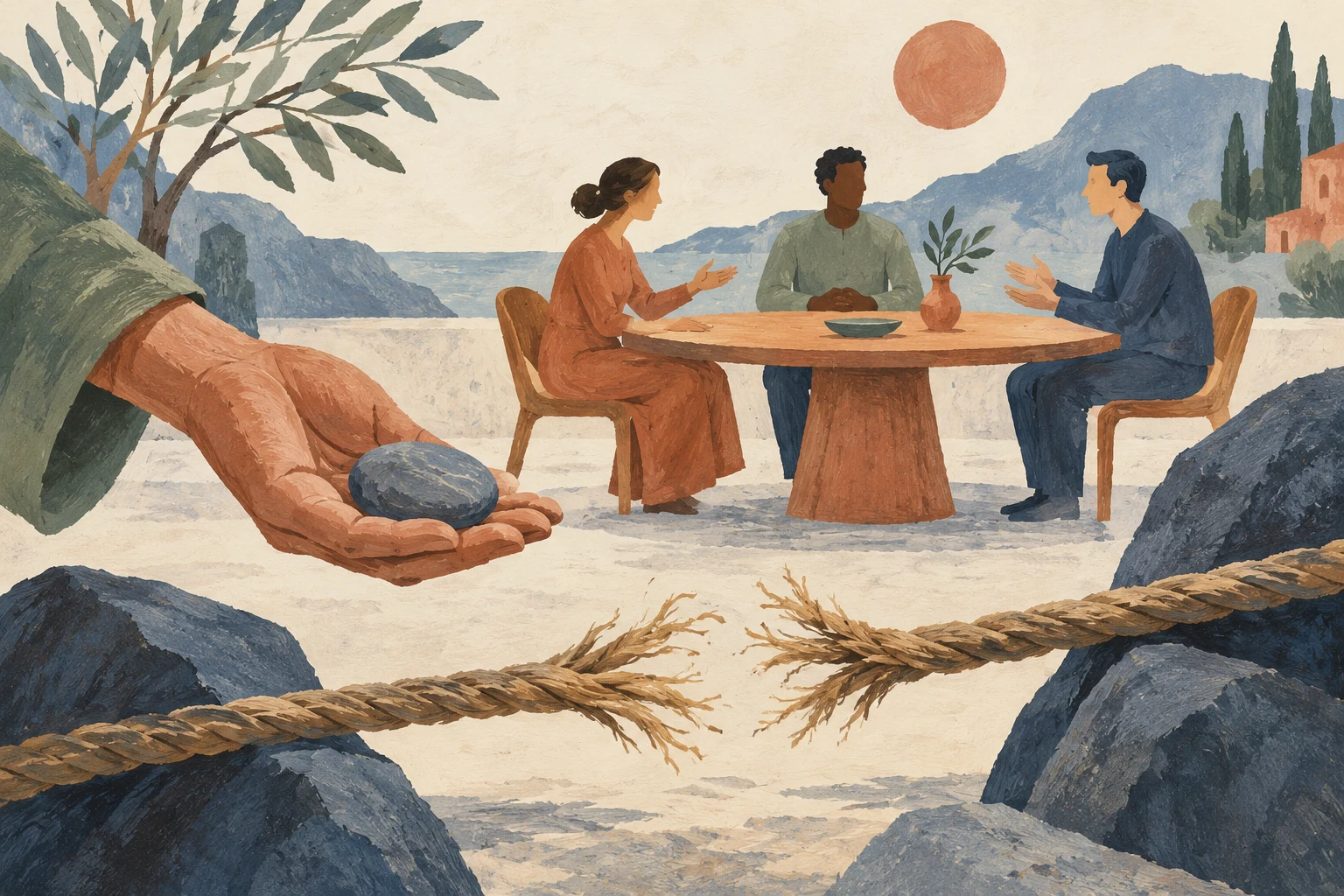
A speaker can concede that a cost is high while refusing to abandon a proposal. A manager can grant extra time. A participant can yield to pressure or transfer a spare place. The verbs overlap around giving, but the constructions make the action precise.
| Frame | Meaning | Example |
|---|---|---|
| concéder que + proposition | Accept a point | Je concède que le coût est élevé. |
| concéder + complément direct | Grant something | Elle concède un délai supplémentaire. |
| céder à + nom | Yield to it | Il cède à la pression. |
| céder + objet + à + destinataire | Transfer the item | Elle cède sa place à un collègue. |
Tap one on the left, then its partner on the right.
A concession has an object
Je concède ce point does not say “I accept everything”. Name the point and the limit: je concède que le coût augmente, mais pas que le service est inutile. This lets the discussion preserve a valid observation while debating what follows from it.
Elle concède la difficulté, mais refuse de céder à la pression de ceux qui veulent abandonner l’essai.
She concedes the difficulty but refuses to give way to pressure from those who want to abandon the trial.
Avoid translating every English “concede” mechanically. Decide whether the act is accepting a proposition, granting an allowance or yielding under pressure. Then choose the French frame that expresses that relation.