A2 · One building across two generations
Des films aux livres
Quand Hugo était enfant, il allait souvent au petit cinéma de son quartier avec son père. Ils achetaient leurs billets au même guichet1, près d’une grande porte rouge. Dans le hall2, une affiche annonçait le film de la semaine. Hugo choisissait toujours une place au milieu de la salle.
Aujourd’hui, Hugo revient dans ce bâtiment avec sa fille Alma. La porte rouge est toujours là, mais il n’y a plus de films au programme. L’ancien cinéma est maintenant une bibliothèque. Hugo montre le guichet à Alma : derrière la vitre, une personne prête des livres au lieu de vendre des billets.
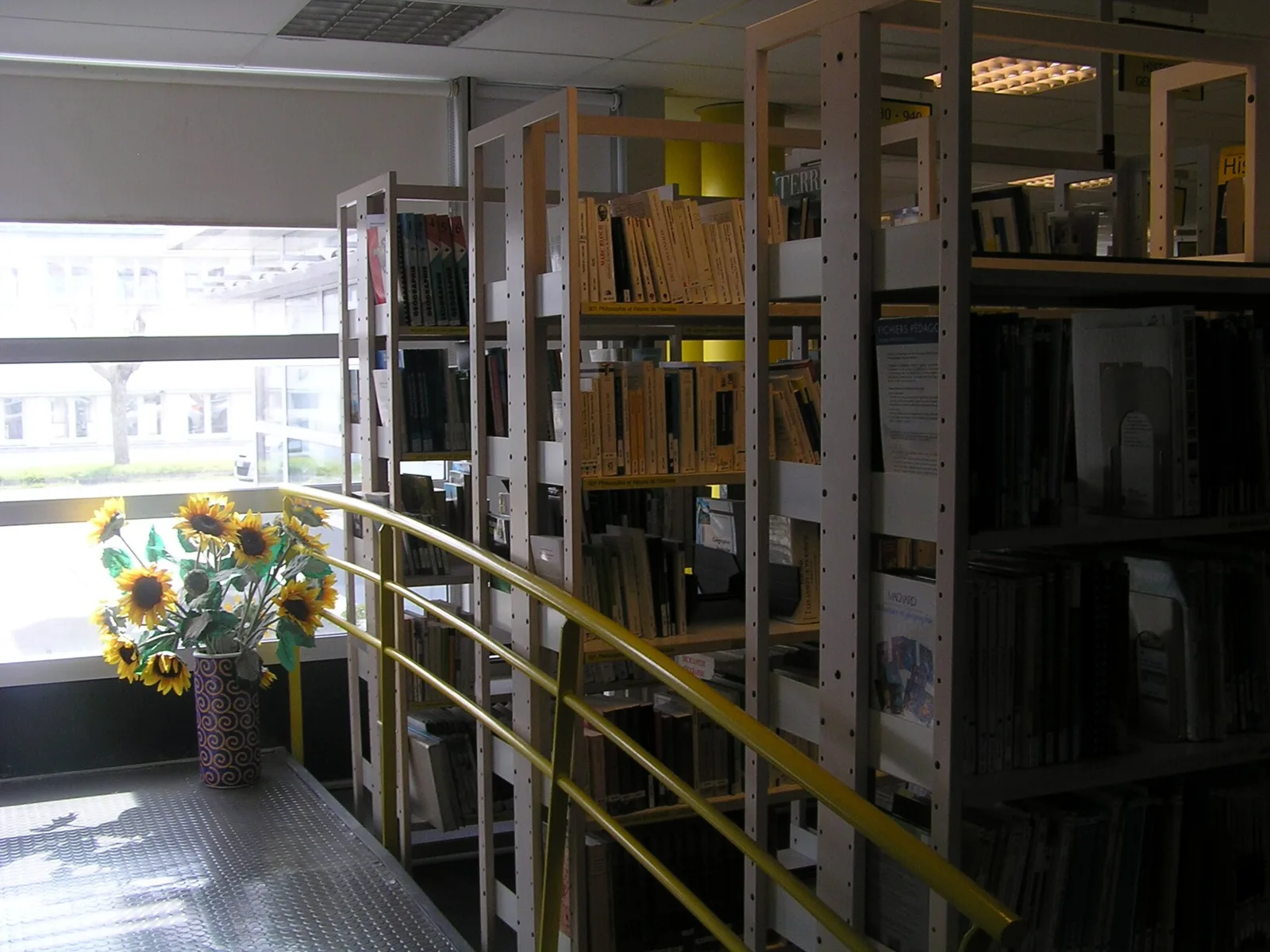
Ils entrent dans l’ancienne salle. Les rangées3 de sièges ont disparu. À leur place, il y a des étagères4 et des tables. Au fond, quelques fauteuils permettent de lire tranquillement. Hugo se rappelle les lumières qui s’éteignaient avant chaque film. Maintenant, la salle reste claire pendant les heures d’ouverture.
Alma choisit une bande dessinée. Hugo prend un roman, puis ils s’installent près de la fenêtre. « Tu préférais le cinéma ? », demande Alma. Hugo réfléchit. Il aimait les séances avec son père, mais il apprécie aussi ce nouveau lieu. Il retrouve une partie de son enfance5, et Alma découvre un endroit pour ses propres habitudes.
Avant de partir, ils empruntent6 les deux livres. Hugo propose de revenir samedi prochain. Alma accepte : elle veut terminer la série de sa bande dessinée.
Read it in English
When Hugo was a child, he often went to the small neighbourhood cinema with his father. They bought their tickets at the same window, near a large red door. In the foyer, a poster announced the week’s film. Hugo always chose a seat in the middle of the auditorium.
Today, Hugo returns to the building with his daughter Alma. The red door is still there, but there are no longer films on the programme. The old cinema is now a library. Hugo shows Alma the window: behind the glass, a person lends books instead of selling tickets.
They enter the old auditorium. The rows of seats have disappeared. In their place are bookshelves and tables. At the back, a few armchairs allow people to read quietly. Hugo remembers the lights going out before each film. Now the room stays bright during opening hours.
Alma chooses a comic book. Hugo takes a novel, then they sit near the window. “Did you prefer the cinema?” Alma asks. Hugo thinks. He liked the screenings with his father, but he also appreciates this new place. He rediscovers part of his childhood, and Alma discovers somewhere for her own habits.
Before leaving, they borrow both books. Hugo suggests coming back next Saturday. Alma accepts: she wants to finish the series her comic belongs to.