Phrasebook

Explain a French budget table to a reader who dislikes numbers

Explain a French budget table in plain language through four scenes: introduce units, compare like quantities, highlight the main change and state a limit.

In short

Start with what the rows measure, then give one useful comparison and one limit. Ces montants sont mensuels establishes the unit of time; la principale variation concerne… focuses attention. Keep the key figures instead of replacing them with vague adjectives.

Yellow the idea to rememberBlue French to learn
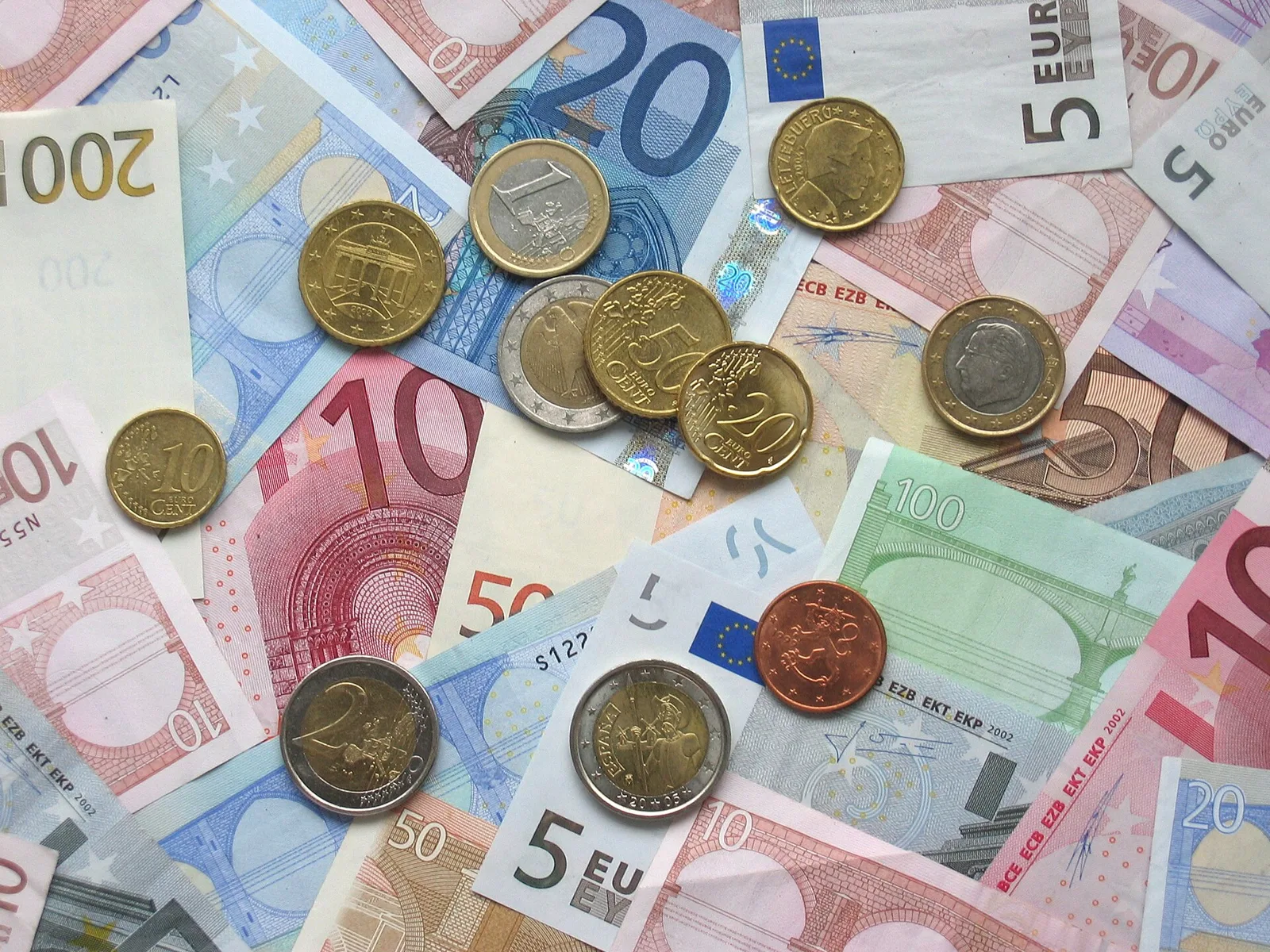
Euro coins scattered over overlapping euro banknotes.
Name the currency and period before explaining a budget. Photo: Avij, public domain · Wikimedia Commons · resized and converted to WebP; banknote designs: ECB

Your listener does not need every cell read aloud. They need a route through the table. The four scenes use a monthly association budget where rent stays at €500 and activity spending goes from €200 to €250. The table does not include income or annual costs.

The monthly expense table discussed below
PosteMois 1Mois 2
Loyer500 €500 €
Activités200 €250 €
1

Introduce the units

ReaderCes chiffres correspondent à quoi ?What do these figures refer to?
YouCe sont des dépenses mensuelles, exprimées en euros.They are monthly expenses, expressed in euros.
YouChaque ligne désigne un poste, et les deux colonnes comparent les deux mois.Each row names an expense category, and the two columns compare the months.
2

Compare like quantities

ReaderPeut-on comparer le loyer avec le total annuel ?Can we compare the rent with the annual total?
YouRestons d’abord sur la même période : un mois pour chaque montant.Let’s first stay with the same period: one month for each amount.
YouLe loyer reste à cinq cents euros dans les deux colonnes.Rent remains at five hundred euros in both columns.
3

Identify the main change

ReaderQu’est-ce qui change surtout ?What mainly changes?
YouLa principale variation concerne les activités : cinquante euros de plus.The main change concerns activities: fifty euros more.
YouLe montant passe de deux cents à deux cent cinquante euros.The amount goes from two hundred to two hundred and fifty euros.
4

State a limit

ReaderDonc le budget est équilibré ?So the budget is balanced?
YouLe tableau ne présente pas les recettes.The table does not show income.
YouIl décrit ces dépenses, mais ne permet pas à lui seul de conclure à l’équilibre.It describes these expenses, but cannot alone establish that the budget balances.

Explain an operation in ordinary words

Cinquante euros de plus is often clearer on first hearing than a percentage. If the relative change matters, add it afterwards: cela représente un quart du montant de départ. An unchanged row is also useful: it lets the listener see that the change is concentrated rather than affecting every item.

Le loyer ne change pas. L’augmentation présentée vient des activités, dont le montant passe de 200 à 250 euros.

Rent does not change. The increase shown comes from activities, whose amount goes from €200 to €250.

Question 1No account needed
What should be established first?

Choose one answer.

Answer and explanation

What the figures measure and their units. The listener needs the quantities and time basis before the comparison is meaningful.

Question 2No account needed
Why can this table not establish balance?

Choose one answer.

Answer and explanation

Income is not supplied. Balance requires income as well as expenditure, but the supplied table shows expenses only.

A plain explanation keeps evidence and limits together. Finish by inviting a specific question: Voulez-vous regarder le poste qui augmente ? That gives the listener a manageable next step instead of demanding that they understand the whole spreadsheet at once.