PhrasebookB2
French phrases for interrupting a discriminatory remark
Interrupt a discriminatory remark in French, set a clear limit, support the person affected and redirect the exchange. Four scenes with 24 translated lines.
236 pages
Tu or vous, toasts and small talk: what fits where, and with whom.
PhrasebookB2
Interrupt a discriminatory remark in French, set a clear limit, support the person affected and redirect the exchange. Four scenes with 24 translated lines.
ArticleB1
Compare neutral manger with familiar bouffer in meal invitations, everyday replies and expressions about time. Try three register choices.
DialogueB2
Plan a museum visit in B2 French: ask about flashing lights, recorded sound, quiet spaces, re-entry and an alternative route, with a translated dialogue.
TimelineB1
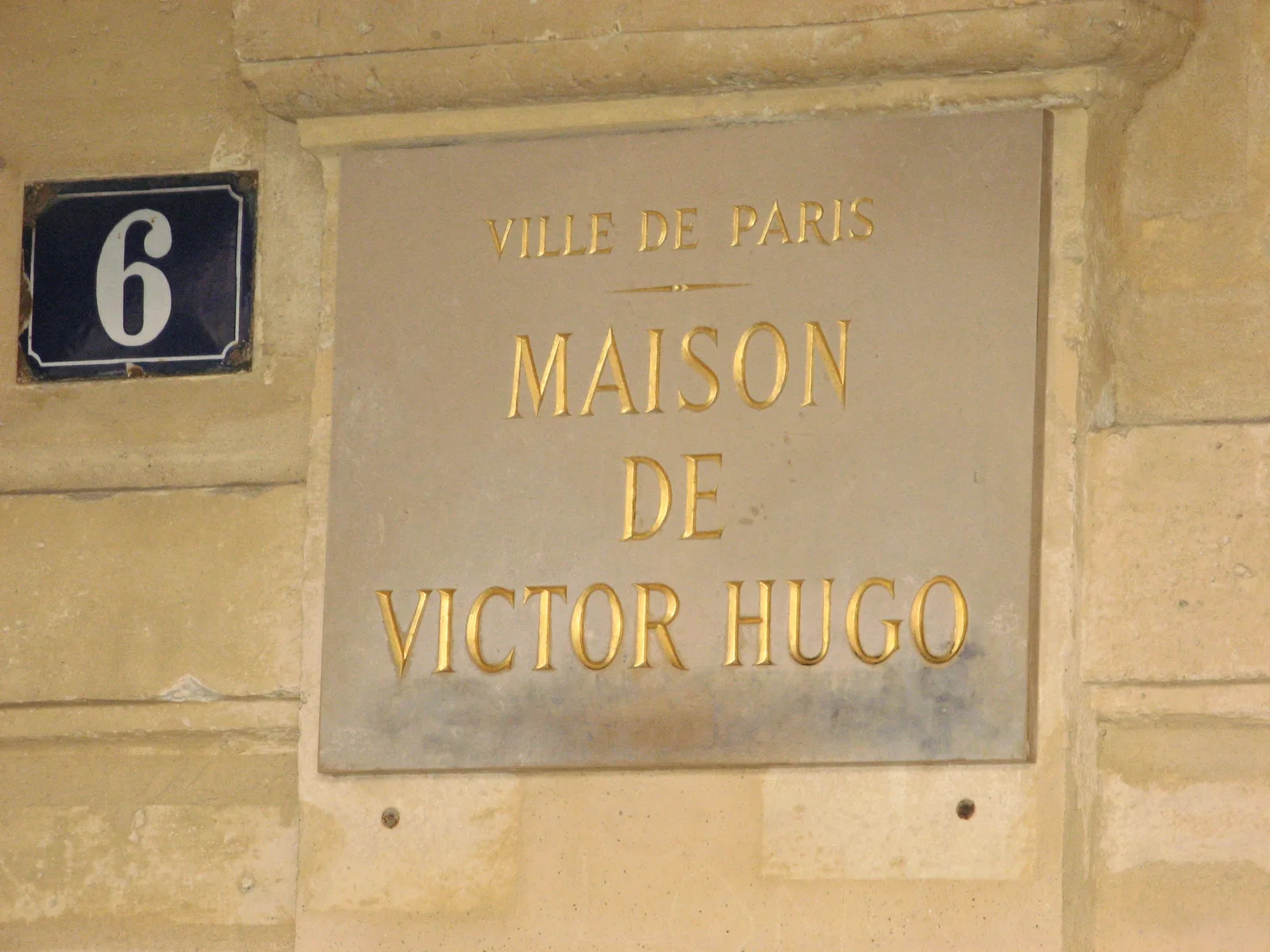
Poet, novelist, politician, exile: Victor Hugo's life from Besançon to the Panthéon, with Notre-Dame de Paris and Les Misérables along the way.
Common mistakesB1
Understand je suis crevé and je crève de fatigue, check feminine and plural forms, and tell an exhausted person from a flat tyre.
QuizC1
Identify background assumptions in twelve French statements, negatives and questions, and distinguish presuppositions from cancellable suggestions.
Gap-fillA2
Learn the familiar word bouquin beside neutral livre, explore four kinds of book in pictures, then complete a short story about sharing a good read.
Text conversationA2
Your friend has just had a baby. Send the right French congratulations, ask the baby's name and weight, and offer to visit at the right time.
Verb drillA2
Swap familiar bosser for neutral travailler without changing the task. Study six present-tense forms, then complete eight work and study sentences.
Practical guideB1
Move beyond c’est génial or c’est nul. Give a clear French opinion with reasons, compare familiar and neutral wording, and practise adjective agreement.
Myth or factC1
Test whether French news conditional depends on a report’s source status rather than good or bad news, using six contextual claims.
ReadingB2
Read a B2 French text and distinguish six senses of demeurer, restituer and résider. Use subjects and complements to choose the right English meaning.
Sorting gameA1
Should you say tu or vous? Sort twelve real situations, from your new colleague to the baker and your friend's grandmother, then read why each one goes where it does.
Real documentA2
A French museum's opening hours and prices: late opening, weekly closing day, reduced and free tickets, last entry and bag rules. Plan your visit.
Vocabulary listA2
Learn six everyday French short forms with full words, gender and examples: resto, ciné, appart, vélo, photo and métro. Practise them in short exchanges.
Picture sceneA2
Appart is the familiar short form of appartement. Explore a flat, compare a friendly message with a neutral description and check the key housing words.
Sentence builderA1
Ask what someone prefers to be called in French. Build short questions that distinguish asking a name from choosing how to address the person.
Odd one outB1
Voiture, véhicule, automobile… bagnole? Find the familiar word hiding among neutral or formal ones in eight rows, and know when you can use it.
PhrasebookB1
Offer help, ask for a hand and thank someone in French. Practise donner un coup de main in a move, a shared document and a polite request.
ArticleB1
Compare kiffer and aimer with everyday preferences, pictured objects and a short attraction scene. Practise choosing a neutral version for a different audience.
DialogueB2
Practise B2 French questions about research recordings, data access, withdrawal deadlines and future use, with a participant–researcher dialogue and English cues.
Word scaleA2
Un peu fatigué, fatigué, crevé, épuisé, mort de fatigue, à bout: a French tiredness scale, with the casual and formal words and how to use them.
Matching gameA2
Aïe means ouch, miam means yum, chut means shh. Match twelve French sound words to their English equivalents, including what French animals say.
Cheat sheetA2
Choose tu or vous for one person or a group, ask to switch to tu, and match verbs and adjectives. Includes a workplace scene and four practice questions.
TimelineA2
December to January in France: Advent, the Christmas markets, the réveillon on the 24th, the bûche de Noël, New Year's Eve and the galette des rois.
Common mistakesB2
Give an object back with rendre or restituer, then separate rendre service, rendre plus clair and restituer une atmosphère through examples and a quiz.
QuizB1
Answer twelve questions using a French concert ticket’s terms: opening times, student and age discounts, children’s tickets, identity checks and re-entry.
Gap-fillB1
Build better French idiom cards with clear cues, whole-phrase gaps and checked pronouns. Try six gaps with donner un coup de main and tenir au courant.
Text conversationB1
Accept or decline a French wedding invitation by message: who's coming, dietary needs and kind words for the couple. Choose the right replies.
Verb drillB1
Turn familiar French nouns into neutral wording. Practise bagnole, bouquin, fric and flic while keeping the same people, objects and details.
Practical guideB1
Read four short French exchanges to recognise agreement, disbelief and surprise. Practise tu m’étonnes, tu parles and mon œil with clear context.
Myth or factA2
Was the Eiffel Tower meant to be temporary? Was the Louvre always a museum? Is there a Statue of Liberty in Paris? Judge eight claims about Paris.
ReadingB1
Read a B1 station meet-up using se pointer and arriver. Follow who arrives on time, who is late, and how arriver à faire changes the meaning.