236 pages
Culture & register
Tu or vous, toasts and small talk: what fits where, and with whom.
DialogueA2
Pote or ami: introduce a friend in casual and neutral French
Practise introducing a friend with pote, ami and amie in a complete dialogue. Check feminine spelling, mon amie and how to say that a friend is close.
PhrasebookA1
Au revoir or à bientôt: choosing a French goodbye
Choose au revoir, à bientôt, à demain or à tout à l’heure. Practise short farewells for an open ending, a planned return and a call that is finishing.
ArticleB2
Omettre or oublier: leave out a detail or forget it?
Compare omettre and oublier with a missing attachment, a shortened report and a forgotten name. Practise de + infinitive and the forms omis and oublié.
DialogueA2
Ciné or cinéma? Plan a cinema trip in French
Use au ciné in a friendly invitation and au cinéma in a neutral one. Practise a full conversation and explore six things in a cinema foyer.
PhrasebookB1
Set personal boundaries in French: private topics and a clear no
Decline intrusive questions in French, keep a topic private and respond to repeated pressure. Four scenes with tu and vous, firm wording and practice.
ArticleB1
À votre avis or selon vous: asking for an opinion in French
Ask for an opinion with à votre avis or selon vous, switch between tu and vous, and report someone’s view with selon. Examples and a short quiz.
DialogueB2
French science interview dialogue: explain an uncertain result
Practise a B2 science interview about a small score difference, sample size and test order. Clarify a result and its limits in French, with English cues.
PhrasebookB1
Bien reçu, entendu, d’accord: French replies that say what you mean
Choose a French reply for receiving a message, understanding a request or agreeing to a plan. Practise short exchanges and clear follow-up questions.
ArticleB1
Jadis or autrefois: two ways to say “in the past” in French
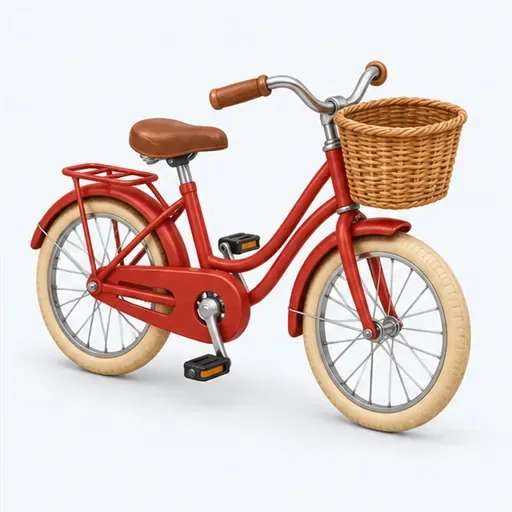
Compare autrefois with the more literary jadis. Read a family memory, learn four pictured childhood objects and choose the right past-time expression.
DialogueA2
Félicitations or bravo: congratulate someone in French
Say congratulations and well done in French through a conversation about a new job, a presentation and a team success. Practise your replies.
PhrasebookA1
Ça va or comment allez-vous? Ask and answer “How are you?” in French
Practise French wellbeing questions and replies with friends, polite vous and groups. Learn ça va, comment vas-tu, comment allez-vous and et vous.
ArticleB2
Résider or habiter: saying where you live, and where the problem lies
Compare résider and habiter in home descriptions. See useful place prepositions, temporary stays and le problème réside dans, with a short quiz.
DialogueB1
What does bof mean in French? Practise a lukewarm reply
Read bof in a conversation about a film, then compare a mixed review, reluctant acceptance and a clearer refusal. Dialogue practice and four questions.
PhrasebookB1
Ask a French book group for clarification without stopping the discussion
Use four French book-group exchanges to clarify a pronoun, a motive, a connotation and an earlier reference while keeping the discussion moving.
ArticleB1
Histoire de + infinitive: a casual way to say "just to"
Histoire de rire, histoire de changer: a relaxed spoken way to give a purpose in French. Compare it with pour, afin de and juste pour, and know when to use it.
PhrasebookA1
Whose turn is it? French phrases for queues and waiting
Ask who is last in the queue, keep your place, let someone go first and politely point out a queue-jumper. Real French phrases from shops, markets and doctors' waiting rooms.
ArticleA2
Boulot or travail: a job, work to do and the plural travaux
Understand au boulot, du boulot and un boulot. Compare neutral travail, see why travaux often means building work, and try four short questions.
PhrasebookB1
Jeter un coup d’œil: ask someone to take a quick look in French
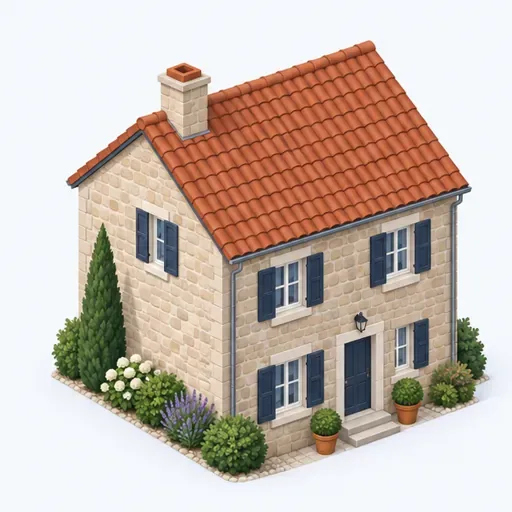
Ask for a quick look with jeter un coup d’œil à. Practise friendly and polite requests, learn four pictured targets and check à, au, aux and à l’.
ArticleB1
Justement or exactement: “exactly” is only part of the story
Compare exact details with timely replies: exactement for a precise match, justement for a relevant point. Try two scenes and four questions.
PhrasebookA1
S’il vous plaît or s’il te plaît: which French please should you use?
Choose the right French please for one friend, a stranger or a group. Practise short requests, spelling and the te in s’il te plaît.