Conjugation tableB1
Falloir conjugation: il faut, il fallait, il faudra and il faille
Learn the impersonal forms of falloir across six tenses and moods. Compare il faut partir with il faut que tu partes, then test faut, fallu and faille.
311 pages
Conjugation tables, drills and explanations for every tense you need.
Conjugation tableB1
Learn the impersonal forms of falloir across six tenses and moods. Compare il faut partir with il faut que tu partes, then test faut, fallu and faille.
ArticleB1
Cheat sheetA2
Practical guideB1
Verb drillA1
Practise all six present forms of avoir, then use age, hunger, thirst and fear expressions and choose between j’ai and je suis in context.
Gap-fillA2
Fill ten gaps in a short French story with the passé composé, including être verbs and irregular participles, with an English translation.
QuizB2
Ten contextual questions on savoir, pouvoir, vouloir and devoir: knowledge, discovery, opportunity, success, refusal, obligation and deduction.
DialogueA2
Ask about an evening out with three past-tense question patterns. Practise your lines, then check auxiliaries, question words and linking -t-.
Common mistakesA2
Use je voudrais at a café, keep the final s, and follow it with a noun or infinitive. Compare je veux, order from picture cards and try four questions.
ReadingB2
Read serait, aurait lieu and aurait demandé in a short French report. Compare unconfirmed information with a later announcement and answer four questions.
Sentence builderB1
Il m'a dit qu'il viendrait, elle m'a demandé si j'avais faim: tap the tiles to report what people said, with que, si, ce que and the tense shift.
PhrasebookA1
Use A1 phrases for getting up, travelling, lunch and evenings. Four picture prompts, a short model and quick questions help you write a connected routine.
Spot the mistakeB1
Quand j'ai été petit? Le téléphone sonnait soudain? Tap the verb in the wrong past tense in eight sentences and learn background versus event.
Sorting gameA2
Soudain, hier, une fois → passé composé; souvent, tous les jours, autrefois → imparfait. Sort sixteen time expressions by the past tense they usually trigger.
Exam practiceB1
Imagine one free afternoon, then build connected results with si + imparfait and the conditional. Includes a B1 writing task, model and four checks.
Graded storyC1
Read a meeting scene with four past tenses. Map the previous day, overlapping background and the return to the main sequence, then test the timeline.
Odd one outA2
Aller, venir, partir… manger? In each row, three verbs take être in the passé composé and one takes avoir. Find the intruder.
Picture sceneA2
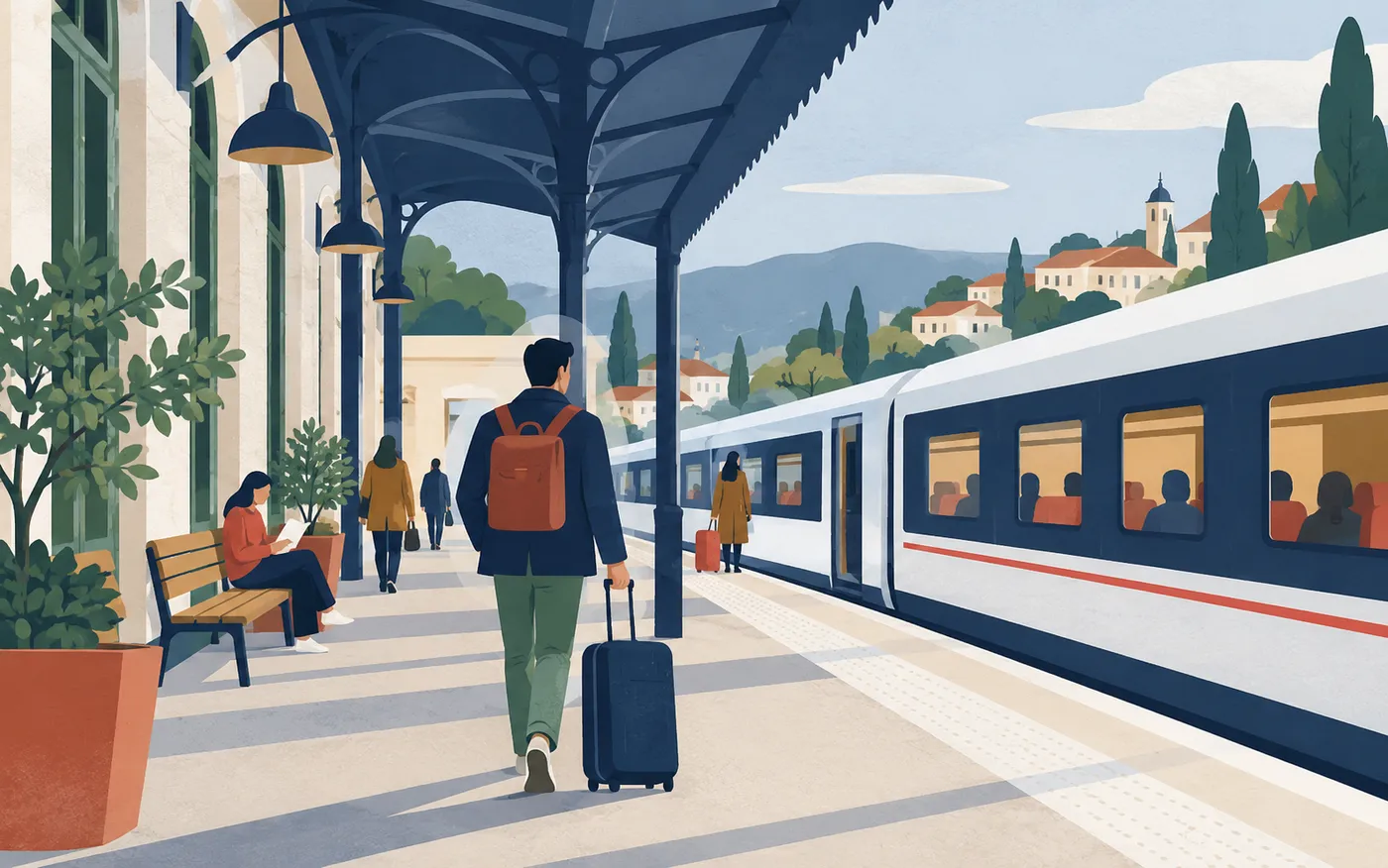
Explore a station square and describe what was there, what the weather was like and how people felt, using the French imparfait.
Conjugation tableA2
See both accepted present families of s’asseoir, plus assis, asseyais and assiérai. Practise reflexive forms, agreement and polite commands.
Verb drillA2
Build the French simple future from the infinitive and six endings. Practise parler, finir, vendre and prendre in an 18-answer drill with corrections.
Gap-fillA2
Two colleagues get stuck in a lift. Fill passé composé verbs (with avoir and être) and time markers in this short French story, then check.
ArticleB1
Compare je voulais and j’ai voulu through a missed conversation, a decision not to answer and a long-held wish. Includes four questions.
Cheat sheetB2
Read and form ayant terminé, étant arrivées and s’étant levée. Compare earlier actions with states, then check auxiliary choice and agreement.
Practical guideB1
Proofread French subjunctive clauses with worked examples of wishes, reactions and completed actions, then test four choices in a short quiz.
QuizB1
Practise French reported statements, indirect questions and requests in eleven questions. Track pronouns, past viewpoint and time words with explained answers.
DialogueA2
Use être en train de with an infinitive to explain an action in progress. Practise a kitchen conversation, compare the simple present and check the forms.
Common mistakesB1
Compare past obligations, planned meetings and “must have” in French. Four devoir contrasts, a short exchange and a quiz make the meanings concrete.
ReadingB2
Read La lettre retrouvée with glosses and a translation. Follow passé simple events, imparfait background and earlier actions, then answer four questions.
Sentence builderB1
Si j'ai le temps, je viendrai. Si j'avais de l'argent, je voyagerais. Tap the tiles to build real and imaginary conditions with the right tenses.
PhrasebookA2
Choose peux or pourrais in four everyday exchanges: stating ability, asking permission, requesting help and suggesting a plan, with a quick quiz.
Spot the mistakeB1
Il faut que tu viens? Bien qu'il fait froid? Tap the verb in the wrong mood in eight sentences, including one where the subjunctive is the mistake.
Sorting gameA2
Nous finissons but nous partons: sort sixteen -ir verbs into the finir group (-iss-) and the partir group, then conjugate them correctly.
Exam practiceA2
Build an A2 childhood memory around one place and routine. Read a short model, use four picture prompts and add a single event if it helps your story.
Conjugation tableA1
Learn je porte, j’ai porté and je porterai, with seven tense and mood tables, wear/carry examples, common mistakes and form-recall practice.
Verb drillB2
Practise je pense qu’il est and je ne pense pas qu’il soit. Ten gaps target affirmative opinions, doubt, questions and an earlier action.
Gap-fillA2
Complete a French arrival message with venir de, être en train de and a planned next step. Compare ongoing and completed actions, with travel picture cards.