236 pages
Culture & register
Tu or vous, toasts and small talk: what fits where, and with whom.
Cheat sheetB1
Environ or à peu près? A French approximation cheat sheet
Give approximate amounts with environ and à peu près, place them around numbers, and use à peu près for rough similarity. Examples, pictures and quiz.
TimelineB1
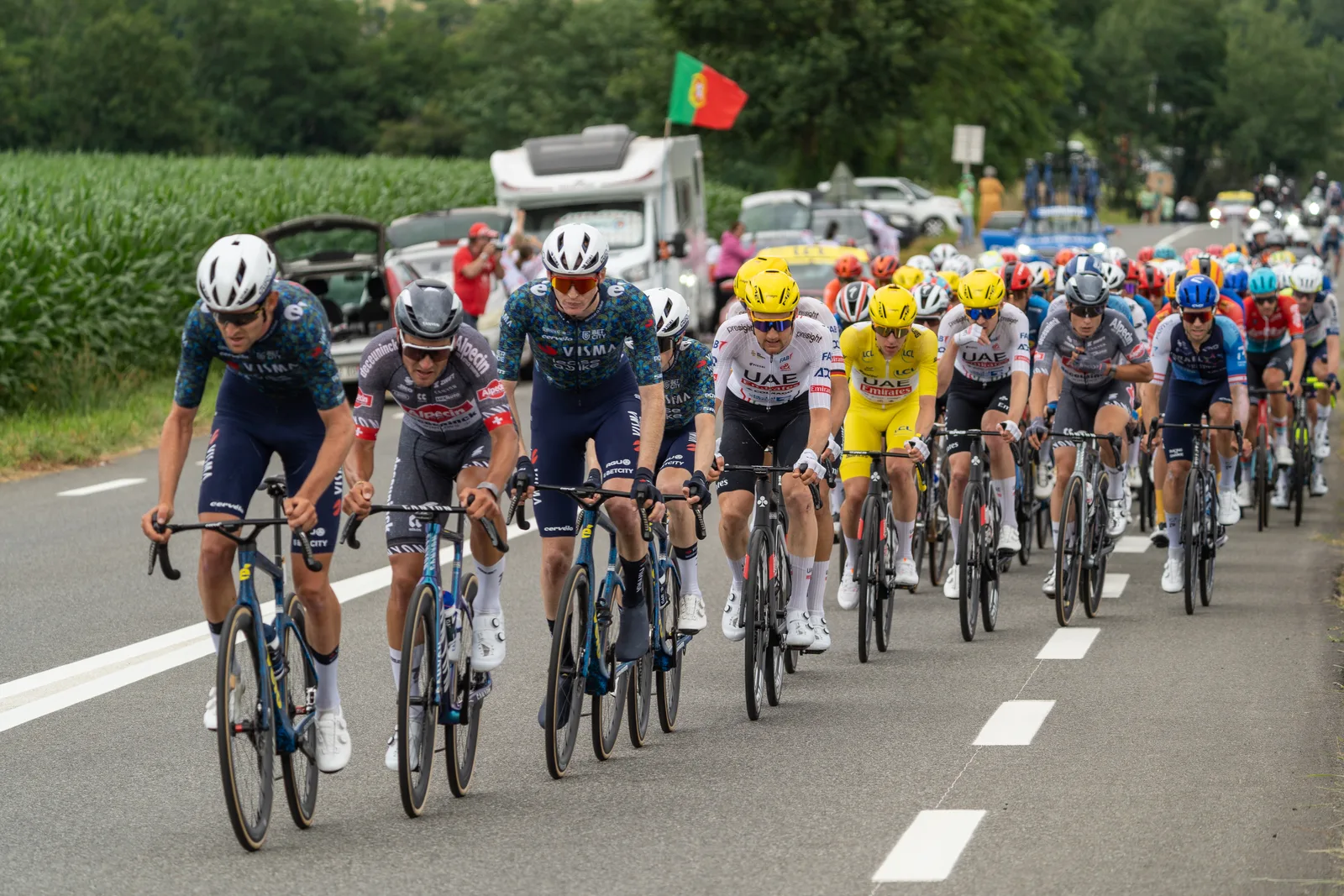
The Tour de France: a history in eight moments
From the first race in 1903 to the yellow jersey, the polka dots and the Champs-Élysées finish: the Tour de France as a timeline with cycling vocabulary.
Common mistakesA2
Je vous écoute or je vous entends: listening, hearing and replying
Use je vous écoute to invite someone to speak and je vous entends to confirm sound. Compare three common mix-ups and practise a short French phone call.
PhrasebookB1
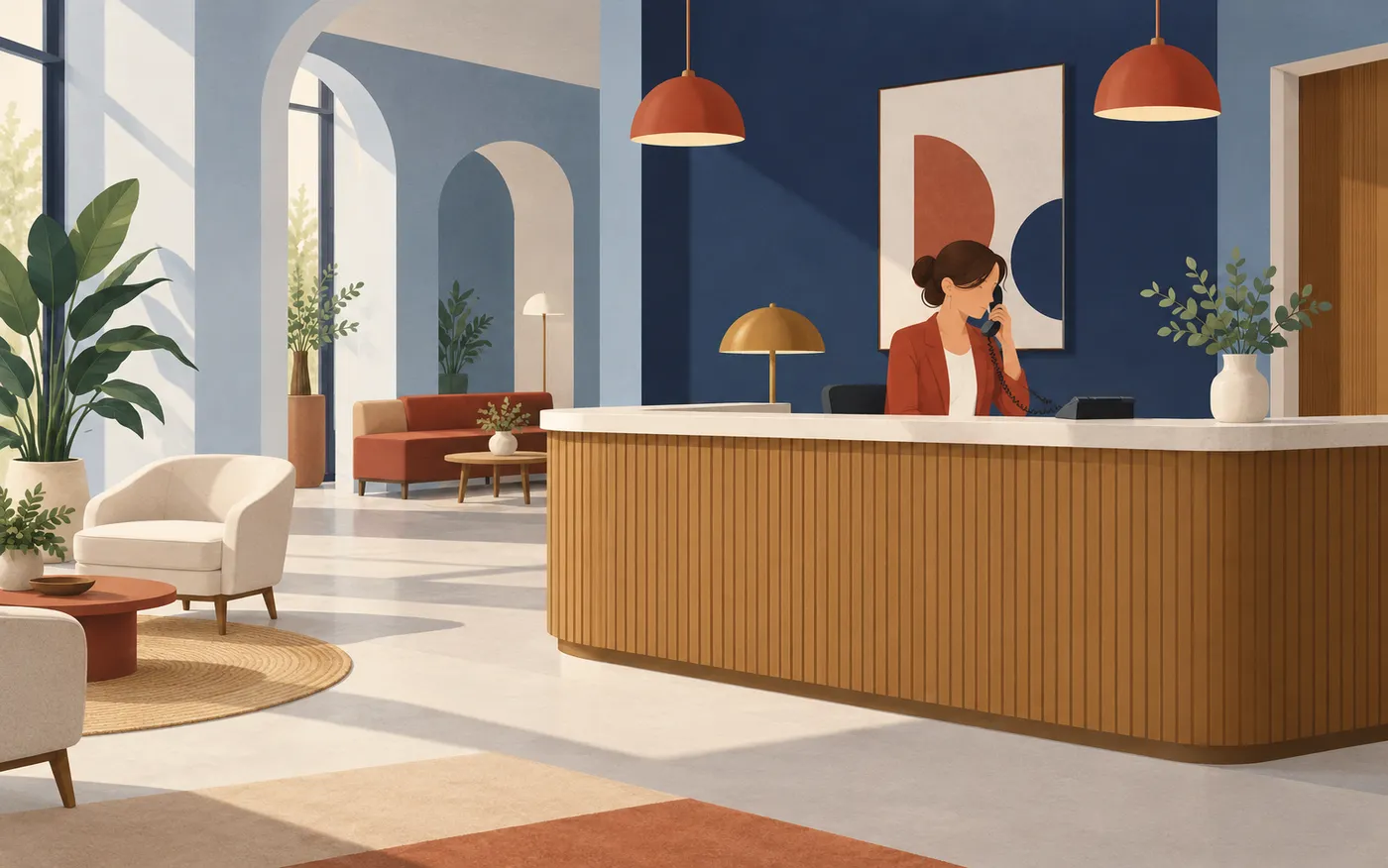
French phrases for phone calls at work: introductions, transfers and messages
Handle professional calls in French with 26 lines across four scenes: introduce yourself, transfer a caller, leave a message and confirm details.
ArticleB2
Ultérieur or plus tard: later dates, actions and formal French
Use ultérieur with a noun, plus tard with an action and ultérieurement in careful writing. Compare agreement, later reference points and English ulterior.
DialogueB1
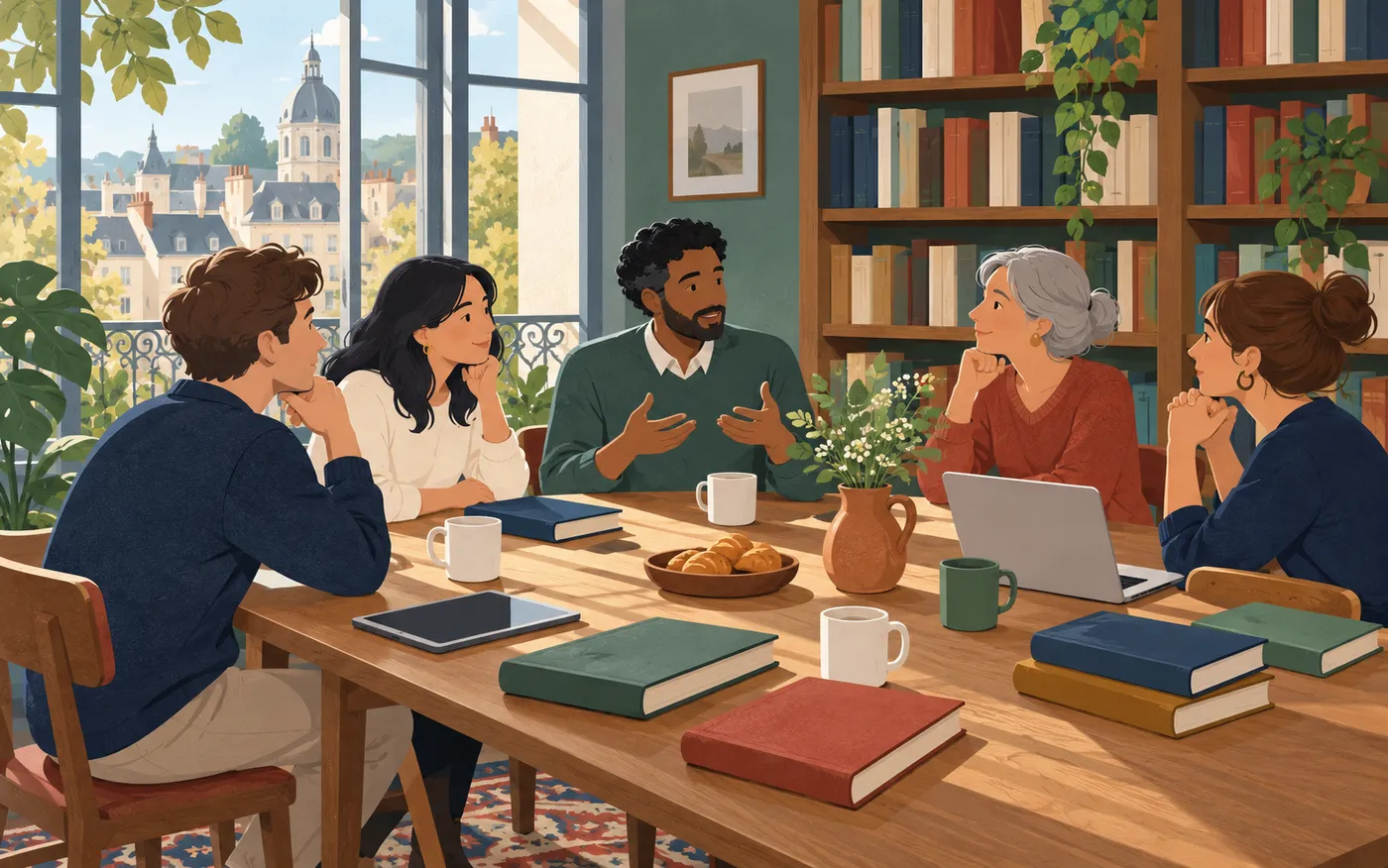
Papoter or discuter: from a friendly chat to a focused discussion
Follow two friends as a relaxed chat becomes a discussion about their project. Practise papoter avec, discuter de and the difference from an argument.
Word scaleA2
Saying sorry in French: from pardon to je vous prie de m'excuser
Pardon, excuse-moi, désolé, je suis vraiment navré, je vous prie de m'excuser: a scale of French apologies from a bump in the street to a formal letter.
Matching gameB1
French idioms with animals: match them to their meaning
Avoir un chat dans la gorge, poser un lapin, être une poule mouillée: match ten French animal idioms to their English meanings, then see them in context.
Cheat sheetB2
French formal letter endings: reconnaissant, reconnaissante or gré?
Choose reconnaissant or reconnaissante for the writer, use savoir gré correctly, and complete formal French closings for different recipients.
TimelineA2
The story of the Eiffel Tower in eight dates
From a controversial project for the 1889 World's Fair to France's most visited monument: the Eiffel Tower's history as a simple French timeline.
Common mistakesB1
Mec or homme: “guy”, “man” and “my boyfriend” in French
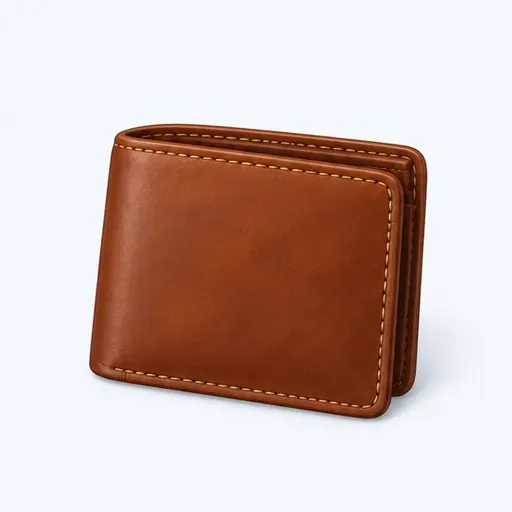
Choose between familiar mec and neutral homme. Follow a lost-wallet scene, recognise mon mec as a partner phrase and practise cet homme versus ce mec.
PhrasebookB1
French phrases for challenging a stereotype
Challenge a sweeping generalisation in French, ask for a concrete example and suggest more precise wording. Four scenes, 24 translated lines and a quiz.
ArticleB1
Finalement or enfin: in the end, at last or one last point?
Use finalement for an outcome and enfin for at last, a final step or a correction. Compare four clear French scenes and check your understanding.
DialogueB2
Ask a French researcher what a study did not measure
Practise a sixteen-line French exchange asking what a study did not measure. Clarify participants, task, outcome and practical limits.
Word scaleB1
How happy are you? French from content to aux anges
Content, heureux, ravi, enchanté, fou de joie, aux anges, au septième ciel: a French happiness scale with the right word for every level of joy.
Matching gameC1
An apostrophe in a French speech is not just a punctuation mark
Recognise rhetorical apostrophe in French: a speaker turns towards an absent person, object or idea. Distinguish the device from punctuation and ordinary address.
Cheat sheetA2
French titles and abbreviations: M., Mme, Dr and forms of address
How to write and say French titles: M. (Monsieur), Mme (Madame), Mlle, Dr, Me (Maître), Pr. Plus how to address people in emails, letters and speech.
PhrasebookA2
Merci quand même: how to say “thanks anyway” in French
Thank someone even when they cannot help: merci quand même. Practise four short exchanges, add a reason for your thanks and choose a natural reply.
ArticleB1
Nickel or impeccable: spotless rooms and perfect arrangements
Learn familiar nickel and impeccable for clean objects and arrangements that suit you. Compare agreement, try picture cards and answer three questions.
DialogueA2
Après vous or allez-y: after you and go ahead in French
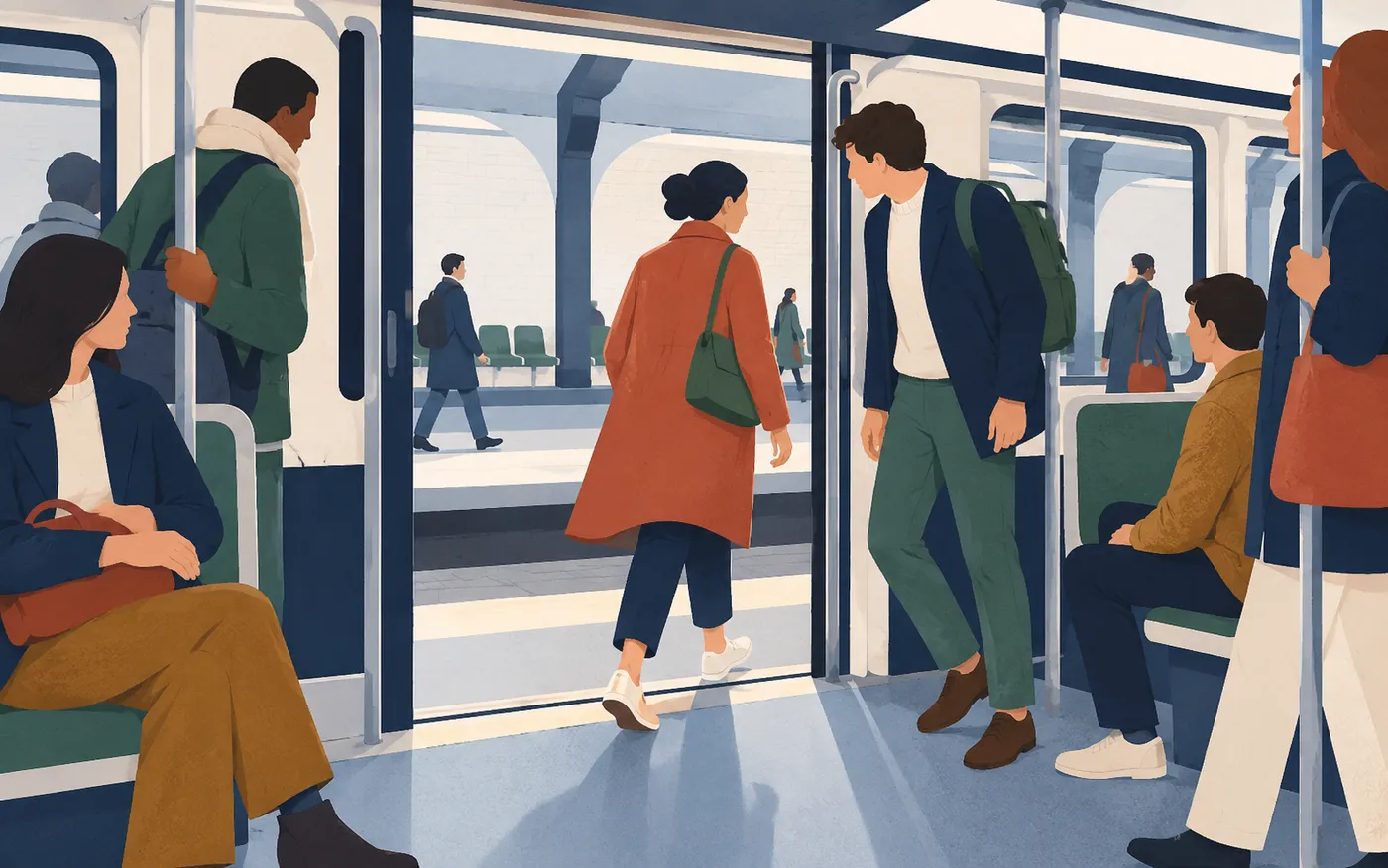
Let someone go first with après vous, or invite them to act with allez-y. Practise a doorway exchange, a speaking turn and the familiar tu forms.
Word scaleA2
How scared are you? French from inquiet to terrifié
From a little worried to frozen with terror: climb seven French words for fear, with the idioms people really use like avoir la trouille.
Matching gameC2
À l'aune de: name the standard behind a French assessment
Match French assessments to explicit standards with à l’aune de, distinguishing a benchmark from the evidence considered with au regard de.
PhrasebookB1
Se prendre la tête: overthinking, arguing and getting on your nerves
Learn se prendre la tête for overthinking or arguing, then compare tu me prends la tête. Practise three short exchanges and check the past form pris.
ArticleB2
Demeurer or rester: remain, stay and live in French
Compare demeurer and rester in an unresolved question, a temporary stay and an address. See useful patterns, home vocabulary and three quiz questions.
DialogueB1
Ça m’est égal or peu importe: say either option suits you in French
Practise a French planning dialogue: say you have no preference, keep a time limit clear and use peu importe to set one detail aside.
PhrasebookA1
Bon appétit: what it means and how to reply
Say bon appétit before a meal, answer merci or à toi aussi, and distinguish a meal wish from hunger or praise. Breakfast picture cards and a short quiz.
ArticleA2
Bon courage or bonne chance? Encourage effort or wish someone luck
Choose bon courage for effort and bonne chance for a hoped-for result. Compare an exam week, useful pour phrases and four questions with feedback.
DialogueB2
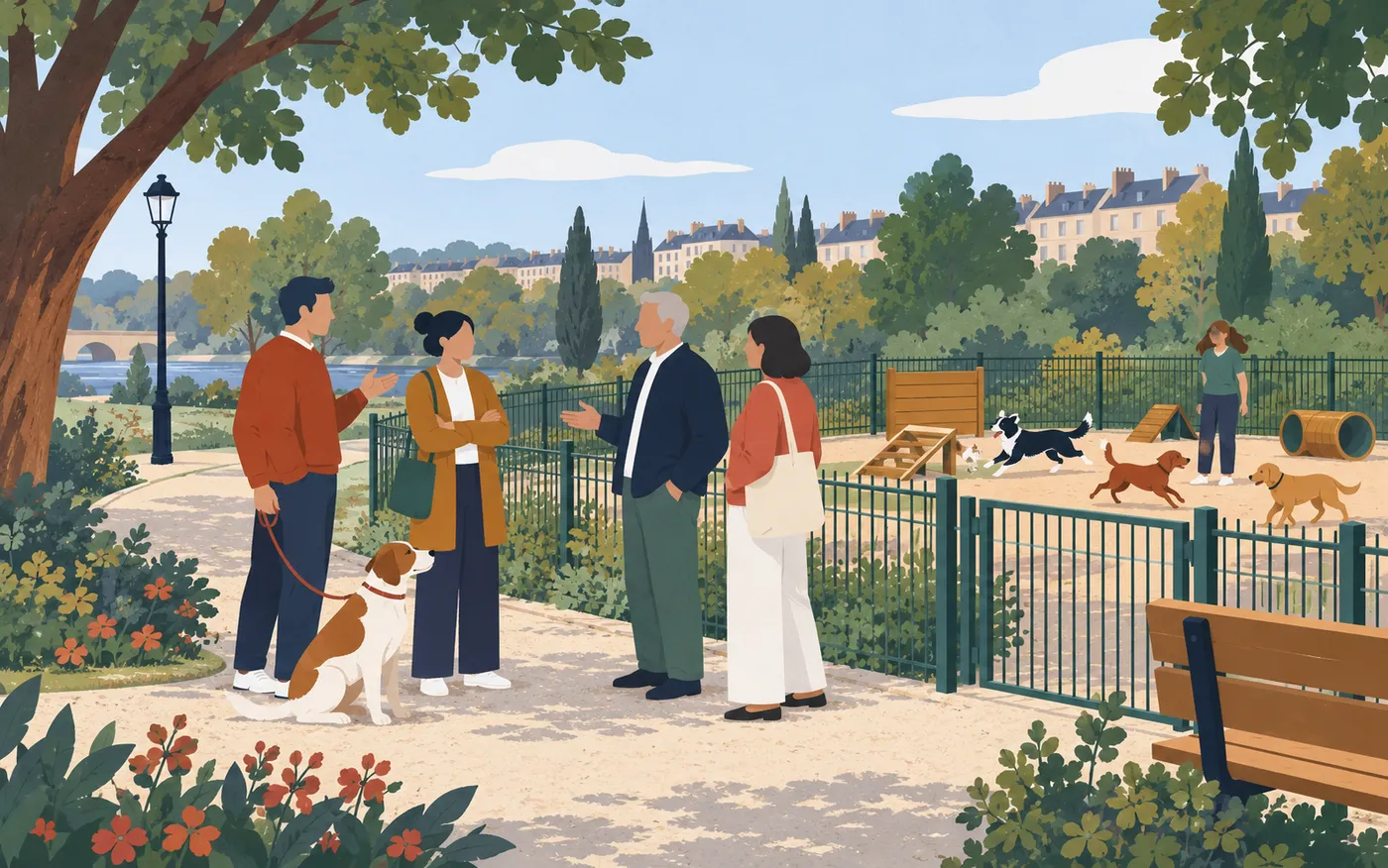
French public debate dialogue: should dogs be allowed off lead?
Read a B2 park consultation with dog owners, parents and walkers. Practise acknowledging concerns and defending a limited off-lead proposal in French.
PhrasebookB2
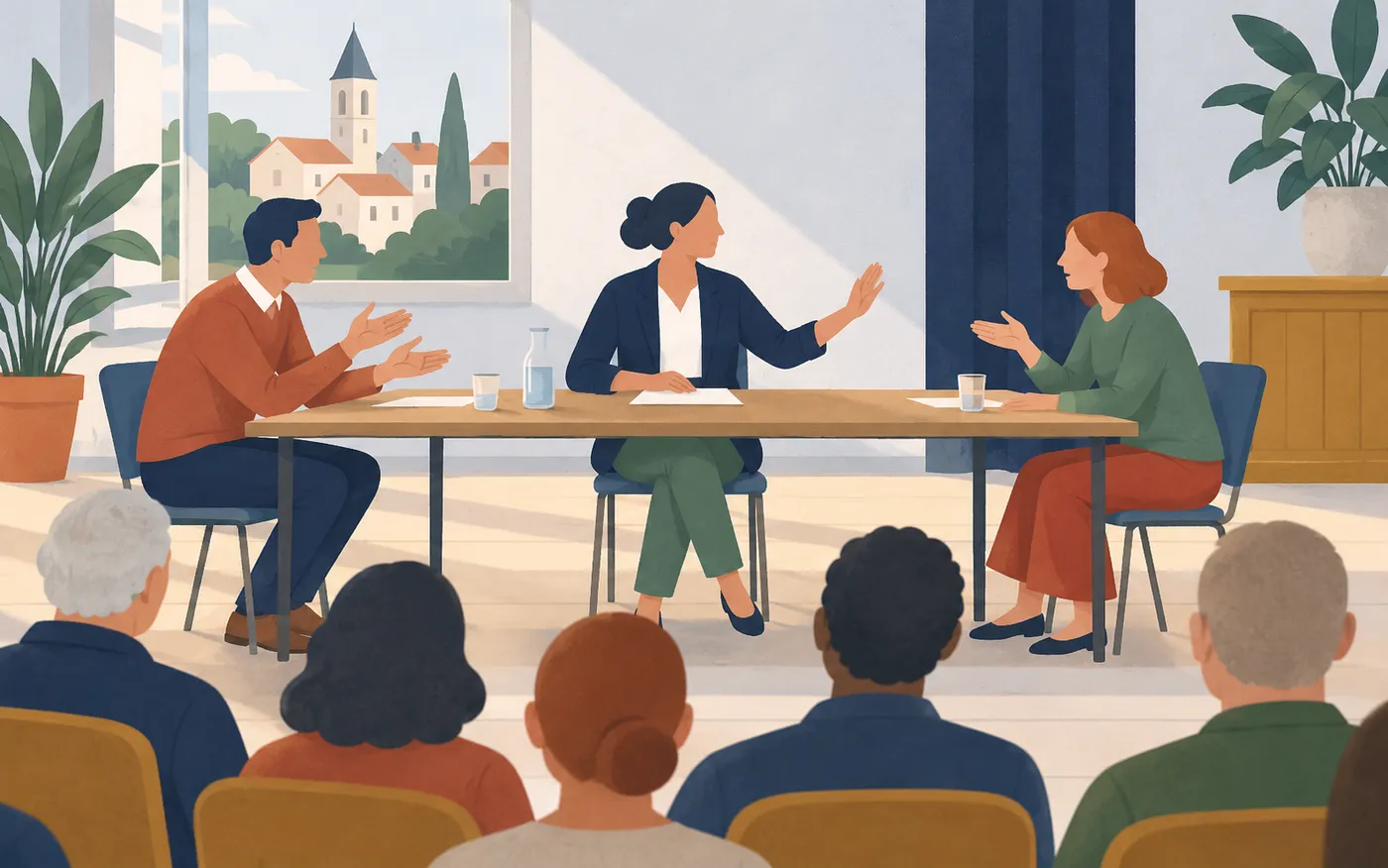
French phrases for moderating a heated discussion
Restore turn-taking in French, summarise opposing positions and stop personal attacks. Four scenes, 24 translated lines and a quiz for meeting moderators.
ArticleA2
Merci or je vous remercie: how to thank someone in French
Use merci for everyday thanks and je vous remercie for a fuller thank-you. Practise tu/vous, merci de and thanking someone for a completed action.
DialogueA2
Resto or restaurant: invite a friend, then book a table
Practise resto in a friendly invitation and restaurant in a booking call. Explore the restaurant vocabulary and check gender, plurals and tone.
PhrasebookB1
French condolence phrases: what to say and how to offer help
Express condolences in French with a friend or colleague, write a short sympathy message and offer specific help with room for the person to decline.
ArticleA2
À votre santé or à la vôtre? How to toast in French
Say cheers in French: à votre santé, à la vôtre, santé and tchin-tchin, how to answer a toast, and when to use the tu or vous form.
DialogueA1
Bonjour or bonne journée: start and end a daytime conversation
Follow a short French conversation from bonjour to bonne journée. Practise your lines, return the wish and check the spelling with three questions.
PhrasebookB1
Râler or se plaindre: from grumbling to a clear complaint
Hear the difference between râler and se plaindre, then practise hotel complaints with the right prepositions, useful requests and short exchanges.
ArticleB1
How to ask for help politely in French
Keep the request the same while changing how you address a friend, a stranger or a colleague.