236 pages
Culture & register
Tu or vous, toasts and small talk: what fits where, and with whom.
Cheat sheetB2
French rules: obligatoire, facultatif, autorisé or recommandé?
Read French institutional rules by force: required, optional, permitted or recommended. Compare constructions and classify short notices.
TimelineA2
The French school year: from la rentrée to the grandes vacances
La rentrée in September, the Toussaint break, Christmas, winter and spring holidays, then the long summer: the French school calendar as a timeline.
Common mistakesC1
Sanctionner in French: punish, approve or formally recognise?
Use the object and institutional context to interpret sanctionner: punishment, formal assent or recognition. Compare six extracts and repair misleading readings.
QuizC2
À l'insu de son plein gré: understand a French satirical contradiction
Interpret à l’insu de son plein gré as a deliberate French comic collision. Distinguish unawareness from willingness in eight complete contexts.
Gap-fillB2
S’avérer or se révéler: practise how something turns out
Compare s’avérer utile, se révéler difficile and révéler une erreur. Complete a short report with eight gaps and check accents and past agreement.
Text conversationA2
Apologising for forgetting a friend's birthday, by text in French
You forgot your friend's birthday. Send a French apology that sounds sincere, wish them happy birthday late and propose to make up for it.
Verb drillB1
Galérer or avoir des difficultés: practise saying “I’m struggling”
Form galérer in the present and turn casual complaints into neutral French. Practise galérer pour and avoir des difficultés à with a short drill.
Practical guideA2
French wishes in context: bon courage, bonne chance and the reply
Choose a French wish for effort, luck, a meal or recovery. Practise short exchanges, match tu and vous, and decide when to say “you too”.
Myth or factA2
Myth or fact: French food and its origins
Is the croissant French? Is the baguette protected by UNESCO? Do the French eat cheese before dessert? Judge eight claims about French food.
PhrasebookB1
Polite French phrases: requests, thanks and encouragement
Choose French courtesy phrases for the action you mean. Compare tu and vous requests, merci and je vous remercie, bon courage and bonne chance.
ArticleC1
Litote or euphémisme? Understatement and softening in French
Ce n'est pas mauvais (it's very good) is a litote; il nous a quittés (he died) is a euphemism. Learn the difference between these two French figures of speech.
DialogueA2
Entendu or bien reçu? Practise short French message replies
Use bien reçu for a message that arrived and entendu for an instruction or plan. Practise a twelve-line exchange and distinguish receipt from completion.
Word scaleB1
How sure are you? French from peut-être to certainement
A scale of certainty in French, from peut-être and probablement to sûrement and certainement, with the catch that sûrement often means probably.
Matching gameB1
French proverbs and their English equivalents: match them up
Petit à petit, l'oiseau fait son nid; qui vivra verra; mieux vaut tard que jamais: match ten French proverbs to the English sayings that mean the same.
Cheat sheetB1
Très, trop, vraiment, vachement: a French intensifier cheat sheet
Choose French intensifiers by grammar and meaning: très clair, aide beaucoup, trop long and vraiment. Compare familiar emphasis with neutral phrasing.
TimelineA2
The Channel Tunnel: from Napoleon's era to Eurostar
A tunnel under the sea was first proposed in 1802. Follow the Channel Tunnel's story in eight dates, from early plans to the 1994 opening and Eurostar.
Common mistakesB1
J’en ai marre or je suis fatigué: fed up, tired or both?
Tell frustration from tiredness in French. Compare j’en ai marre, fatigué and fatigant, then practise de, du and adjective agreement in short situations.
QuizB1
Se barrer or partir: eight questions on leaving in French
Practise se barrer and partir with eight questions on tone, reflexive pronouns and past forms. Compare a friendly departure with a neutral work farewell.
Gap-fillB1
Désormais or dorénavant: practise “from now on” in French
Follow a team’s new routine with désormais and dorénavant. Compare a changed situation with future habits, then complete six gaps with feedback.
Text conversationB2
Ask a French organiser for the evidence behind an eco-friendly claim
Ask a French organiser which metric and comparison support an eco-friendly claim. Practise neutral messages requesting scope, period and evidence.
Verb drillB1
Tenir au courant: keep someone posted, with a short French drill
Say je te tiens au courant, ask for an update and practise tenir in useful sentences. Compare tenir, mettre and être au courant with clear examples.
Practical guideB1
Brief French replies: what bof, ouais and tant mieux mean in context
Read short French replies through complete exchanges. Compare bof, ouais and tant mieux, spot conditions and practise asking for the missing detail.
PhrasebookA2
De rien or je vous en prie? Five ways to reply to thanks
Say you’re welcome with de rien, je vous en prie, je t’en prie and avec plaisir. Practise short exchanges and recognise “please do” in context.
ArticleB1
Prochainement or bientôt: announcements, plans and “see you soon”
Compare prochainement and bientôt in announcements, friendly plans and past stories. Practise choosing the tone and separating soon from almost.
DialogueA1
Bonjour, salut or coucou: practise French greetings
Practise three French greetings in short conversations: bonjour at reception, salut with a friend and coucou in a warm message, with English cues.
Word scaleA2
How good was it? French from nul to génial
Rate a film, a meal or a holiday like a French speaker: from nul and bof to pas mal, super and génial. Seven words, with the tone of each.
Matching gameB1
French inventions: match the invention to the inventor
Braille, pasteurisation, the hot-air balloon, photography, the stethoscope: match ten French inventions to the people behind them, with dates.
Cheat sheetB1
Nul or mauvais: bad reviews, ability and adjective agreement
Compare c’est nul, mauvais and être nul en with concrete feedback. Study the adjective forms, then check agreement and the meaning of match nul.
TimelineB1
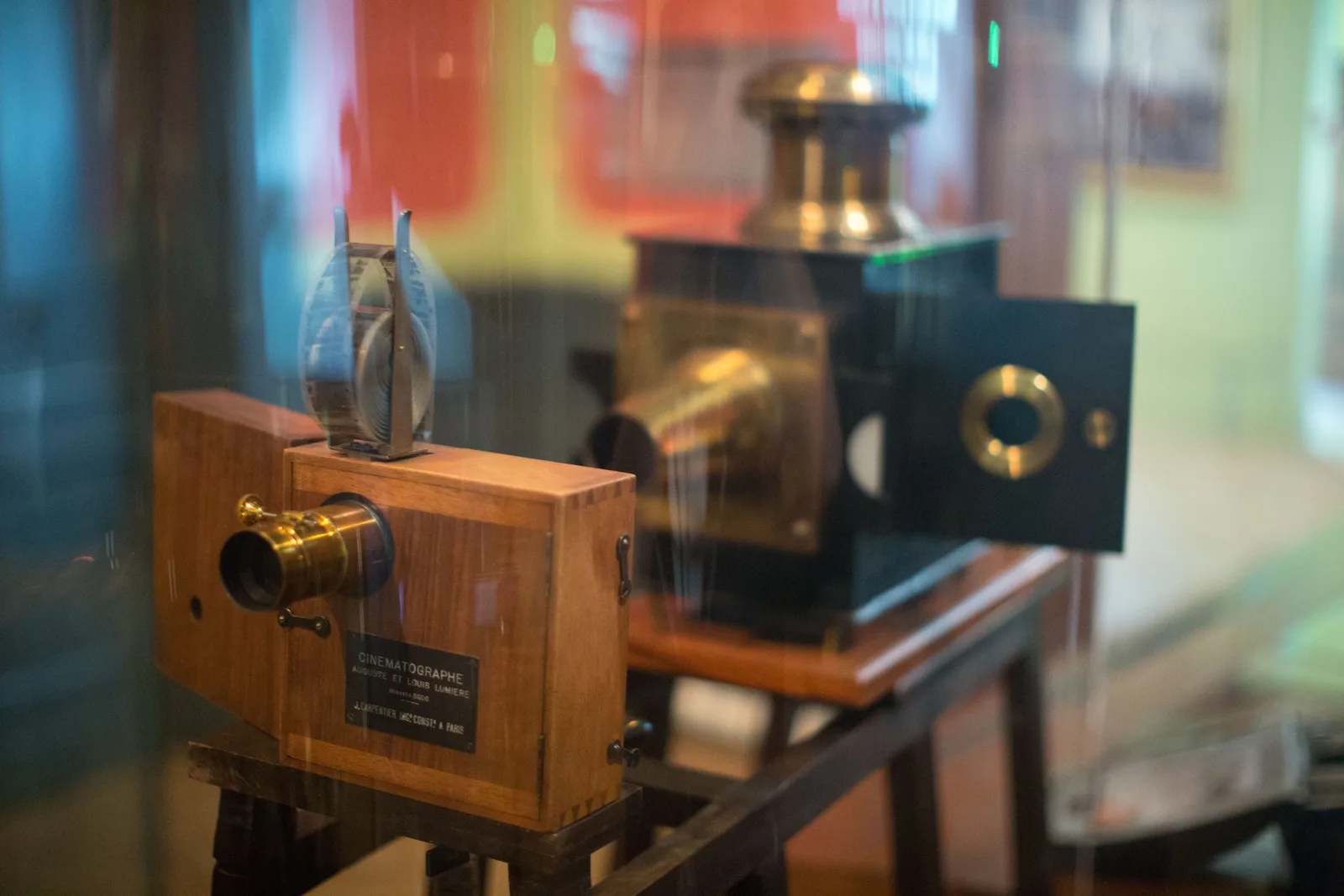
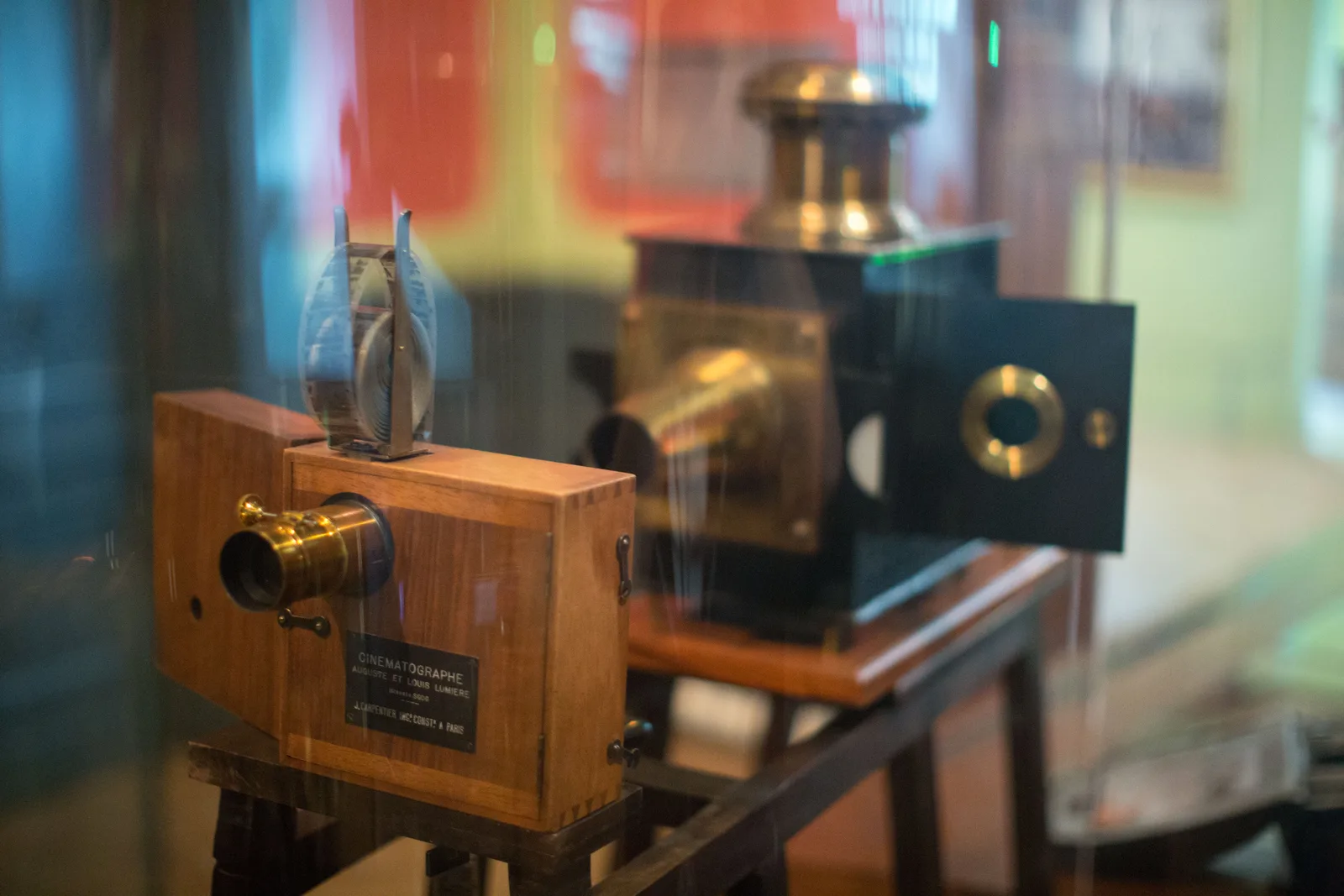
The birth of cinema: from the Lumière brothers to the Nouvelle Vague
The first film screening in Paris in 1895, Méliès' trip to the Moon, the Cannes festival and the French New Wave: French cinema history as a timeline.
Common mistakesB2
Requérir or demander: what a task needs and what a person asks
Compare requérir and demander through task requirements and everyday requests. Fix four English-led mix-ups and practise requiert, requièrent and requis.
QuizC1
French elliptical concession quiz: n’en déplaise and fût-ce
Decode ten formal French concessions with n’en déplaise, fût-ce and ne fût-ce que, reconstructing their links to the main argument.
Gap-fillB1
Aussitôt or immédiatement: a French timing cloze
Follow a last-minute change of plan and practise aussitôt, immédiatement and aussi tôt. A short reference table comes before the six-gap story.
Text conversationB2
Ask for the original French source behind a forwarded summary
Ask for a French source behind a forwarded summary: request title, link, date and passage politely, then practise replies in a professional thread.
Verb drillB1
Chouette, super, génial: French reactions and agreement practice
React to good news with chouette, super and génial, then practise chouettes, géniale, géniaux and géniales in eight short sentences.
PhrasebookA2
Avec plaisir or volontiers: accepting and replying to thanks
Accept an invitation with avec plaisir or volontiers, offer help in a full sentence, and choose a natural reply to merci. Short exchanges and a quiz.
ArticleB1
Bosser or travailler? Compare the tone of French verbs
Compare bosser and travailler, galérer and avoir des difficultés, rigoler and rire. See what changes in tone and what the sentence actually tells you.