236 pages
Culture & register
Tu or vous, toasts and small talk: what fits where, and with whom.
Real documentA2
Read a French school timetable (emploi du temps)
A French collège pupil's timetable: subjects, the free Wednesday afternoon, the long lunch, and what EPS, SVT and LV2 mean. Answer questions about the week.
PhrasebookC1
Accordons-le: concede a point in French without conceding the conclusion
Use accordons-le in four French debate scenes, granting a precise fact, criterion or inference without silently accepting a broader conclusion.
ArticleC1
Soi-disant or prétendu? Distancing yourself from a label
Un soi-disant expert claims to be one; un prétendu expert is called one by others. Learn the nuance, the agreement of prétendu and modern usage.
DialogueA2
Gamin or enfant: a French conversation about childhood
Read a childhood conversation to compare gamin, gamine and enfant. Practise your replies, then choose familiar or neutral wording for three situations.
Word scaleB1
How surprised are you? French from tiens to je n'en reviens pas
Tiens !, ah bon ?, c'est pas vrai !, sans blague !, je n'en reviens pas, j'en suis resté·e bouche bée: react to news in French, mild to stunned.
Matching gameA2
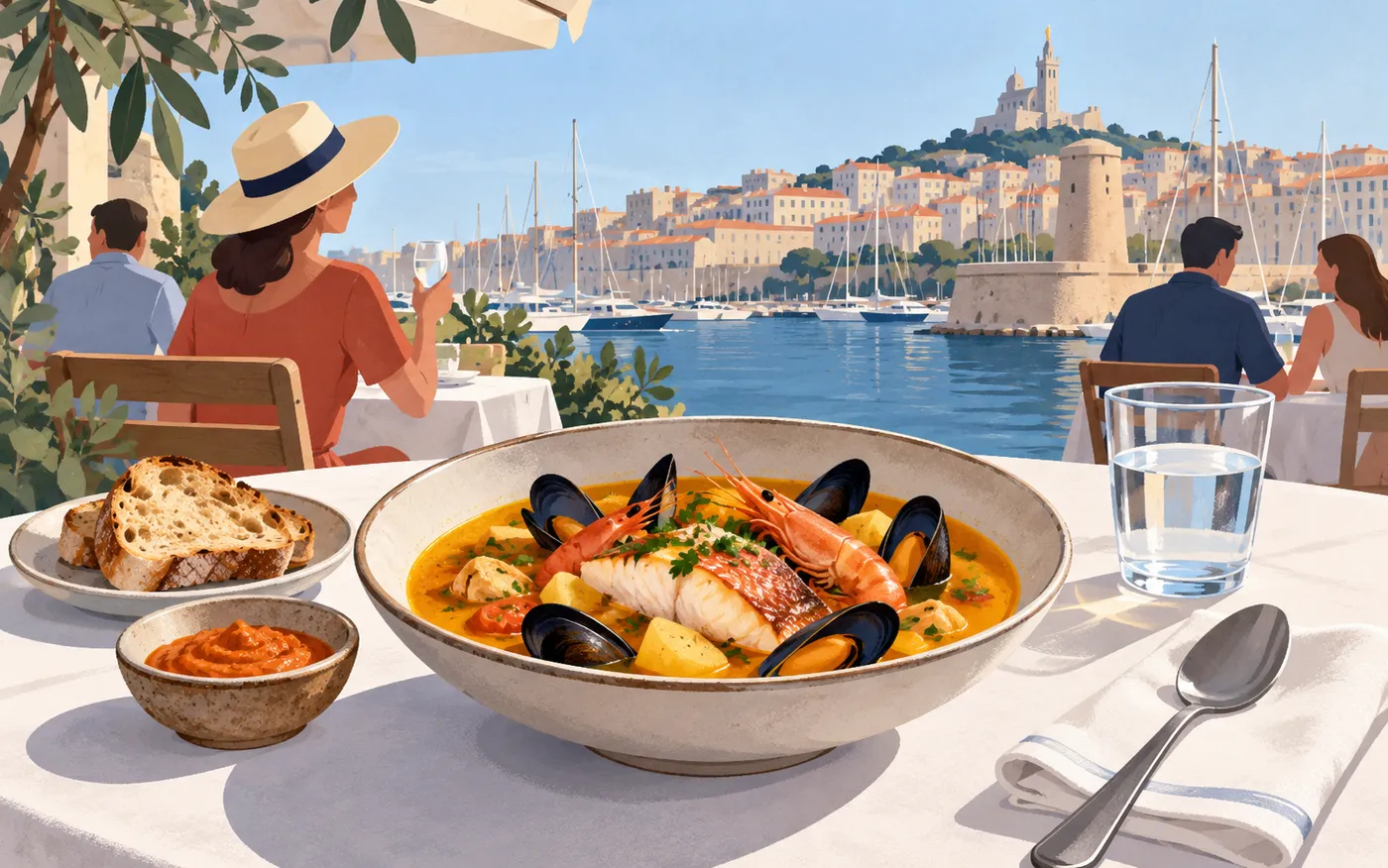
French regions and their specialities: match the dish to the region
Bouillabaisse, choucroute, crêpes, cassoulet, fondue: match twelve famous French dishes and products to their regions, with a line about each one.
Cheat sheetB1
French form names: nom de naissance, nom d’usage and prénom
Distinguish family name, name used in daily life and given names on French forms, then place supplied identity details in the matching fields.
TimelineB1
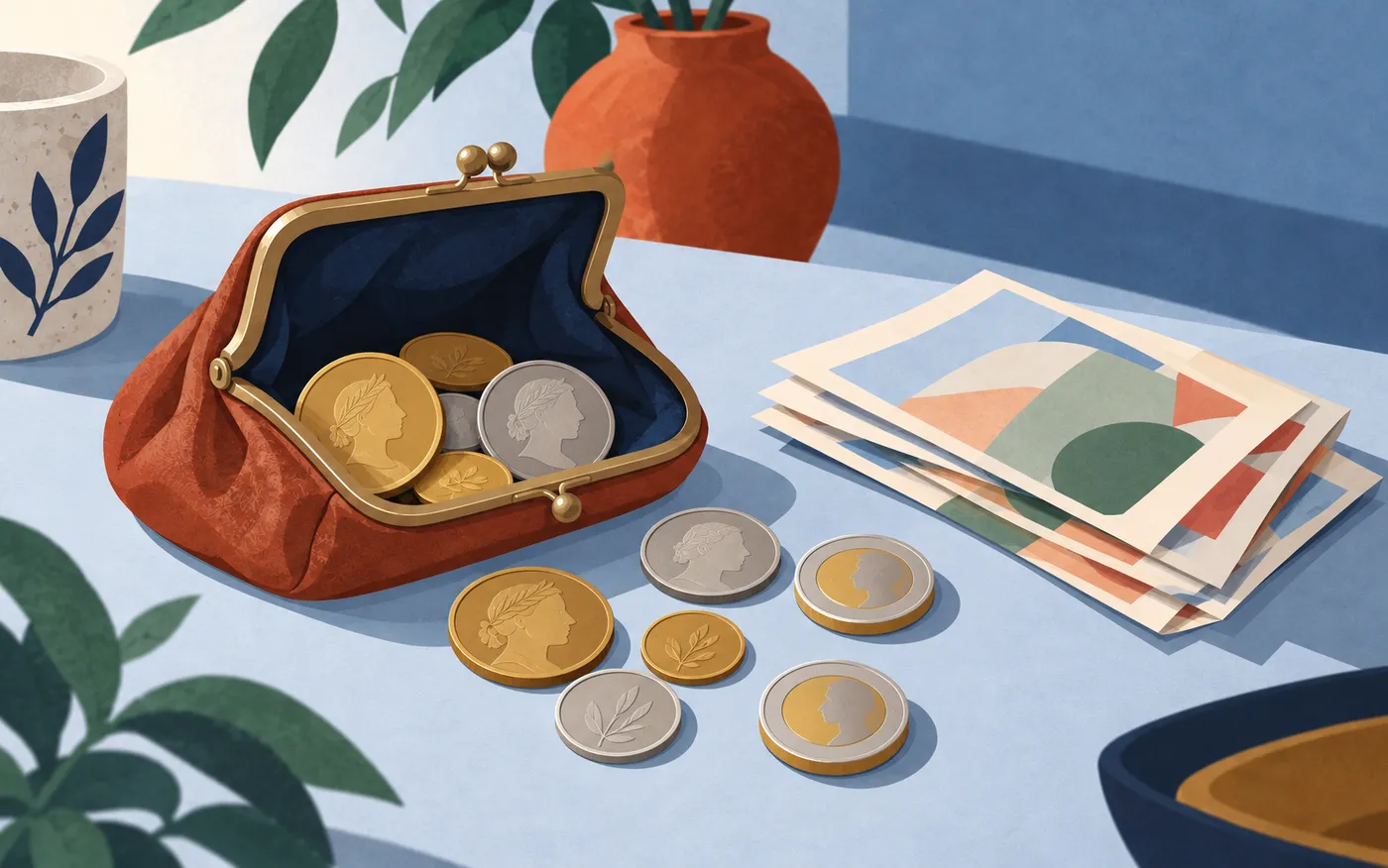
From the franc to the euro: a French money timeline
The franc from 1360 to 2002, the 'new franc' of 1960 and the switch to the euro: a short history of French money and the words people still use.
Common mistakesB2
Solliciter or demander: four request mistakes to avoid
Ask for help, seek an opinion and write a clear request in French. Compare solliciter and demander, including question clauses and English false friends.
QuizB1
French museum label quiz: prêt, don, dépôt and collection
Understand French museum labels: prêt du musée du Louvre, don de, dépôt de l'État, legs, acquisition. Ten questions on who owns each object and how it arrived.
Gap-fillB1
Pas la peine: “no need” in French, with a gap-fill conversation
Learn pas la peine de, distinguish it from en valoir la peine, then complete a short conversation about preparing a presentation with six guided gaps.
Text conversationB2
Ask a relative before using their memory in a French text
Ask a relative about using their recollection in a French text, specify wording and naming, and respond when they correct or limit the proposed use.
Verb drillB1
Je n’en reviens pas: meaning, forms and a French reaction drill
Say “I can’t believe it” with je n’en reviens pas. Compare happy and unhappy surprise, study the present forms and complete eight short reactions.
Practical guideB1
French etiquette: choose a greeting for the person in front of you
Use bonjour, salut, tu and vous in clear situations. Compare greeting scenes, ask about preferences and turn sweeping etiquette rules into useful notes.
Myth or factA2
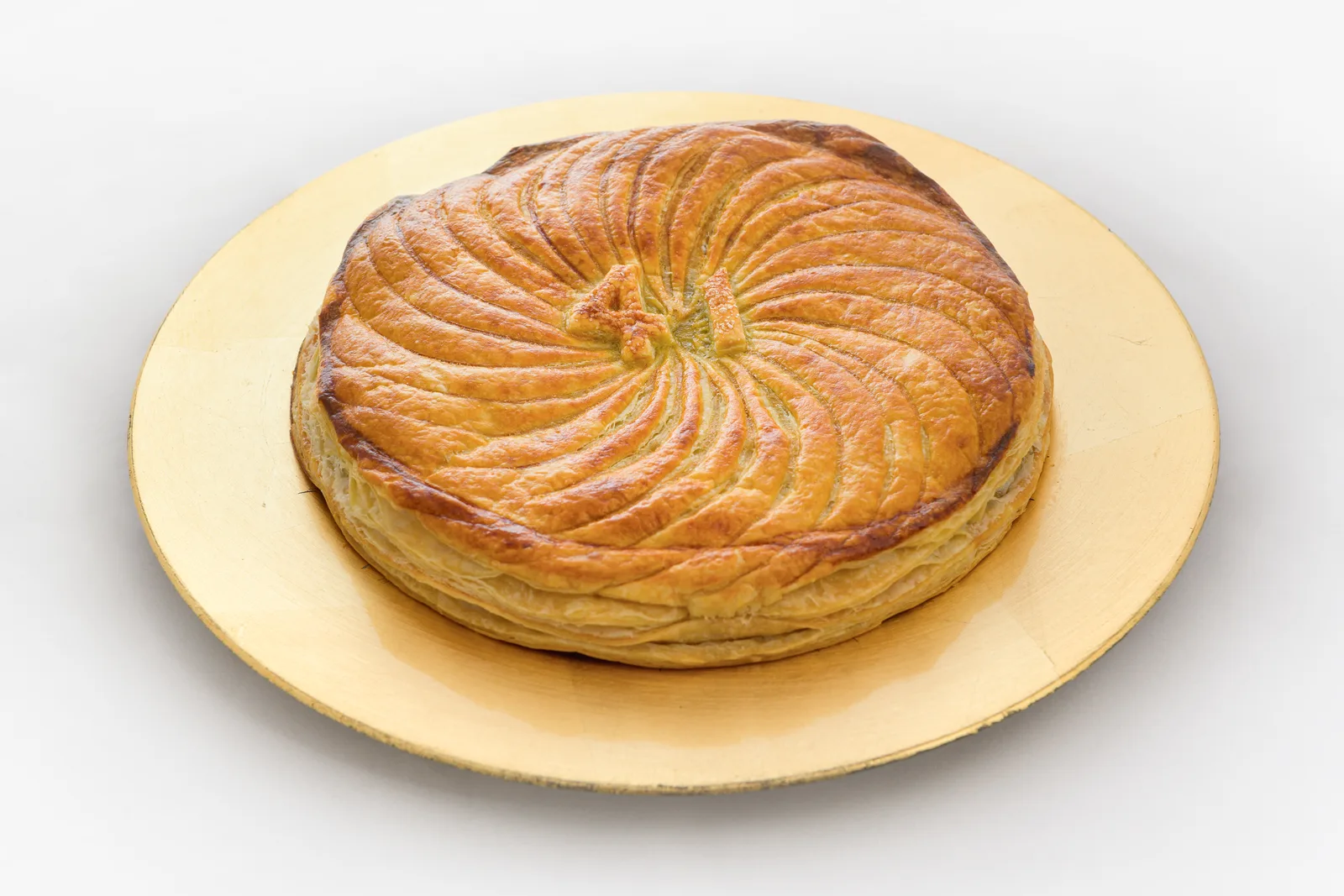
Myth or fact: French holidays and traditions
Is 14 juillet just about the Bastille? Do the French eat crêpes on 2 February? Is Halloween big in France? Judge eight claims about the French calendar.
ReadingB2
Préconiser or recommander: read a proposal without changing its meaning
Read a short French editorial note using préconiser and recommander. Compare their patterns and distinguish a suggested change from an adopted decision.
Sorting gameA2
La bise or a handshake? Sort French greeting situations
Kiss on the cheek, handshake or just bonjour? Sort twelve situations the way most French people would, then learn the unwritten rules of la bise.
PhrasebookB1
Ask for an accessible way to take part in a French public consultation
Use four French scenes to request a readable document, contribute in writing, check step-free access and clarify a proposed amendment.
ArticleB1
Éventuellement or probablement: a possible plan or a likely one?
Compare éventuellement and probablement in French plans, then test possibility, likelihood and the English false friend eventually with four questions.
DialogueB1
French small talk at work: a coffee-machine dialogue
Practise an 18-line French workplace conversation about the weekend and future plans, with English cues and a polite shift from vous to tu.
Word scaleA2
Friend or acquaintance? French words for the people you know
Une connaissance, un collègue, un copain, un ami, un ami proche, un meilleur ami: a closeness scale for French relationships, and why French people say ami carefully.
Matching gameB1
French words for "very": match each intensifier to its tone
Très, vachement, super, hyper, trop, extrêmement, fort: match ten French intensifiers to their register and feel, and stop using très for everything.
Cheat sheetB1
Tout à fait or absolument: a French agreement cheat sheet
Use tout à fait and absolument to agree, describe and deny. Compare pas tout à fait with absolument pas, then check four short French exchanges.
TimelineB1
The French Revolution in ten dates (1789–1799)
From the États généraux to the storming of the Bastille, the Declaration of the Rights of Man, the Republic and Napoleon's coup: the Revolution as a French timeline.
Common mistakesB1
Flic or policier: “cop”, “police officer” and the word police
Recognise flic in casual French and use policier or policière in a neutral account. Practise person, institution and detective-story meanings.
QuizB1
Ouais or oui? Nine questions on saying yes in French
Practise oui and familiar ouais in invitations, confirmations and qualified replies. Nine questions help you read the whole answer and choose a clear response.
Gap-fillB1
French B1 gap-fill: change a formal email into a friendly message
Complete 12 greetings, requests and sign-offs as an email changes recipient. Compare a professional request with a message to a friend, with translation.
Text conversationB2
Ask a French colleague to correct a misleading percentage
Ask a French colleague to correct a misleading percentage. Clarify the denominator, distinguish percentage points and propose a concise replacement.
Verb drillB1
Se barrer, piger, causer: practise French verb frames
Practise familiar French verbs with their pronouns, objects and prepositions. Complete se barrer, piger, bosser sur and causer avec in short drills.
Practical guideA1
French register and politeness: tu, vous and requests
Learn French register and politeness: choose tu or vous, make polite requests, apologise and write courteous messages, with a nine-question quiz.
Myth or factB1
Myth or fact: the history of the French language
Did everyone speak French in 1789? Does the circumflex hide a lost s? Did English borrow thousands of French words? Judge eight claims about French.
PhrasebookA2
Bon rétablissement or prenez soin de vous: messages that show you care
Wish someone a good recovery or simply say take care. Practise short French messages with bon rétablissement, prends soin de toi and prenez soin de vous.
ArticleB1
Vachement or très: say “really” in familiar or neutral French
Compare vachement and très with adjectives, adverbs and verbs. See when a neutral rewrite needs beaucoup, then choose the right form in a short quiz.
DialogueB1
Carrément or vraiment? A French conversation about weekend plans
Practise an enthusiastic yes, a surprised really and a strong description in a French dialogue. Compare carrément and vraiment with examples and a quiz.
Word scaleB1
Asking politely in French: from donne-moi to auriez-vous l'amabilité
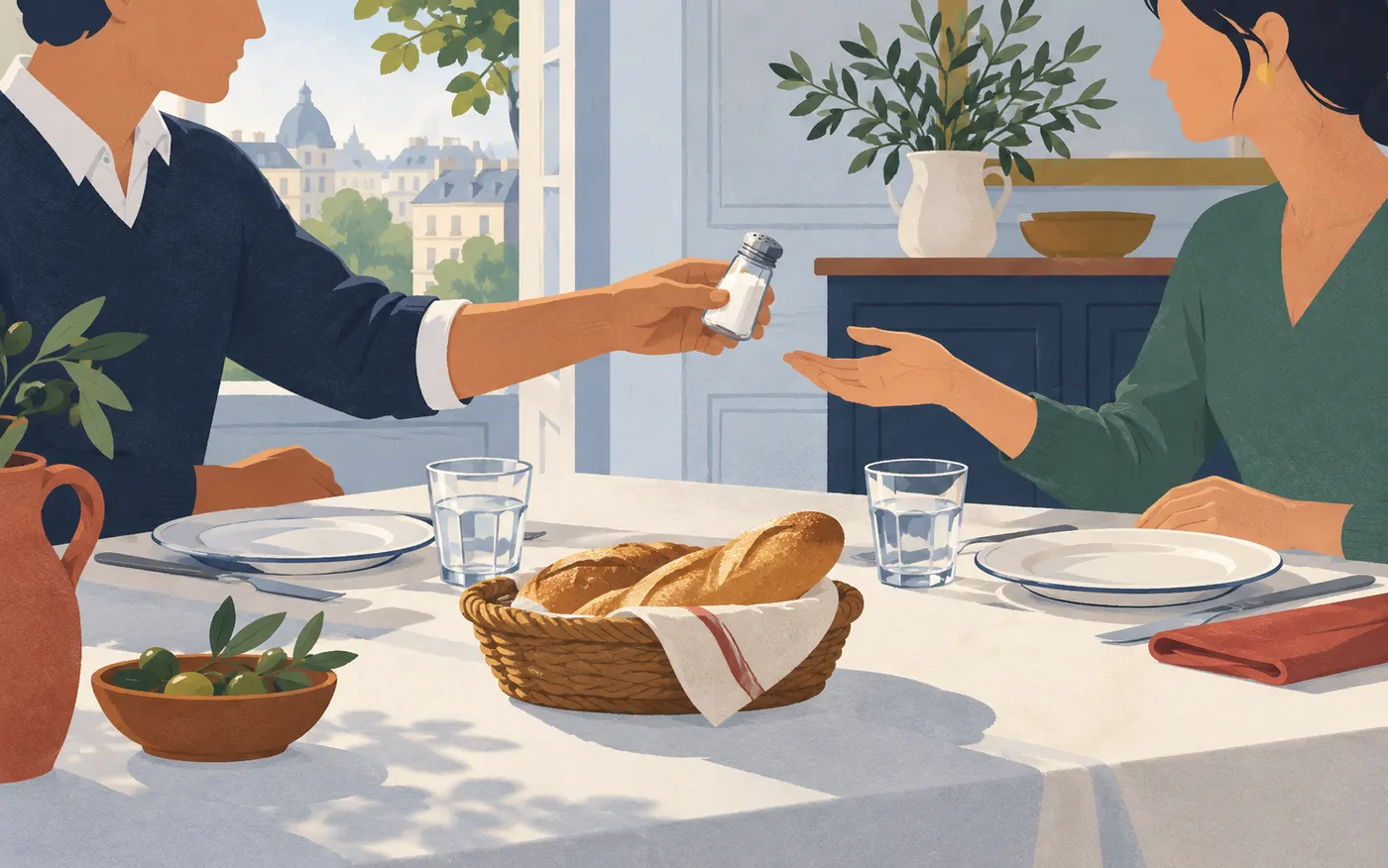
Seven ways to ask for the salt, from a blunt donne-moi le sel to a very formal auriez-vous l'amabilité de…, on a politeness scale with when to use each.
Matching gameB1
French weather idioms: il pleut des cordes and more
Il pleut des cordes, un temps de chien, après la pluie le beau temps, être dans le brouillard: match ten weather idioms, literal and figurative.