Timeline
Victor Hugo: a life in nine dates
Poet, novelist, politician, exile: Victor Hugo's life from Besançon to the Panthéon, with Notre-Dame de Paris and Les Misérables along the way.
- B1
- 9 moments
- Put-in-order game
- Learn this in the B1 notebook →
In short
Victor Hugo (1802–1885) was the giant of French Romanticism: poet, playwright, novelist (Notre-Dame de Paris, Les Misérables) and politician. Opposed to Napoleon III, he lived 19 years in exile on Jersey and Guernsey, and two million people followed his funeral.
Yellow the idea to rememberBlue French to learn
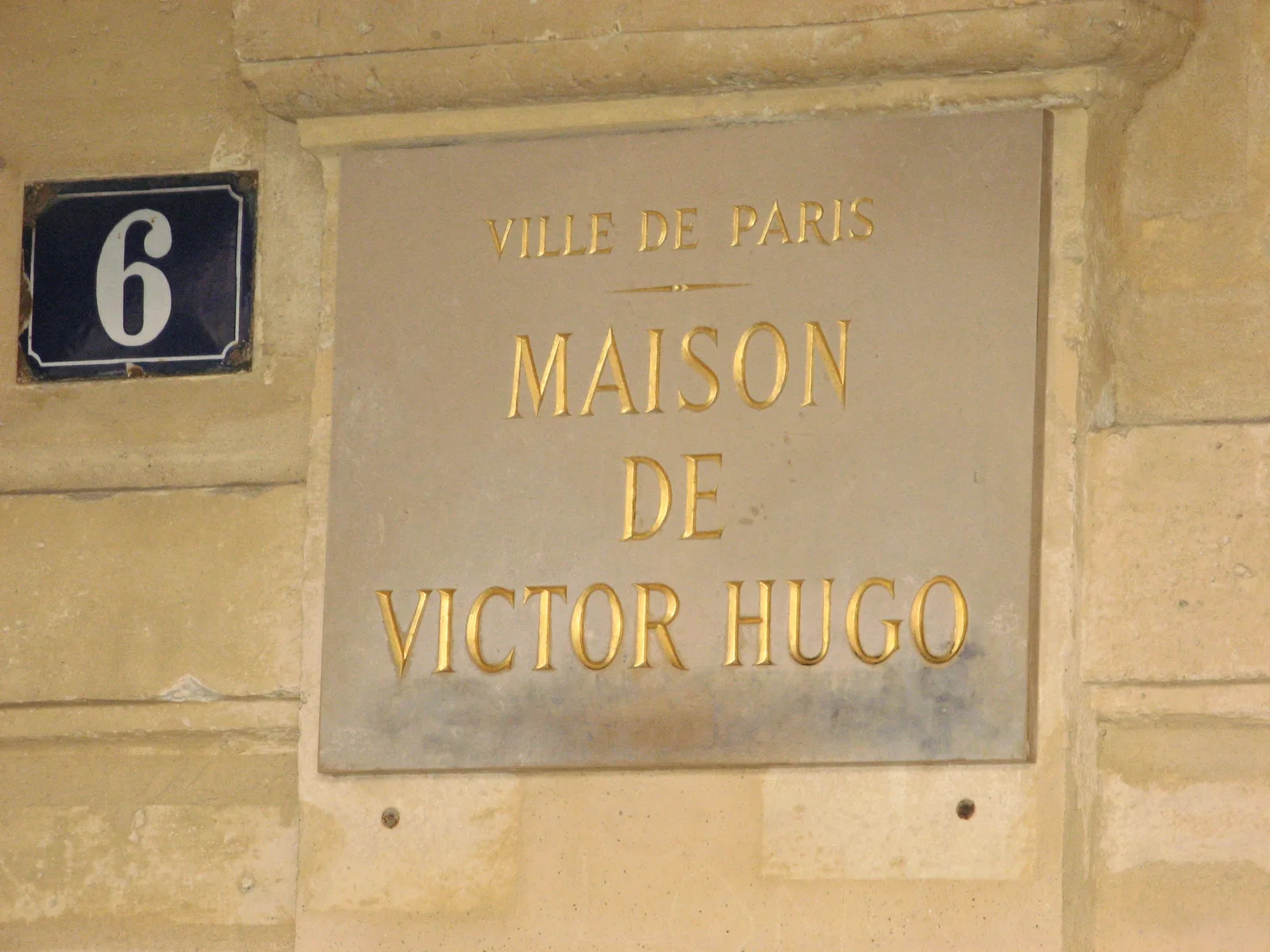
- 1802Naissance à Besançon.Born in Besançon.
- 1830Bataille d'Hernani : triomphe du drame romantique.The battle of Hernani: triumph of Romantic drama.
- 1831Publication de Notre-Dame de Paris.Notre-Dame de Paris is published.
- 1843Mort de sa fille Léopoldine, noyée dans la Seine.His daughter Léopoldine drowns in the Seine.
- 1851Il s'oppose au coup d'État de Louis-Napoléon et part en exil.He opposes Louis-Napoléon's coup and goes into exile.
- 1855Installation à Guernesey.He settles in Guernsey.
- 1862Publication des Misérables.Les Misérables is published.
- 1870Retour triomphal à Paris.Triumphant return to Paris.
- 1885Mort à Paris ; funérailles nationales et entrée au Panthéon.Dies in Paris; state funeral and burial in the Panthéon.
Key words
| French | English |
|---|---|
| le romantisme | Romanticism |
| le drame | drama (play) |
| l'exil | exile |
| publier | to publish |
| les funérailles nationales | state funeral |
| une œuvre | a work (of art) |
Hugo's novels shaped how France sees itself: Notre-Dame de Paris (1831) helped save the cathedral from demolition, and Les Misérables made the poor of Paris the heroes of a national epic. His poem Demain, dès l'aube, written for Léopoldine, is learned by heart in French schools.
« Demain, dès l'aube, à l'heure où blanchit la campagne, je partirai. »
"Tomorrow, at dawn, at the hour when the countryside whitens, I will leave."
The opening line of his most famous poem.
- Victor Hugo a écrit Notre-Dame en 1862.Victor Hugo a écrit Les Misérables en 1862.
Notre-Dame de Paris dates from 1831.
- Il était en exil en Corse.Il était en exil à Jersey puis à Guernesey.
The Channel Islands, not Corsica.