Cheat sheet

French compound noun plurals: des choux-fleurs, des tire-bouchons

How do French compound nouns take the plural? Noun + noun, verb + noun, adjective + noun: une fiche pour des choux-fleurs, des tire-bouchons, des grands-parents.

In short

In French compound nouns, only nouns and adjectives can take the plural; verbs, adverbs and prepositions never do: des choux-fleurs (both nouns), des grands-parents (adjective + noun), des tire-bouchons (verb + noun), des après-midi (invariable).

Yellow the idea to rememberBlue French to learn

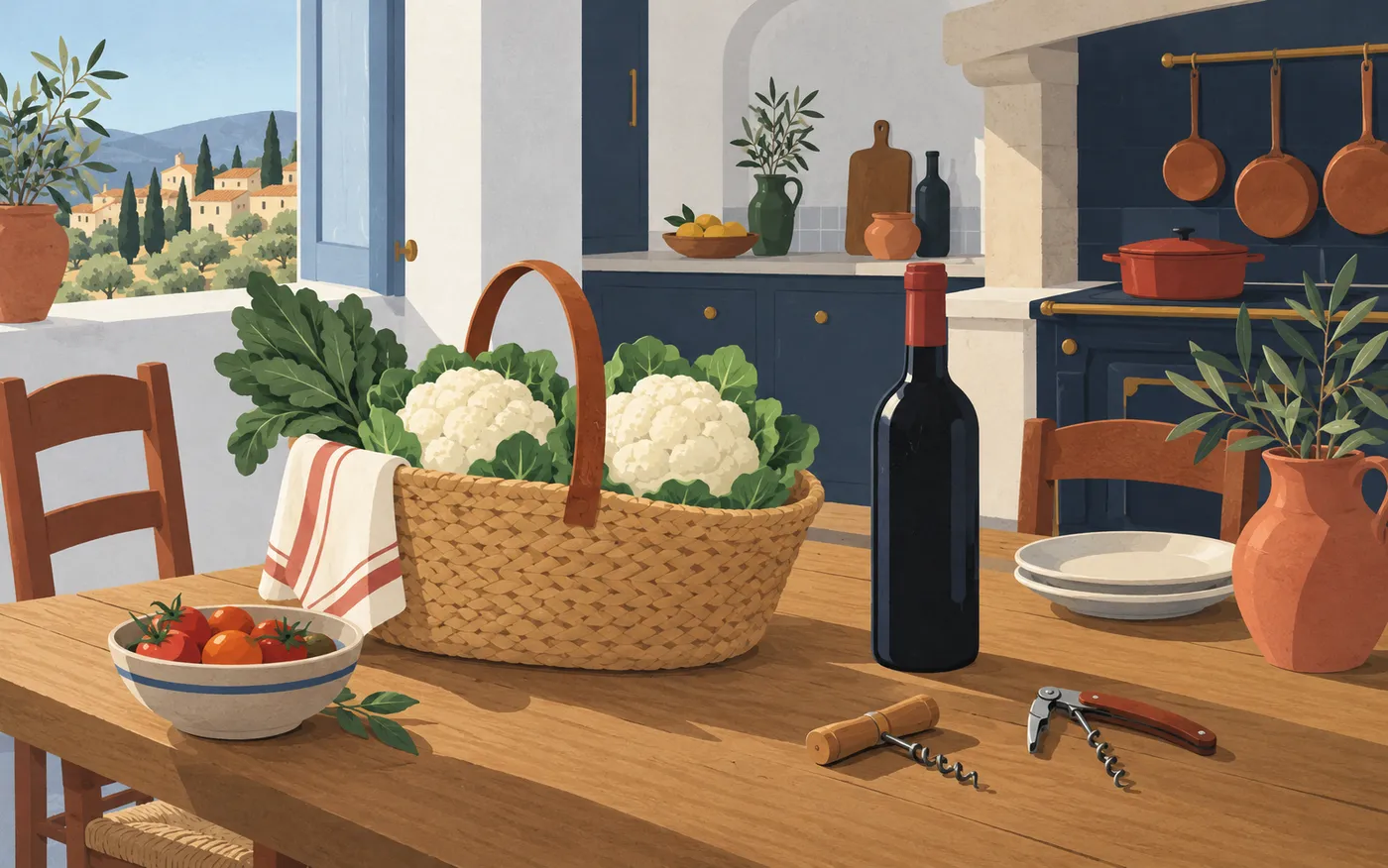
Cauliflowers and corkscrews arranged on a kitchen table.
Des choux-fleurs and des tire-bouchons show two familiar compounds. Illustration: Atelier

Pluriel des noms composés · fiche

1 · Noun + noun

Both usually take -s.

un wagon-lit → des wagons-litssleeping car
un oiseau-mouche → des oiseaux-moucheshummingbird

un chou-fleur → des choux-fleurscauliflower

2 · Adjective + noun

Both take -s.

un coffre-fort → des coffres-fortssafe
une belle-sœur → des belles-sœurssister-in-law

un grand-parent → des grands-parentsgrandparent

3 · Verb + noun

Only the noun can change.

un ouvre-boîte → des ouvre-boîtestin opener
un garde-manger → des garde-manger(s)larder

un tire-bouchon → des tire-bouchonscorkscrew

4 · Noun + preposition + noun

Usually only the first noun.

une pomme de terre → des pommes de terrepotato

un arc-en-ciel → des arcs-en-cielrainbow

5 · Invariable words

Adverbs and prepositions never change.

un haut-parleur → des haut-parleursloudspeaker

un après-midi → des après-midi(s)afternoon

6 · 1990 reform

Verb + noun compounds may simply add -s at the end.

un sèche-cheveu → des sèche-cheveuxhairdryer

Everyday compound nouns
SingularPlural
un grand-pèredes grands-pères
un porte-clésdes porte-clés
un rendez-vousdes rendez-vous
un sous-soldes sous-sols
un timbre-postedes timbres-poste
un abat-jourdes abat-jours

Some compounds already end in -s or -x in the singular and don't change: un porte-clés, un rendez-vous. In un timbre-poste (a stamp for the post), the second noun keeps its singular because it means "for the post".

When in doubt, ask what each part means. In un porte-monnaie, porte is a verb (it carries money), so it doesn't change: des porte-monnaie(s). In un chou-fleur, both are things, so both take the plural: des choux-fleurs. Dictionaries give the plural, and the 1990 reform accepted many simpler forms.

  • des grand-parentsdes grands-parents

    Grand is an adjective here, so it agrees.

  • des ouvres-boîtesdes ouvre-boîtes

    Ouvre is a verb and never takes -s.

  • des pomme de terresdes pommes de terre

    Only the first noun takes the plural.

Question 1No account needed
Plural of une belle-mère :

Choose one answer.

Answer and explanation

des belles-mères. Adjective + noun: both plural.

Question 2No account needed
Plural of un tire-bouchon :

Choose one answer.

Answer and explanation

des tire-bouchons. Tire is a verb: only the noun changes.

Question 3No account needed
Plural of un arc-en-ciel :

Choose one answer.

Answer and explanation

des arcs-en-ciel. Only the first noun takes -s.