Sorting game
French recipe instructions with il faut: ingredients or actions?
Sort French recipe lines into needed ingredients and required actions. Recognise il faut plus a noun phrase or infinitive in a simple cold-salad recipe.
- A1
- 12 words to sort
- 2 boxes
- Tap to play
- Learn this in the A1 notebook →
In short
Il faut des tomates names something needed; il faut laver les tomates names an action to do. After il faut, look for a noun phrase such as des tomates or an infinitive such as laver. An ingredient later in the sentence does not make the whole line an ingredient-only instruction.
Yellow the idea to rememberBlue French to learn
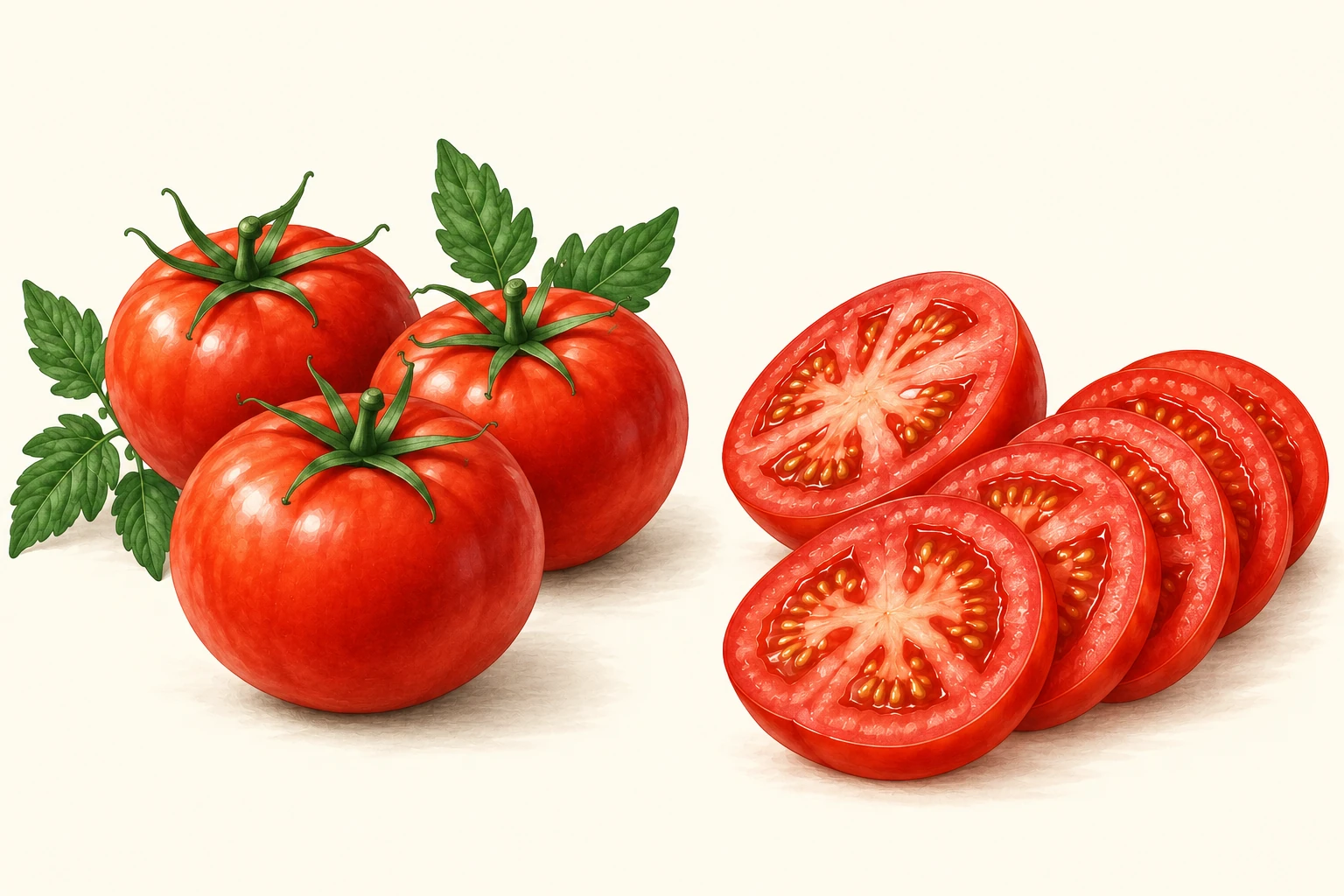
These twelve lines belong to a simple cold-salad recipe. Six list ingredients, and six tell you what to do with them. The sorting decision depends on the first construction after il faut. Every line begins with the same impersonal expression; you do not change faut to agree with the number of tomatoes.
Tap a word, then the box it belongs in.
Read the word after faut first
| Pattern | Example | Meaning |
|---|---|---|
| Il faut + noun phrase | Il faut un citron. | You need a lemon. |
| Il faut + infinitive | Il faut presser le citron. | You need to squeeze the lemon. |
In Il faut ajouter de l’huile, ajouter is the infinitive. De l’huile is the ingredient being added, but the line still tells you to perform an action. In Il faut de l’huile, no action verb follows faut: the line just identifies oil as something required. Keeping that distinction helps you read a recipe’s shopping list and method separately.
Use the article with the ingredient
Du sel and de l’huile describe unspecified amounts. Un citron names one lemon. Des tomates names more than one tomato without giving a precise count. To specify that count, replace the article with a number: Il faut deux tomates. The phrase still names ingredients rather than an action.
Il faut des olives. Il faut ajouter les olives à la salade.
You need olives. You need to add the olives to the salad.
Keep il faut unchanged
Use il faut with both a singular ingredient and plural ingredients: il faut un citron, il faut des tomates. The pronoun il is impersonal here; it does not stand for a person in the kitchen. In the action pattern, the following verb stays in the infinitive: il faut couper, not il faut coupe.