Sorting game
Read a French clothing collection notice: what goes in the bag?
Sort eight items using a French clothing-donation notice. Apply its clean-and-dry rule and its explicit exclusion of household linen and wet items.
- A1
- 8 words to sort
- 2 boxes
- Tap to play
- Learn this in the A1 notebook →
In short
Follow the conditions printed in this notice: clean, dry clothes and shoes are accepted; household linen and wet items are excluded. A clean sheet is still household linen, and clean but wet trousers still fail the dry-item rule. Check the category and condition together when sorting each item.
Yellow the idea to rememberBlue French to learn
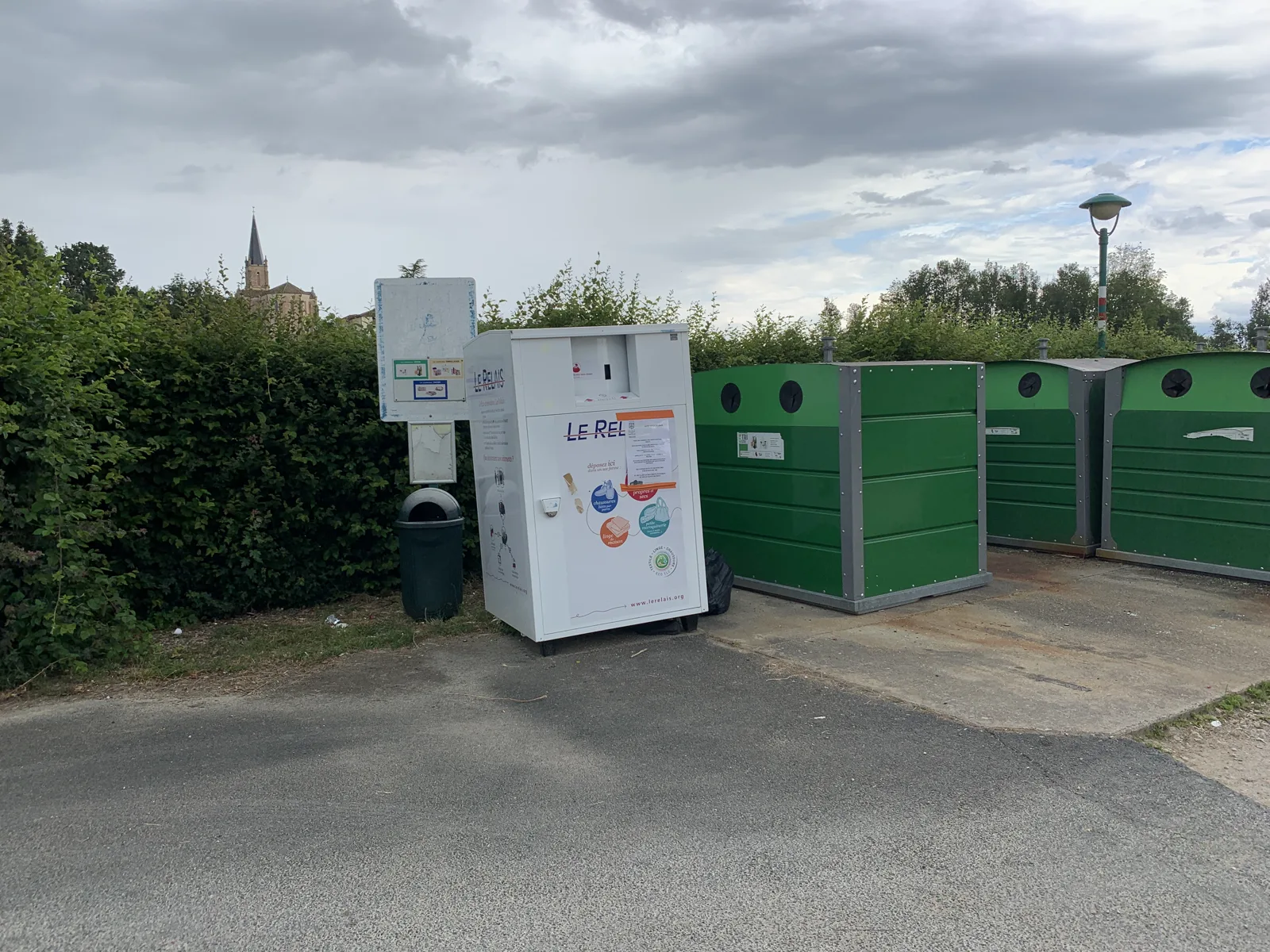
You are packing a bag for the collection described below. Each item’s condition is written on its card. Use both its category and its condition: being clean is one requirement, but it does not override an excluded category or a wet state. The glossary supplies the less familiar nouns.
Exemple pédagogique
Collecte de vêtements
Acceptés
Vêtements et chaussures propres et secs.
Non acceptés
Linge de maison : draps et serviettes de bain.
Articles mouillés, même propres.
| French | English |
|---|---|
| Un drap | A bed sheet |
| Une serviette de bain | A bath towel |
| Le linge de maison | Household linen |
| Mouillé / mouillée | Wet |
| Sec / sèche | Dry |
Tap a word, then the box it belongs in.
Read the category and the condition together
Une chemise is clothing, and propre et sèche confirms both required conditions. Un drap is household linen; propre et sec does not change that category. Des bottes are footwear, but mouillées says they are wet. The notice expressly excludes wet items even if they are clean.
Cette chemise est propre et sèche. Elle est acceptée dans cette collecte.
This shirt is clean and dry. It is accepted in this collection.
Ce drap est propre, mais le linge de maison n’est pas accepté ici.
This sheet is clean, but household linen is not accepted here.
Collecte and collection do different jobs in these contexts
Collecte de vêtements names the act or organised event of collecting clothing donations in this notice. Une collection printemps-été in a shop describes a fashion collection. Recognising the similar words is useful, but the fashion phrase does not establish what a donation organiser accepts.
For a real collection, read its own current list or ask about the item you have: Vous acceptez les draps ? The answer may differ from this exercise. The transferable skill is to combine the named category with the stated condition before packing the bag.