Original C2 reading · A voice and its listeners
Garde une place
Elle disait : garde une place. Elle le disait quand la table était pleine, quand un voisin arrivait sans prévenir1, quand nous pensions avoir compté tout le monde. Garde une place. Nous déplacions les assiettes, puis nous attendions la suite.
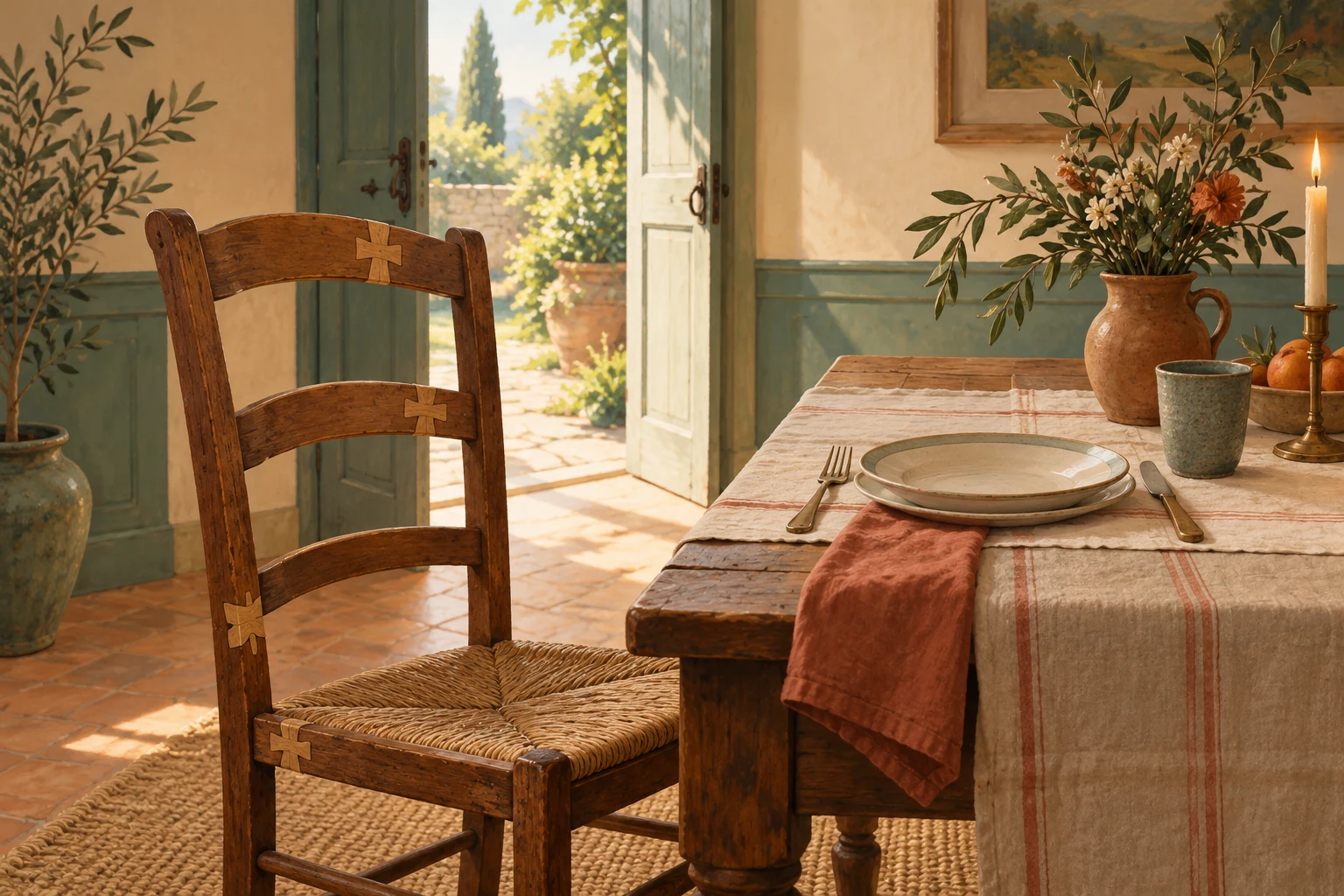
Ce soir-là, elle raconta la chaise de son père. Une chaise légère, réparée tant de fois que personne ne savait plus quel morceau était le premier. À chaque réparation, disait-elle, un autre bois était entré dans la maison. Le menuisier avait proposé de tout remplacer. Son père avait refusé : il voulait encore reconnaître ce qui avait changé.
Garde une place, reprit-elle. Mon frère demanda pour qui. Elle ne répondit pas tout de suite. Dans la rue, une porte claqua ; elle attendit que le bruit passe, comme si la rue avait elle aussi son tour de parole2. Puis elle nous montra la chaise vide au bout de la table.
Ce n’était pas un siège réservé à un revenant3. Demain, expliqua-t-elle, quelqu’un raconterait peut-être la réparation autrement. Il faudrait l’écouter avant de décider que notre version était la dernière. Mon frère rapprocha sa chaise de la mienne. Nous avions fini de manger, mais nous laissâmes une place.
Read it in English
She would say: leave a place. She said it when the table was full, when a neighbour arrived without warning, when we thought we had counted everyone. Leave a place. We moved the plates, then waited for what came next.
That evening she told the story of her father’s chair. A light chair, repaired so often that nobody knew which piece had been there first. With every repair, she said, another kind of wood had entered the house. The carpenter had offered to replace everything. Her father had refused: he still wanted to recognise what had changed.
Leave a place, she repeated. My brother asked who it was for. She did not answer straight away. In the street, a door slammed; she waited for the noise to pass, as if the street too had its turn to speak. Then she showed us the empty chair at the end of the table.
It was not a seat reserved for someone returned from the dead. Tomorrow, she explained, someone might tell the story of the repair differently. We would have to listen before deciding that our version was the final one. My brother moved his chair closer to mine. We had finished eating, but we left a place.