Négritude, créolité, créolisation: three French concepts to distinguish
Distinguish négritude, créolité and créolisation in French literary reading without treating these historically situated concepts as interchangeable stages.
In short
Négritude names a literary and intellectual affirmation of Black identity; créolité affirms plural Creole cultural identity; créolisation names an ongoing relational process producing unforeseen forms. They overlap in debates about language and domination, but are not interchangeable labels or compulsory stages of one history.
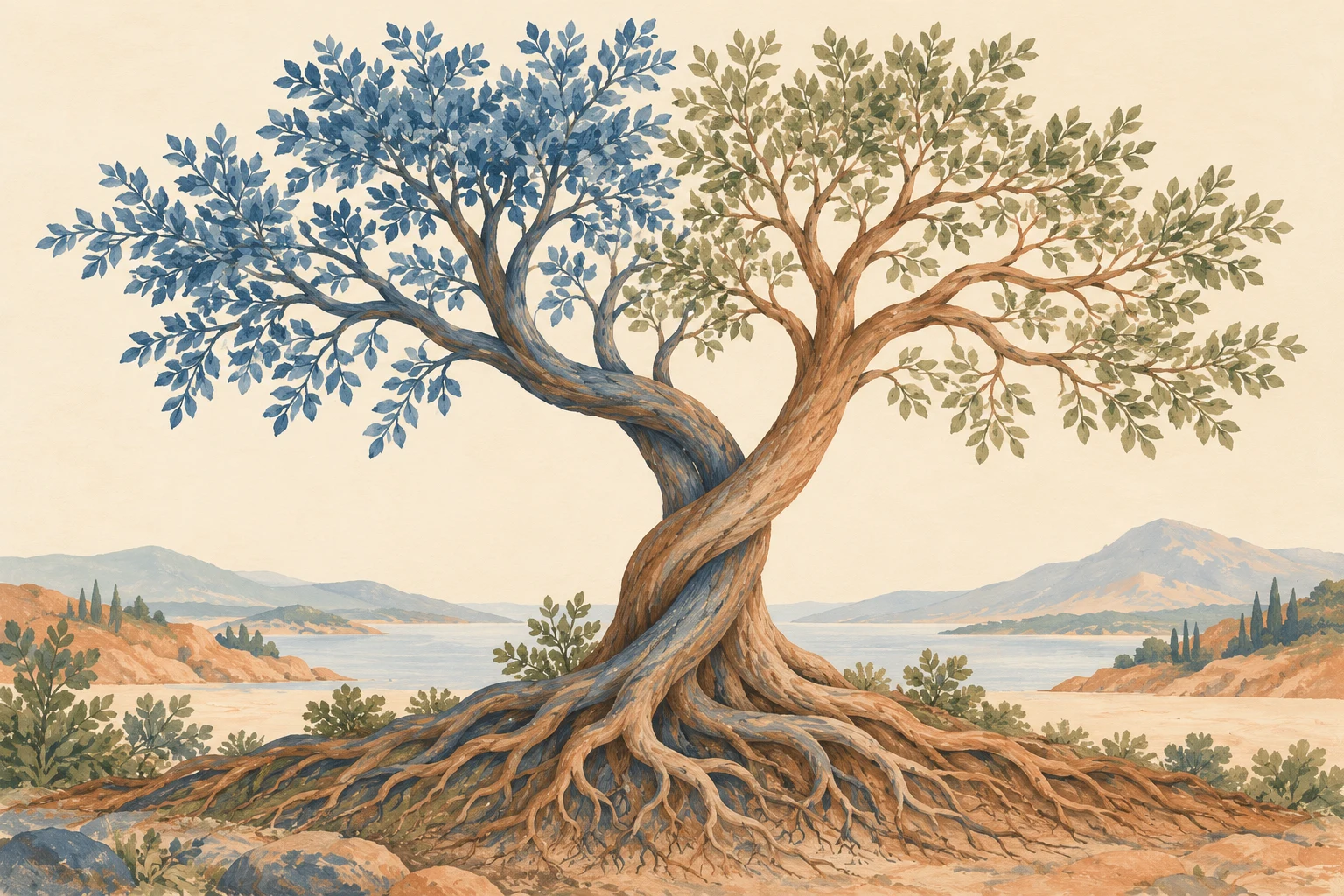
Négritude emerged in the 1930s around writers including Aimé Césaire, Léon-Gontran Damas and Léopold Sédar Senghor. Against colonial devaluation and assimilation, its writers revalued Black histories and cultural inheritances. They did not all defend an identical account of identity. A commentary should identify the particular author, work and historical question before assigning a single doctrine to the movement.
| Term | Reading question | Misleading shortcut |
|---|---|---|
| la négritude | What denied inheritance or dignity is being affirmed? | Any mention of Africa automatically proves the text belongs to the movement. |
| la créolité | How are plural Creole languages and inheritances affirmed? | A synonym for one pure or unchanged origin. |
| la créolisation | What unforeseen form emerges through relations and contact? | Merely adding two finished cultures without transformation. |
Créolité is notably associated with the 1989 manifesto Éloge de la créolité by Jean Bernabé, Patrick Chamoiseau and Raphaël Confiant. Créolisation, central to Édouard Glissant’s thought, directs attention to relation, transformation and unpredictability. The first can name an affirmation of cultural plurality; the second foregrounds a process. These short definitions help reading, but do not exhaust the writers’ arguments or their disagreements.
Tap one on the left, then its partner on the right.
Use a concept by joining it to a textual feature. “The repetition gives the inherited voice an audible place” is more useful than listing three prestigious nouns. Then name the limit: a formal resemblance does not establish a writer’s self-identification with a movement. Historical affiliation needs evidence beyond your interpretation of one passage.