C1 · Report reading
Une moyenne, plusieurs situations
Le bilan annuel d’un réseau de trois ateliers annonce une hausse du nombre moyen de participations. Le titre paraît encourageant : la moyenne passe de dix à douze séances par personne. Pourtant, cette progression ne décrit pas la situation de chacun. Pour comprendre ce qui a changé, le groupe de suivi examine la répartition1 des participations entre les trois ateliers, qui comptent le même nombre de membres à chacune des deux dates.
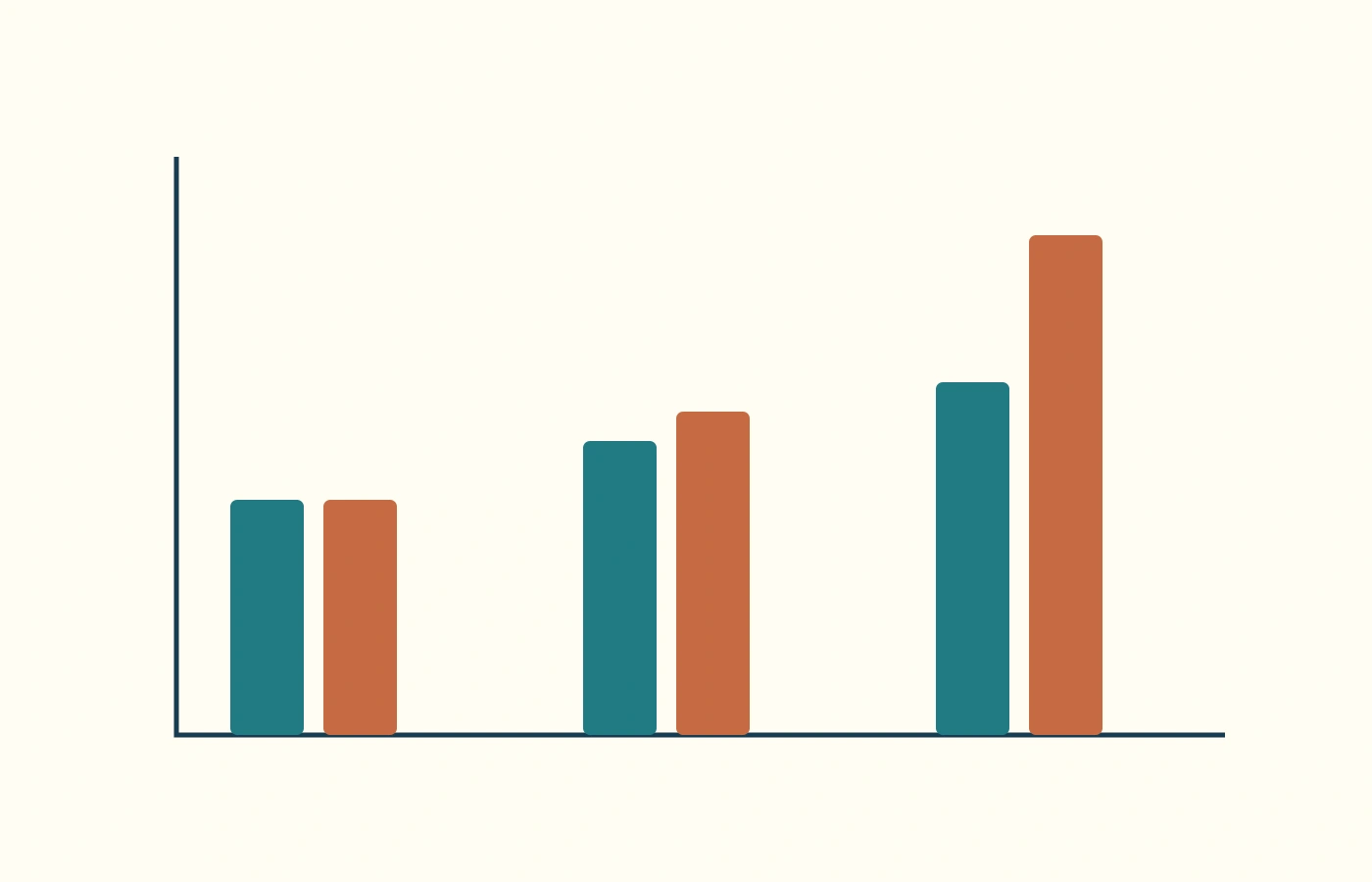
Dans le premier atelier, la moyenne reste fixée à huit séances. Dans le deuxième, elle passe de dix à onze. Dans le troisième, elle augmente de douze à dix-sept. La hausse de l’ensemble provient donc surtout du dernier atelier. Présenter le résultat comme une amélioration identique dans chaque groupe effacerait cette différence.
Le rapport propose deux explications possibles, sans les considérer comme établies. Le troisième atelier a ouvert un créneau2 supplémentaire ; il a également accueilli de nouveaux membres déjà très disponibles. Les données fournies ne permettent pas de séparer l’effet de ces deux changements. Elles ne disent pas non plus combien de personnes n’ont participé à aucune séance.
Le groupe de suivi recommande ainsi de compléter le bilan par une distribution plus détaillée, en conservant la même définition de la participation. Il souhaite connaître les situations des membres les moins présents avant de décider où ouvrir le prochain créneau. La moyenne reste utile pour résumer le réseau, mais elle ne remplace ni l’examen des écarts3 ni l’identification des personnes concernées.
Read it in English
The annual review of a network of three workshops announces an increase in the average number of attendances. The headline seems encouraging: the average rises from ten to twelve sessions per person. Yet this increase does not describe everyone’s situation. To understand what has changed, the monitoring group examines the distribution of attendances across the three workshops, which have equal numbers of members at each of the two dates.
In the first workshop, the average remains at eight sessions. In the second, it rises from ten to eleven. In the third, it increases from twelve to seventeen. The increase for the network as a whole therefore comes mainly from the last workshop. Presenting the result as an identical improvement in every group would erase this difference.
The report proposes two possible explanations without treating them as established. The third workshop opened an additional time slot; it also welcomed new members who already had plenty of free time. The data provided cannot separate the effects of these two changes. Nor do they say how many people attended no sessions at all.
The monitoring group therefore recommends adding a more detailed distribution to the review, while keeping the same definition of participation. It wants to understand the circumstances of the least frequent participants before deciding where to open the next slot. The average remains useful for summarising the network, but it cannot replace either examination of the differences or identification of the people concerned.