En l'occurrence: point to this particular case in French
Use en l’occurrence for the particular French case under discussion, contrasting it with en général, en cas de and occasionnellement.
In short
En l’occurrence means “in this particular case”. It points to the actual case being discussed: Il faut vérifier les moyens ; en l’occurrence, deux agents sont disponibles. It does not mean “occasionally”, and it differs from hypothetical en cas de.
Yellow the idea to rememberBlue French to learn
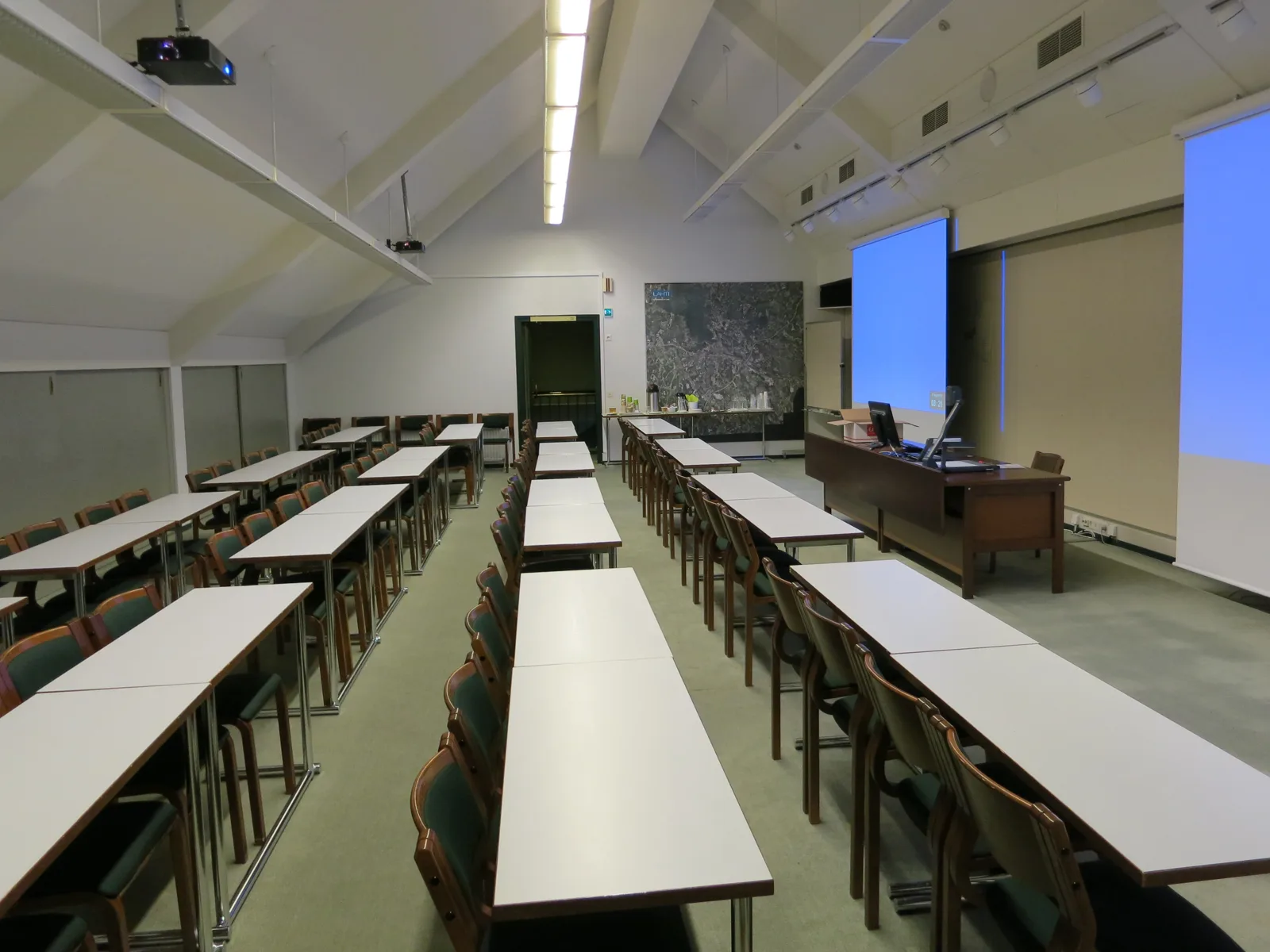
A committee is discussing whether to open a study room on Thursday evening. Someone makes a general point about staffing. En l’occurrence brings the discussion back to the staff available for this Thursday. The expression narrows the scope rather than counting how often something happens.
| Expression | Scope | Example |
|---|---|---|
| en l’occurrence | The actual case under discussion | En l’occurrence, deux agents sont disponibles jeudi. |
| en général | A general pattern | En général, le service ferme à dix-huit heures. |
| en cas de | A possible event and its condition | En cas d’absence, prévenez la coordinatrice. |
| occasionnellement | Frequency: from time to time | La salle ouvre occasionnellement en soirée. |
Make the referent recoverable
Toute extension des horaires exige des moyens d’accueil adaptés. En l’occurrence, une agente volontaire peut assurer la soirée du 12 juin.
Every extension of opening hours requires suitable reception staffing. In this case, one volunteer staff member can cover the evening of 12 June.
The date and named arrangement make the actual case clear. If you remove them and discuss a possible future absence, en cas de is more appropriate. If you compare usual schedules, en général serves another purpose. These phrases are not formal synonyms; each changes the kind of claim the sentence makes.
Use the phrase where a general claim could otherwise be mistaken for the conclusion about every situation. Then state the concrete detail that makes this case relevant. Repetition of en l’occurrence without a clear case gives the reader little help.