Exam practice

French lunch note: say which food is for whom

Write a 50–70-word French lunch note for three housemates. Name each recipient, give clear quantities and include one food preference without vague pronouns.

In short

Use a separate Pour + name phrase for each recipient: Pour Lina, il y a une salade et deux tranches de pain. Repeat names when a pronoun could refer to more than one housemate. State the quantity beside the food, then attach the preference to the named person.

Yellow the idea to rememberBlue French to learn

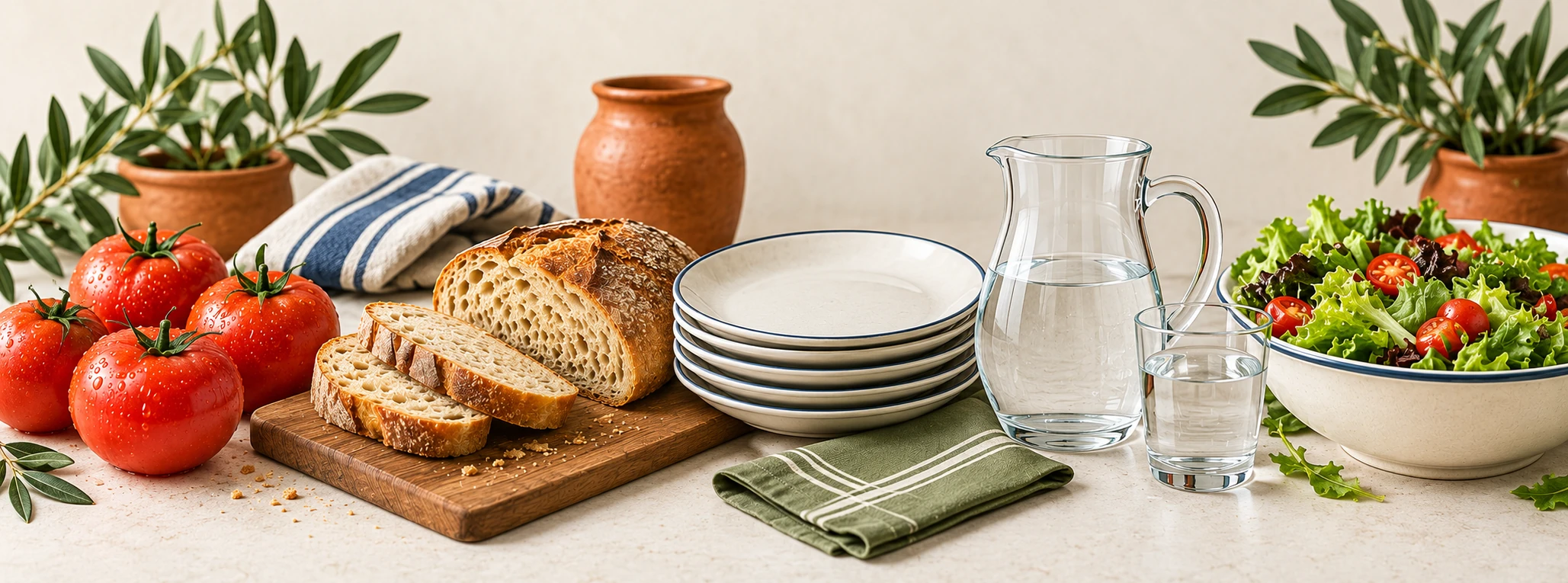
Bread, tomatoes, salad, plates and water arranged on a kitchen worktop before lunch.
Food preparation sets the context; the writing task gives each housemate’s meal and quantity. Illustration: Atelier

You have prepared lunch before going out. Three housemates will read your note when they get home. They need to identify their own meal without guessing who elle or lui refers to. Use the recipient map below to plan a clear note.

A1 · Original writing practiceNot an official exam paper

Vous préparez le déjeuner pour Lina, Hugo et Zoé. Écrivez une note de 50 à 70 mots. Lina a une salade et deux tranches de pain. Hugo a deux sandwichs au poulet. Zoé a une soupe et une pomme ; elle préfère manger sans fromage. Les repas sont dans le réfrigérateur. Signez Sam.

(50 mots minimum)

Write a 50–70-word lunch note as Sam. Identify the refrigerator location, each person’s specified food and quantities, and Zoé’s preference for no cheese.

Your answer

Nothing you write is saved or sent. Copy it before you leave.

Read a model answer

Salut tout le monde ! Le déjeuner est dans le réfrigérateur. Pour Lina, il y a une salade et deux tranches de pain. Pour Hugo, il y a deux sandwichs au poulet. Pour Zoé, il y a une soupe et une pomme. Zoé préfère manger sans fromage. Les boîtes portent vos prénoms. Servez-vous ! À ce soir, Sam.

Review your draft

Before you finish

A self-review aid, not an exam mark. Ticks are not saved.

Use a small recipient map before writing

The required details
PersonFoodQuantity or preference
LinaUne salade, du painDeux tranches de pain
HugoDes sandwichs au pouletDeux sandwichs
ZoéUne soupe, une pommeSans fromage

The model repeats Pour three times. In a practical note, that repetition helps the reader locate the right meal. You can vary the sentence later, but clear allocation matters more than avoiding a useful pattern. Keep the quantity and noun together: deux tranches de pain describes two slices, while deux pains would name two breads or loaves.

Question 1No account needed
Who has two chicken sandwiches in the task?

Choose one answer.

Answer and explanation

Hugo. Hugo is the named recipient of deux sandwichs au poulet.

Question 2No account needed
Which sentence clearly attaches the preference to the intended person?

Choose one answer.

Answer and explanation

Zoé préfère manger sans fromage.. Naming Zoé removes ambiguity about whose preference the sentence records.

Question 3No account needed
What does deux tranches de pain count?

Choose one answer.

Answer and explanation

Two slices of bread. Tranches names slices, so the quantity counts the pieces of bread rather than loaves.

After drafting, read the note once from each housemate’s position. Each reader needs a named meal, the correct amount and the relevant preference. The location and signature complete the message by explaining where to find the lunch and who prepared it.