Phrasebook

Set clear conditions before lending something in French

Use four French scenes to agree on a loan’s duration, permitted use, return and contact procedure if a problem occurs, with neutral precise wording.

In short

Agree on duration, permitted use, return details and what to do if a problem occurs. Use neutral phrases such as Pour quelle durée ?, Je préfère une remise en main propre and Contacte-moi si…. Ask the borrower to confirm the arrangement instead of assuming every limit is understood.

Yellow the idea to rememberBlue French to learn
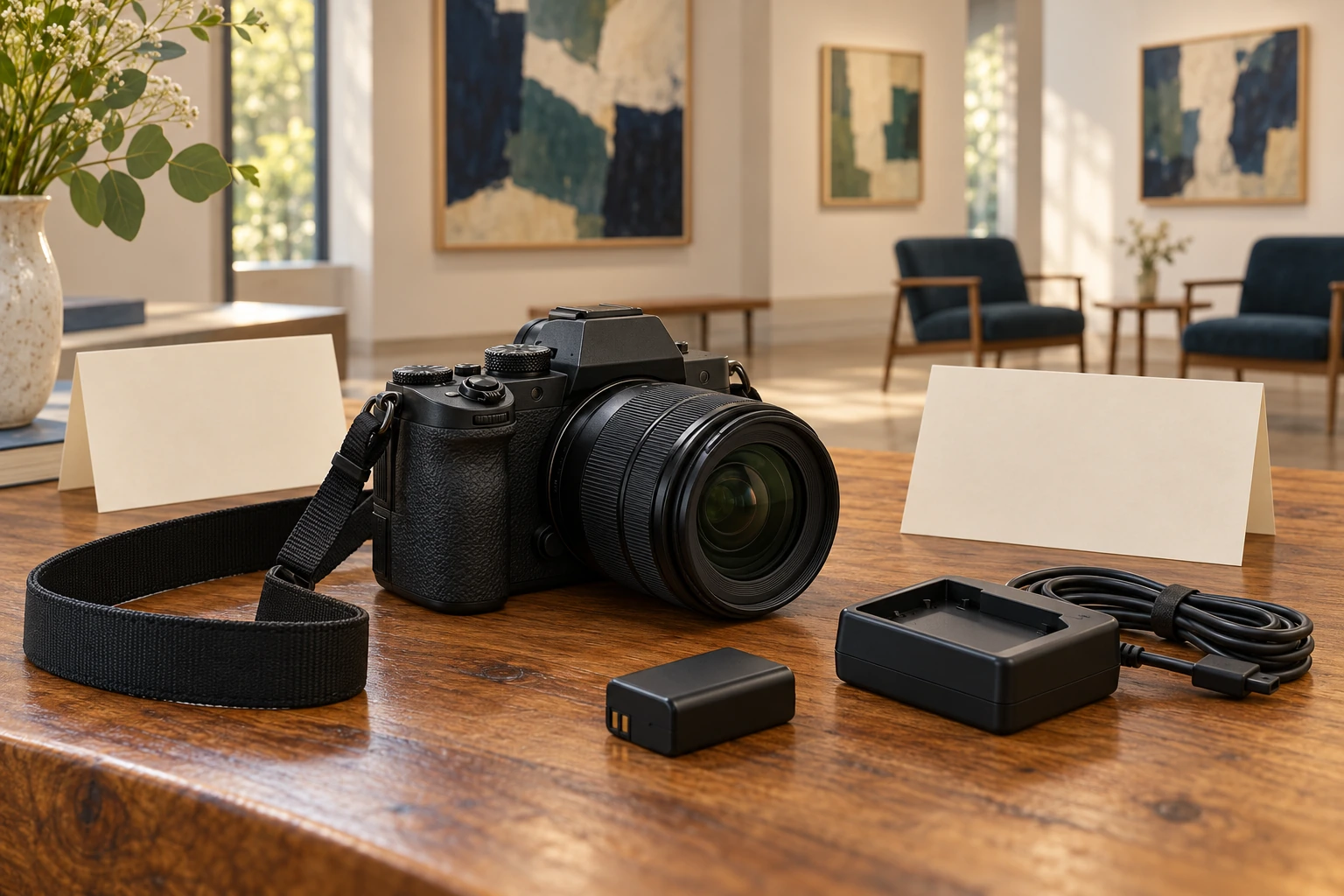
An unbranded camera, battery and charger lie beside two blank cards in a gallery.
The agreement covers the camera and its accessories, including how and when they will be returned. Illustration: Atelier

Two friends discuss a camera loan for an exhibition. The conditions are specific to this particular agreement. The scenes show how to state a preference, ask a question and turn the answer into a shared practical plan before the item changes hands.

1

Agree on the duration

Separate the collection and return times.

The borrowerPourrais-tu me prêter ton appareil photo ?Could you lend me your camera?
YouOui, pour quelle durée en aurais-tu besoin ?Yes, how long would you need it for?
The borrowerDu vendredi soir au dimanche matin.From Friday evening to Sunday morning.
YouCela me convient si tu me le rends dimanche avant dix heures.That suits me if you return it on Sunday before ten.
The borrowerD’accord, je te le rapporterai avant dix heures.All right, I’ll bring it back before ten.
YouNous pouvons noter ces horaires ensemble.We can note those times together.
2

Define the permitted use

State the limit neutrally and check understanding.

The borrowerJe voudrais l’utiliser pour photographier notre exposition.I’d like to use it to photograph our exhibition.
YouD’accord. Je préfère que tu le gardes avec toi pendant l’événement.All right. I’d prefer you to keep it with you during the event.
The borrowerUne amie pourra-t-elle l’emprunter ensuite ?Could a friend borrow it afterwards?
YouPas sans m’en parler d’abord. Le prêt est prévu pour toi et pour cette exposition.Not without discussing it with me first. The loan is for you and for this exhibition.
The borrowerJe comprends : je ne le prête pas à quelqu’un d’autre sans te demander.I understand: I won’t lend it to someone else without asking you.
YouExactement, merci.Exactly, thank you.
3

Plan the return

Name the items and place, not only a day.

YouAu retour, rapporte aussi la batterie et le chargeur.When returning it, bring the battery and charger too.
The borrowerJe peux tout laisser devant ta porte ?Can I leave everything outside your door?
YouJe préfère une remise en main propre pour vérifier les éléments ensemble.I prefer a personal handover so we can check the items together.
The borrowerAlors, chez toi dimanche à neuf heures trente ?Then at your home on Sunday at nine thirty?
YouOui. Préviens-moi si tu as du retard.Yes. Let me know if you are delayed.
The borrowerJe note aussi le chargeur pour ne pas l’oublier.I’ll note the charger too so I don’t forget it.
4

Agree what to do if there is a problem

Ask for early contact before an improvised repair.

The borrowerQue dois-je faire si un problème apparaît ?What should I do if a problem arises?
YouContacte-moi en décrivant ce que tu constates.Contact me and describe what you notice.
The borrowerMême si je ne sais pas ce qui l’a causé ?Even if I don’t know what caused it?
YouOui. N’essaie pas de démonter l’appareil ou de remplacer une pièce sans qu’on en parle.Yes. Don’t try to dismantle the camera or replace a part without discussing it.
The borrowerD’accord, nous déciderons de la suite ensemble.All right, we’ll decide what comes next together.
YouMerci. Je t’envoie le résumé des conditions que nous venons de fixer.Thank you. I’ll send you a summary of the conditions we have just agreed.

A return day can still leave a time unclear

Dimanche matin is broader than avant dix heures. The first scene narrows the window because the owner needs the item back by then. The later scene chooses 9 h 30 for a handover inside that window. Those details work together rather than changing the original deadline silently.

Name the loan and any further permission separately

The borrower asks about lending to a friend instead of treating possession as authorisation. The owner limits the present loan to the borrower and exhibition, leaving any later use for another discussion. A neutral explanation of scope avoids guessing what an unspoken “of course” would include.

If a problem occurs, the final scene asks for a description before an improvised repair. It does not decide fault or a replacement cost in advance. A written summary can preserve what was actually agreed: the item, accessories, use, deadline and contact step.

For another item, adapt the relevant details rather than copying every condition automatically. A book, bicycle and camera may need different practical arrangements. The useful French pattern is making the specific agreement visible and asking for confirmation.

Built from