Common mistakes
French p and b: four fixes with pain, bain, port and bord
Keep the vowel steady in pain/bain and port/bord. Correct four common p/b pronunciation mistakes, use picture cards and check the lip closure and release.
- A1
- 4 corrections
- Examples and fixes
- Learn this in the A1 notebook →
In short
French /p/ and /b/ both start with a brief closure of both lips. /p/ is voiceless and /b/ is voiced. In pain /pɛ̃/ and bain /bɛ̃/, keep the nasal vowel the same and change the first consonant: this pair practises /p/ versus /b/.
Yellow the idea to rememberBlue French to learn
How do you pronounce p and b in French?
- pain /pɛ̃/ · bain /bɛ̃/Change the nasal vowel to make the difference.Keep /ɛ̃/; change /p/ to /b/.
Je voudrais du pain.I’d like some bread.
Pain is bread; bain is a bath. Both words finish on the same nasal vowel. Put your attention on the first lip closure and release.
- port /pɔʁ/ · bord /bɔʁ/Drop the final /ʁ/ in one of the words.Keep /ɔʁ/ in both; change the first consonant.
Le bateau est dans le port.The boat is in the harbour.
Port means harbour; bord means edge or side. Both retain /ʁ/. Their final written t and d are silent in these words.
- /p/ dans painRelease with a strong English-style puff.Use a short, clean release into the vowel.
Le pain est encore chaud.The bread is still warm.
French /p/ generally has less aspiration than the /p/ at the start of a stressed English word such as “pie”. Close, release and move into /ɛ̃/.
- /b/ dans bainLet the air hiss between lip and teeth.Close both lips briefly, then release.
Je prends un bain.I’m having a bath.
Lip-and-teeth friction gives /v/. For /b/, bring the two lips together and keep the gesture brief. Compare bain /bɛ̃/ with vain /vɛ̃/ to locate the difference.
Attach the sound to something you can see
Find:
| Start with /p/ | Start with /b/ | Keep this part |
|---|---|---|
| pain /pɛ̃/ | bain /bɛ̃/ | /ɛ̃/ |
| port /pɔʁ/ | bord /bɔʁ/ | /ɔʁ/ |
Try the first row slowly, then in phrases: du pain, un bain. Keep the vowel long enough to notice that it stays the same. Next try le port, le bord. This second pair uses an oral vowel and a final /ʁ/, so it gives the consonant contrast a different setting.
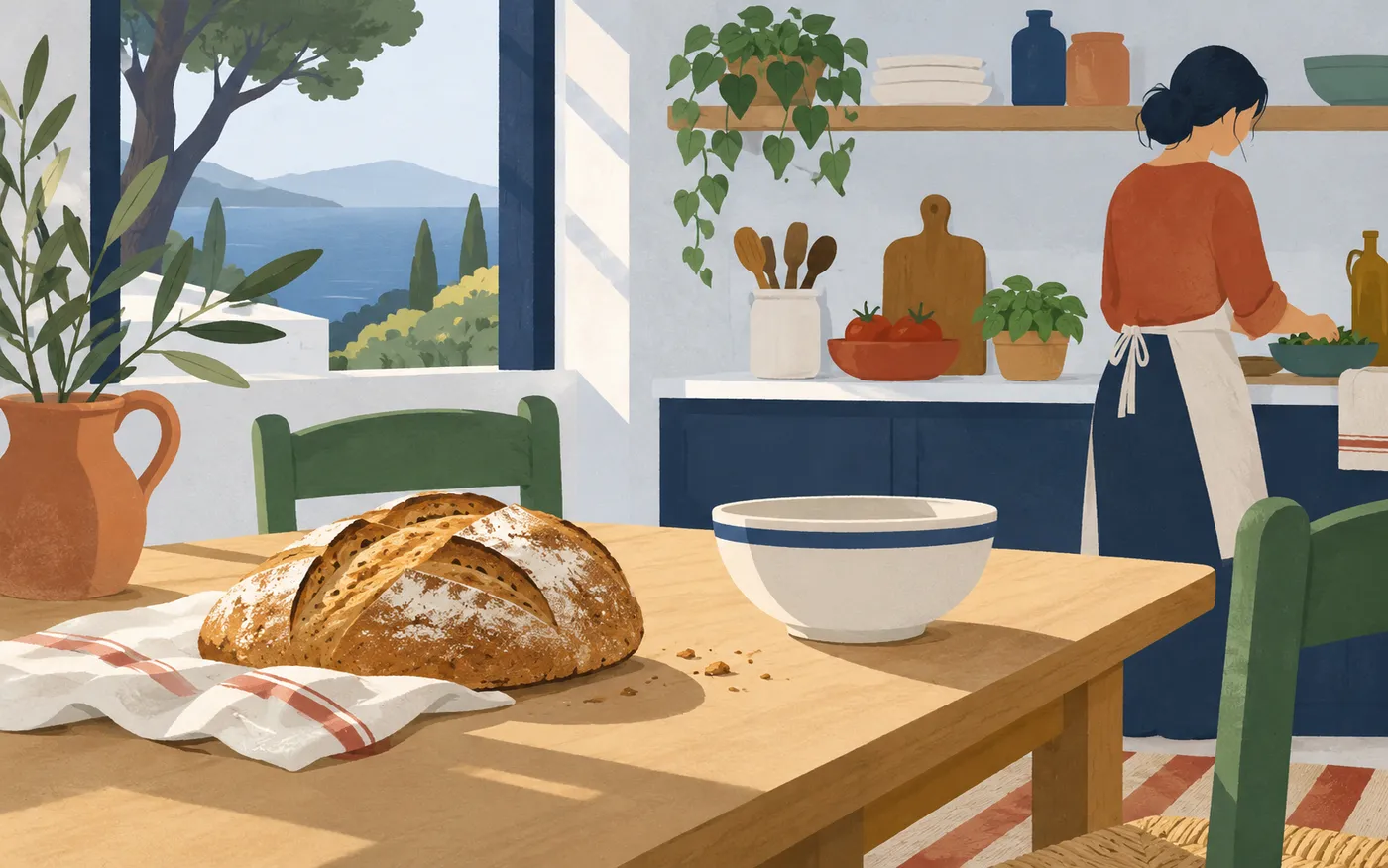
Le bol est au bord de la table, près du pain.
The bowl is at the edge of the table, near the bread.
Three useful starts: /b/ in bol, /b/ in bord, then /p/ in pain. Close both lips each time.
For a quick spoken comparison, ask a partner to choose one word from a row while you look away from the spelling. Then swap roles. If the pair becomes unclear, return to the shared ending first and keep it steady while you change the initial consonant.