109 pages
Common mistakes
Common mistakes for learners of French, from A1 to C2.

DELF, DALF & examsCommon mistakesB1
Compare pourrait, prévue, confirmée and a eu lieu. Correct five common overreadings, then test whether a paraphrase keeps the event’s status.
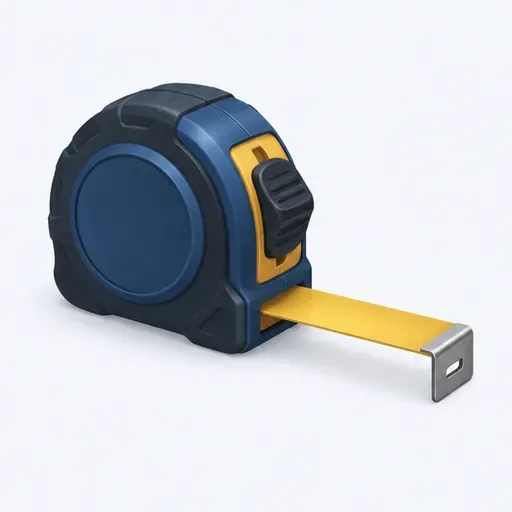
Everyday FrenchCommon mistakesA2
Ask a neighbour to lend you a tool in French. Compare emprunter and prêter, name four tools, agree a return time and check a change to the arrangement.

Words & expressionsCommon mistakesB1
Choose compréhensif for an understanding person, complet or exhaustif for coverage, and compréhensible for clear explanations. Practise repairs.

Grammar & usageCommon mistakesA2
Compare a few, several and some members of a group. Fix de after quelques, feminine certaines and the pronoun quelques-unes, then check your choices.

Culture & registerCommon mistakesB2
Give an object back with rendre or restituer, then separate rendre service, rendre plus clair and restituer une atmosphère through examples and a quiz.
Verbs & tensesCommon mistakesB1
Compare past obligations, planned meetings and “must have” in French. Four devoir contrasts, a short exchange and a quiz make the meanings concrete.

Pronunciation & listeningCommon mistakesA2
Brun and brin can sound alike or differ by one nasal vowel. Sort the meanings, compare un with une, and fix three common pronunciation assumptions.

Reading & writingCommon mistakesC1
Replace heavy French wording with precise formal sentences. Six before-and-after examples show how to keep the actor, action, exceptions and commitment.

DELF, DALF & examsCommon mistakesB2
Build a French argument with a claim, a concrete example and an explanation. Fix four common gaps between a case and the conclusion it supports.

Everyday FrenchCommon mistakesC1
Use réserve, consigner and lever une réserve accurately in French meetings. Practise a qualified view and choose a faithful wording for the minutes.

Words & expressionsCommon mistakesB1
Une affaire means a deal, a bargain, a case or a business; an affair (romantic) is une liaison. Learn the meanings of affaire and affaires with examples.

Grammar & usageCommon mistakesA2
Choose lui or leur for a recipient, compare them with le/la/les, and fix penser à elle, pronoun position and the spelling of leur.

Culture & registerCommon mistakesB1
Avoid three traps with causer and parler. Compare talking with someone, talking about a topic and causing an effect, then answer four questions.
Verbs & tensesCommon mistakesB1
J’ai failli means “I almost”, not “I failed to”. Follow a near miss, compare the actual outcomes and check failli plus an infinitive in three questions.
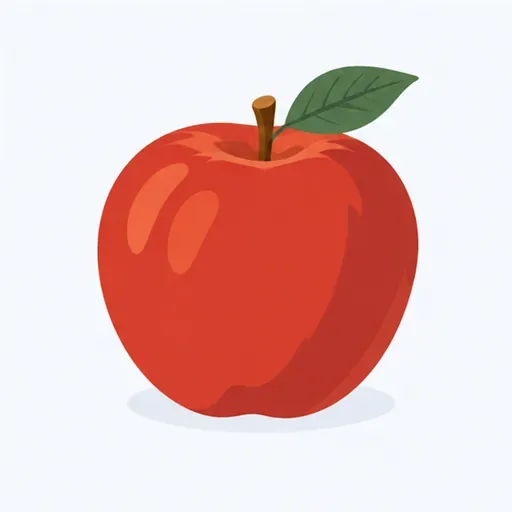
Pronunciation & listeningCommon mistakesB1
Double French letters usually do not mean a longer consonant. Compare pomme, tasse, coussin and ville, with picture examples and four checks.

Reading & writingCommon mistakesC1
Use comparable, aussi… que and revient au même precisely in French. Compare two museum tours, repair overbroad conclusions and check your reasoning.

DELF, DALF & examsCommon mistakesB1
A true detail can hide a wrong condition or cause. Split French answer options into claims, compare the evidence and try four short reading checks.

Everyday FrenchCommon mistakesB2
Translate employee benefits accurately: compare bénéfices, avantages and avantages sociaux, read a job package and correct misleading workplace sentences.

Words & expressionsCommon mistakesA2
Compare hard bread, difficult instructions, a tough day and working hard. Practise dur, dure, durs and dures, with pictures and four quiz questions.

Grammar & usageCommon mistakesA2
Say no questions, no messages and none in French. Fix four common aucun/aucune errors, then check noun gender, singular forms and en.
Culture & registerCommon mistakesB2
Use effectuer for checks, calculations and repairs, keep faire in everyday expressions, and practise clear rewrites with three focused questions.

Verbs & tensesCommon mistakesB1
Compare going out with taking something out, going upstairs with carrying luggage up, and calling round with spending time. Five fixes and a quiz.

Pronunciation & listeningCommon mistakesA1
Keep fish apart from poison and a cushion apart from a cousin. Compare s and z, learn the common s/ss spelling pattern and try four checks.

Reading & writingCommon mistakesC1
Spot added approval, stronger reporting verbs and lost source judgements. Repair four French summary mistakes using a committee’s request for more time.

Words & expressionsCommon mistakesB1
Learn 12 more French false friends with examples and the English meaning you need: prévenir, achever, la lecture, un stage, un délai and more.

Grammar & usageCommon mistakesB2
Keep the meaning of unless clear, use the subjunctive after à moins que and distinguish formal ne from a real negative with pas.

Culture & registerCommon mistakesB2
Ask for help, seek an opinion and write a clear request in French. Compare solliciter and demander, including question clauses and English false friends.
Verbs & tensesCommon mistakesB1
Fix dangling French gérondifs by naming the actor. Four corrections cover objects, passive clauses and two different people, followed by a short quiz.

Pronunciation & listeningCommon mistakesA2
Keep fille /fij/ and ville /vil/ apart. Work through five spelling traps, compare mille and tranquille, and test the endings in bouteille and travail.

Words & expressionsCommon mistakesA2
To introduce a person in French, use présenter: je te présente Marc. Introduire means to insert or bring in. See the difference with examples and corrections.