109 pages
Common mistakes
Common mistakes for learners of French, from A1 to C2.
All page types 29
Learn and look up
Practise
Play with words
Read real French
Grammar & usageCommon mistakesA1
How to say "I agree" in French (not je suis agree)
"I agree" is je suis d'accord, never je agree or j'agrée. Learn d'accord, être d'accord avec, and how to agree partly or disagree politely.
Words & expressionsCommon mistakesA2
Visage or figure: face, shape and the English figure trap
Describe a face with visage or figure, recognise a diagram and a public figure, and choose silhouette or chiffre for other English uses of figure.
Words & expressionsCommon mistakesB1
Actuellement or maintenant? Currently, now and actually
Use actuellement for a current situation and maintenant for now. Compare overlapping uses, correct the actually false friend and answer four questions.
Words & expressionsCommon mistakesA2
Demander or poser une question? Four ways to ask in French
Ask for information, ask a question or ask someone to call back. Compare four French patterns, then choose the right wording in a short quiz.
Words & expressionsCommon mistakesA2
Un coin means a corner: avoid the English "coin" trap
In French, un coin is a corner, and a coin is une pièce (de monnaie). Learn coin, pièce, angle and quartier with examples, idioms and a correction exercise.
Words & expressionsCommon mistakesB1
Fournitures means supplies: French office vocabulary without the trap
Distinguish fournitures, meubles, mobilier and matériel in French office orders. Learn eight pictured items and repair purchasing requests.
Words & expressionsCommon mistakesA2
Confus or perdu? Saying you're confused in French
Je suis confus often means "I'm embarrassed, sorry", not "I'm confused". To say you don't follow, use je suis perdu, je ne comprends pas or je m'y perds.
Words & expressionsCommon mistakesA2
Assister à or aider? Attend the event, help the organiser
Learn assister à for attending and aider for helping. Compare three sentence patterns, practise a workshop scene and check the formal assistance sense.
Words & expressionsCommon mistakesA2
Envier or avoir envie de? Envy and wanting in French
Avoir envie de means to want or feel like; envier means to envy. Compare the two with examples, typical English-speaker mistakes and a short check.
Words & expressionsCommon mistakesB2
Concurrence, compétition or concours? Translate competition in French
Choose concurrence for market rivalry, compétition for a sporting event and concours for a judged or selective contest. Practise the patterns.
Words & expressionsCommon mistakesB1
Éventuel, possible and éventuellement: keep the meaning of “perhaps”
Éventuel and possible both leave an option open. Compare their sentence patterns, avoid the eventually false friend and check five job-planning examples.
Words & expressionsCommon mistakesA2
Location means rental: choose lieu or endroit for a place in French
French location means rental. Compare it with lieu, endroit and emplacement, read a flat-viewing exchange and practise asking where something is.
Words & expressionsCommon mistakesA2
Faute or erreur: a mistake, a correction or your fault?
Compare faute and erreur through a corrected message, spelling examples and a short quiz. Learn par erreur, faute d’accord and c’est ma faute.
Words & expressionsCommon mistakesA2
Neuf or nouveau? Four mistakes about new things in French
Distinguish unused things from things that are new to you. Fix four common confusions, learn nouvel and neuve, and practise with pictures.
Words & expressionsCommon mistakesB1
Une issue is not an issue: exits, outcomes and problems
In French, une issue is a way out or an outcome: issue de secours (emergency exit), l'issue du match. An issue (problem) is un problème or une question.
Words & expressionsCommon mistakesB1
Réaliser or accomplir: projects, achievements and “I realised”
Learn réaliser un projet, accomplir une tâche and réaliser que. Compare common English translation traps and check your choices in four questions.
Words & expressionsCommon mistakesA2
Une balance is not your balance: scales, equilibrium and accounts
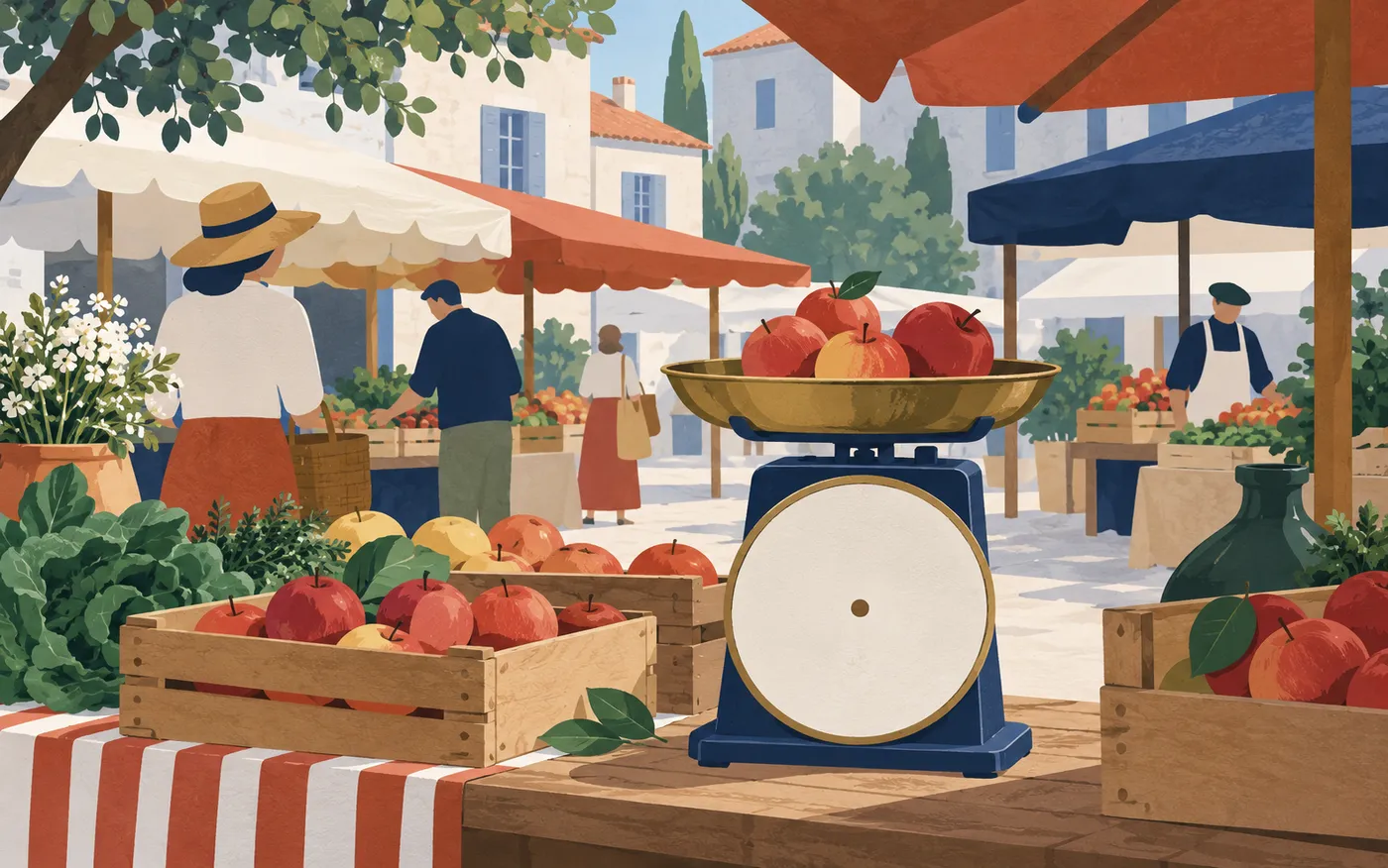
In French, une balance is a set of scales. Your bank balance is le solde, and keeping your balance is l'équilibre. Learn the right word in each situation.
Words & expressionsCommon mistakesA2
French adjective pairs: tired or tiring, kind or friendly?
Choose between fatigué and fatigant, ennuyé and ennuyeux, gentil and sympa. See how the meaning changes, then practise five contextual questions.
Words & expressionsCommon mistakesA2
Identifiant or mot de passe? Read a French login form
Separate a French account identifier from its password. Read login fields, distinguish signing in from signing up and practise common form messages.
Words & expressionsCommon mistakesA2
Actuel means current: avoid the French actual / actuel trap
Actuel means current; réel means real or actual. Compare programme updates, actual costs, actuellement and en réalité, then test four common traps.
Words & expressionsCommon mistakesA2
French noun gender surprises: la plage, le problème, la photo and more
Check 16 French nouns whose endings can mislead you, including la plage, le musée and l’eau, with adjective clues and a five-question gender quiz.
Words & expressionsCommon mistakesA2
Lecture or conférence: reading a text or giving a talk?
French lecture means reading. Learn when an English lecture is une conférence, un cours or un exposé, with event examples, picture prompts and a short quiz.
Words & expressionsCommon mistakesA2
Résumé means summary in French: use CV for a job application
Avoid the résumé false friend. Compare a French summary, a CV and a covering letter, then choose the right document in three short tasks.
Words & expressionsCommon mistakesB2
Une expertise in French: expert knowledge or an assessment?
Interpret expertise in professional French: distinguish know-how, a commissioned assessment and its report, then translate six short workplace extracts.
Words & expressionsCommon mistakesB1
Capable or compétent: four French mistakes to fix
Use capable de for an action and compétent for skills in a field. Fix four common confusions, check adjective agreement and practise the patterns in context.
Words & expressionsCommon mistakesA2
Pinceau or brosse? Choose the French word for your brush
Compare paintbrushes, hairbrushes and toothbrushes with picture cards, a painting scene and a quiz. Learn pinceaux and the overlap in painting terms.
Words & expressionsCommon mistakesA2
French sensible means sensitive: choose sensible or raisonnable
Avoid the English sensible trap. Compare a sensitive person, a sensible decision and a noticeable improvement, then choose the phrase you mean.
Words & expressionsCommon mistakesA2
Billet or ticket? French ticket words and four translation traps
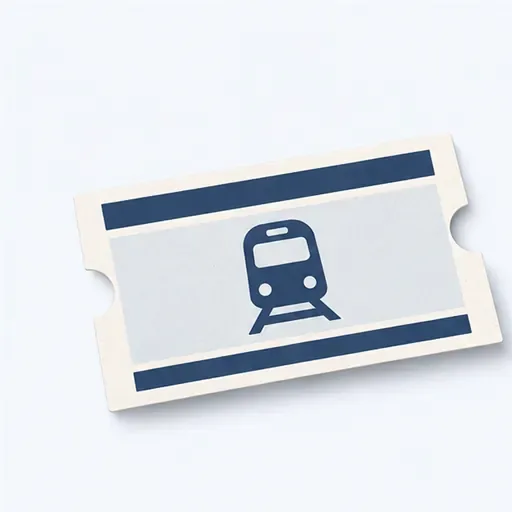
Learn billet de train, ticket de caisse and billet de dix euros. Picture the documents, fix four translation traps and test your choices.
Words & expressionsCommon mistakesA2
Descendre or baisser? Four French “down” mistakes to fix
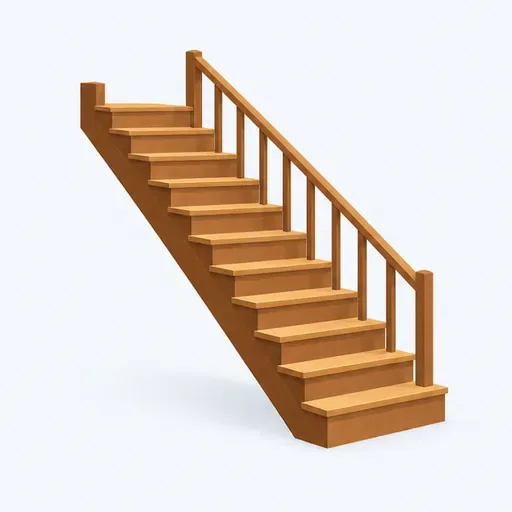
Go downstairs, get off a train, turn down the radio or bend down. Learn descendre and baisser through four corrections, picture cards and a quiz.
Words & expressionsCommon mistakesA2
Propre or sale: clean, dirty and your own things in French
Compare clean and dirty objects, then see how sa propre chambre means her own room. Four picture cards, adjective agreements and a short French quiz.
Words & expressionsCommon mistakesB1
Entreprise or société: four translation traps about companies and society
Both entreprise and société can mean a company. Learn when société means society and entreprise means an undertaking, with examples and a quiz.
Words & expressionsCommon mistakesB1
Prétendre means claim: use faire semblant for pretending
Avoid the English pretend trap. Compare prétendre and faire semblant de through claims, a theatre scene and four French word-choice questions.
Words & expressionsCommon mistakesB2
Assumer or supposer? How to translate “assume” into French
Choose assumer for responsibility and supposer for an unverified belief. Compare workplace examples, repair misleading translations and test five decisions.
Words & expressionsCommon mistakesB1
Éditeur or rédacteur: which French word means editor?
Match French publishing roles to their tasks: éditeur, rédacteur, rédacteur en chef and correcteur. Then distinguish the software term éditeur de texte.
Words & expressionsCommon mistakesB2
Ignorer in French: not knowing or deliberately ignoring?
Read ignorer accurately in emails and conversations. Contrast missing information with deliberate disregard, then interpret and repair six contextual examples.
Words & expressionsCommon mistakesB2
Préjudice or préjugé? Harm, prejudice and bias in French
Distinguish préjudice, préjugé, biais and dommage with social and formal examples. Correct translations about harm, judgements and loss.