Passive, on or a named subject? Choose what the reader needs
Compare three French versions of the same event, keep a known actor visible, and practise passive agreement without changing who did what.
In short
Name the subject when the reader needs to know who acted. Use a passive to keep the affected person or thing at the start; add par + name when the actor matters too. Use on for people understood from context or left indefinite.
Yellow the idea to rememberBlue French to learnRed watch out
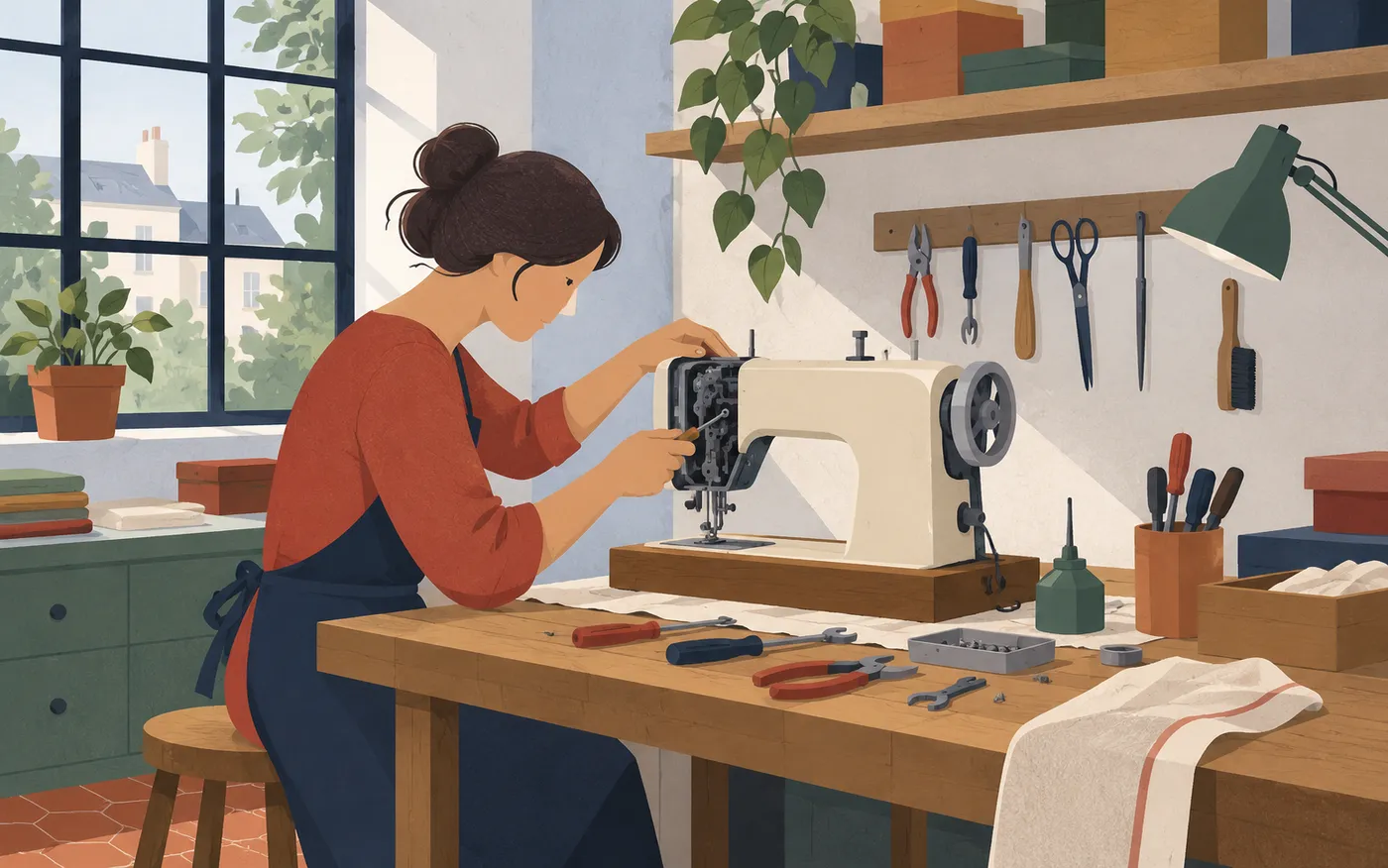
Passive or on: which should you use in French?
Nora a réparé la machine.Nora repaired the machine.
Focus: Nora and her work
sujet nommé + verbe actif
On a réparé la machine.Someone repaired the machine.
Focus: a human action, with the actor left unnamed here
on + verbe actif
La machine a été réparée par Nora.The machine was repaired by Nora.
Focus: the machine, while retaining Nora’s name
sujet + a été + participe passé + par
The passive and the named active sentence both tell you that Nora did the repair. The on sentence leaves that name out in this context. If a colleague asks who repaired it, the named versions answer the question.
Two paragraphs from the same facts
La machine est ancienne. Elle a été réparée hier par Nora. Elle fonctionne à nouveau.
The machine is old. Nora repaired it yesterday. It works again.
The machine stays the topic. Each elle refers to it.
Nora a réparé la machine hier. Elle a ensuite vérifié les réglages.
Nora repaired the machine yesterday. She then checked the settings.
Nora stays the topic. The second sentence follows her next action.
Who does on mean here?
| Context | French | Reading of on |
|---|---|---|
| Members of a team describe their work. | Dans notre équipe, on vérifie chaque dossier. | We check every file. |
| The speaker has heard a report but names no source. | On m’a dit que la réunion était annulée. | Someone told me. |
| A description gives a general practice. | En France, on conduit à droite. | People in general. |
On takes a third-person singular verb: on vérifie, on a réparé. Its reference comes from the situation. If a report needs a particular team’s responsibility, name the team: L’équipe technique a vérifié les réglages.
Keep the cause and the agreement
La tempête a endommagé le toit. Le toit a été endommagé par la tempête.
The storm damaged the roof. The roof was damaged by the storm.
Both versions preserve the storm as the cause. On a endommagé le toit would suggest people.
| Subject | Completed event |
|---|---|
| la machine | La machine a été réparée. |
| les machines | Les machines ont été réparées. |
| le dossier | Le dossier a été vérifié. |
| les dossiers | Les dossiers ont été vérifiés. |
A general property uses a different frame: Ce tissu se lave facilement means the fabric washes easily. Ce tissu a été lavé hier reports one wash yesterday. Choose the version that matches the kind of information you have.