French food labels decoded: AOP, Label Rouge, bio and the code on your eggs
What the logos on French food actually promise: where it comes from, how it was raised, and how to read the number stamped on an egg. Tap a logo to decode it.
French food carries official quality marks. AOP is about place, Label Rouge about taste and method, AB about organic farming. They are controlled by the state, unlike words such as artisanal or fermier on their own.
Yellow the idea to rememberBlue French to learn
Which mark are you looking at?
The packet says…
AOP
Appellation d’origine protégée
une appellation d’origine protégée
Made, start to finish, in one named area by a fixed method. Roquefort, comté, Bresse chicken, Espelette pepper. The red and yellow European logo.
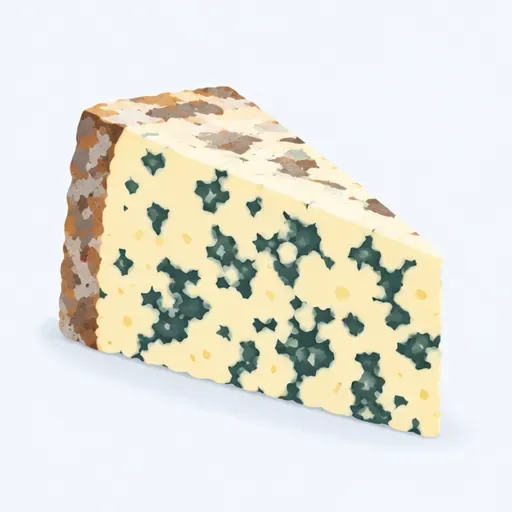 le roquefortroquefort
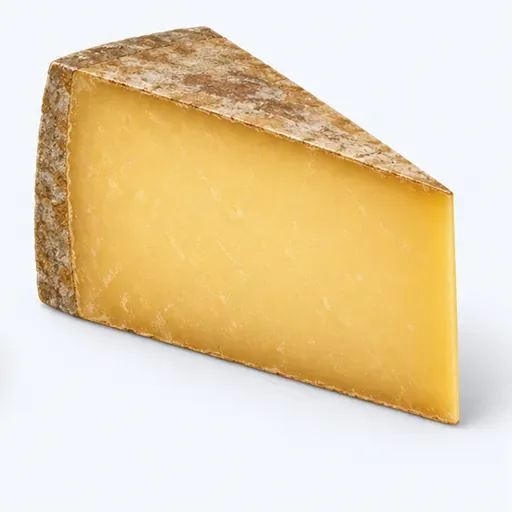 le comtécomté
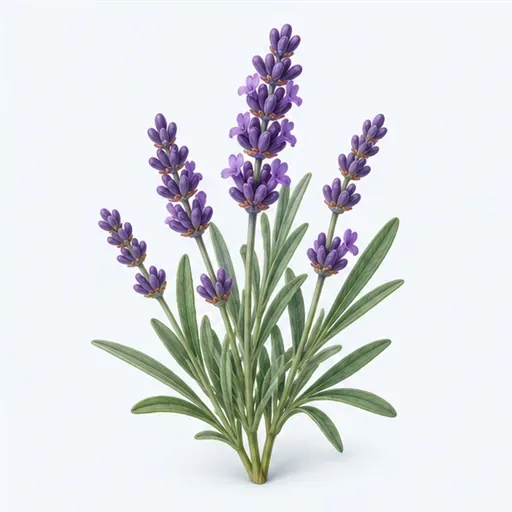 la lavande de Haute-Provencelavender oil
- Promises
- Raw materials, production and ageing all in the named area, by a written method.
- Does not promise
- Organic farming, or small-scale production.
- Where you see it
- Cheese, wine, butter, olive oil, some meat and vegetables.
- AOC is the French version of the same promise, still used for wine.
💬« C’est une AOP ? » Is it an AOP?
IGP
Indication géographique protégée
une indication géographique protégée
Linked to a region, but only one stage has to happen there. Blue and yellow logo. Bayonne ham is an example.
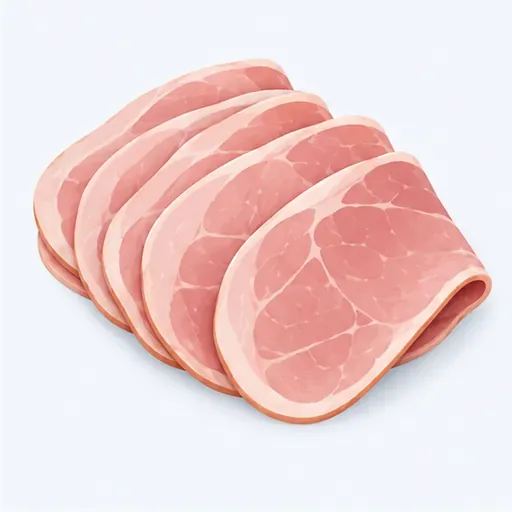 le jambon de BayonneBayonne ham
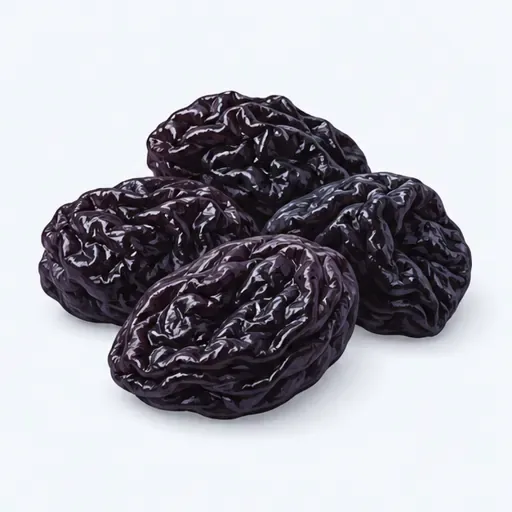 le pruneau d’AgenAgen prune
- Promises
- A real link to the region and at least one stage of production there.
- Does not promise
- That the raw ingredients come from there.
- Where you see it
- Hams, poultry, fruit, regional wines marked IGP instead of vin de pays.
💬« Ça vient d’où ? » Where does it come from?
Label Rouge
Label Rouge
le Label Rouge
A French mark for higher quality than the standard product: slower-grown chicken, better-fed salmon. It says nothing about where.
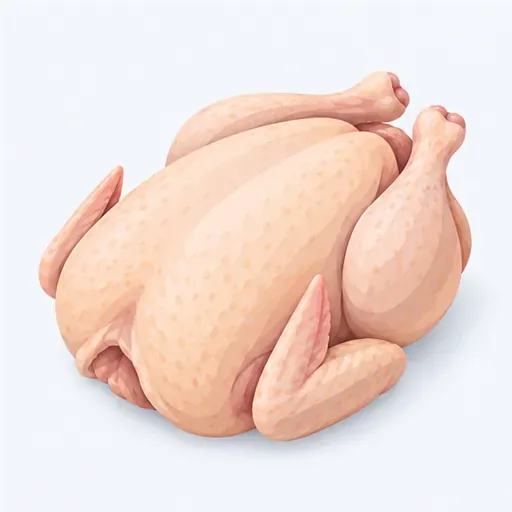 le poulet fermierfree-range chicken
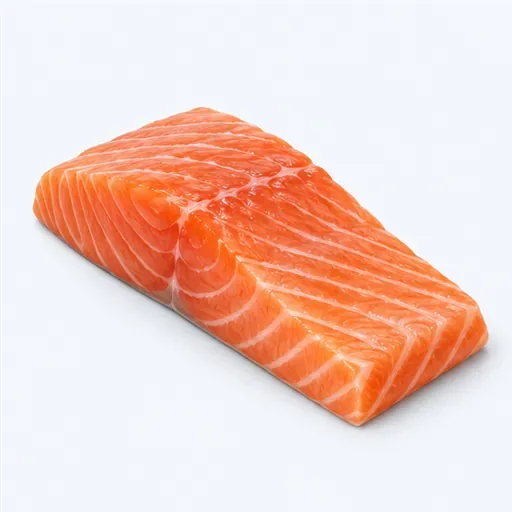 le saumonsalmon
- Promises
- Better taste than the standard product, checked by tasting panels, and stricter rearing rules.
- Does not promise
- Any particular origin, or organic methods.
- Where you see it
- Chicken above all, then eggs, salmon, sausages, flour.
💬« Un poulet Label Rouge, s’il vous plaît. » A Label Rouge chicken, please.
AB
Agriculture biologique
le bio
Organic. The green AB logo and the European green leaf mean the same rules.
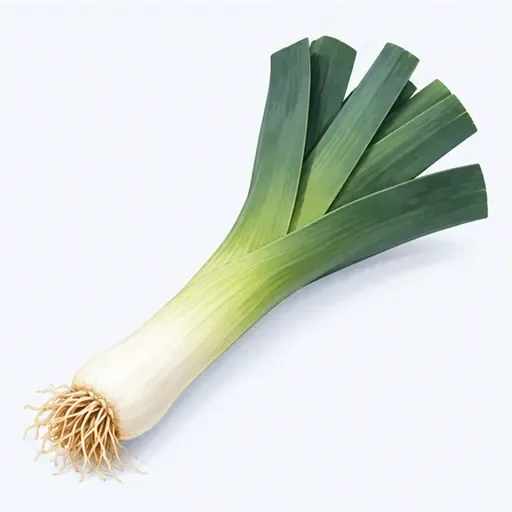 les légumes bioorganic vegetables
 les fruits bioorganic fruit
- Promises
- No synthetic pesticides or fertilisers, no GMOs, and animal-welfare minimums.
- Does not promise
- Local origin: organic food can travel far. Check origine.
- Where you see it
- Everywhere, and in dedicated shops such as Biocoop.
💬« Vous avez des œufs bio ? » Do you have organic eggs?
Nutri-Score
Nutri-Score, A to E
le Nutri-Score
A nutrition grade from green A to red E, comparing products of the same kind. Voluntary, so not every brand shows it.
- Tells you
- How one breakfast cereal compares with another on sugar, salt, fat, fibre and protein.
- Does not tell you
- Whether the food is processed, or how much of it to eat. Olive oil and cheese score poorly and are still part of a good diet.
- Where you see it
- On the front of packets from brands that chose to show it.
💬« C’est Nutri-Score B. » It is rated B.
A code on the egg
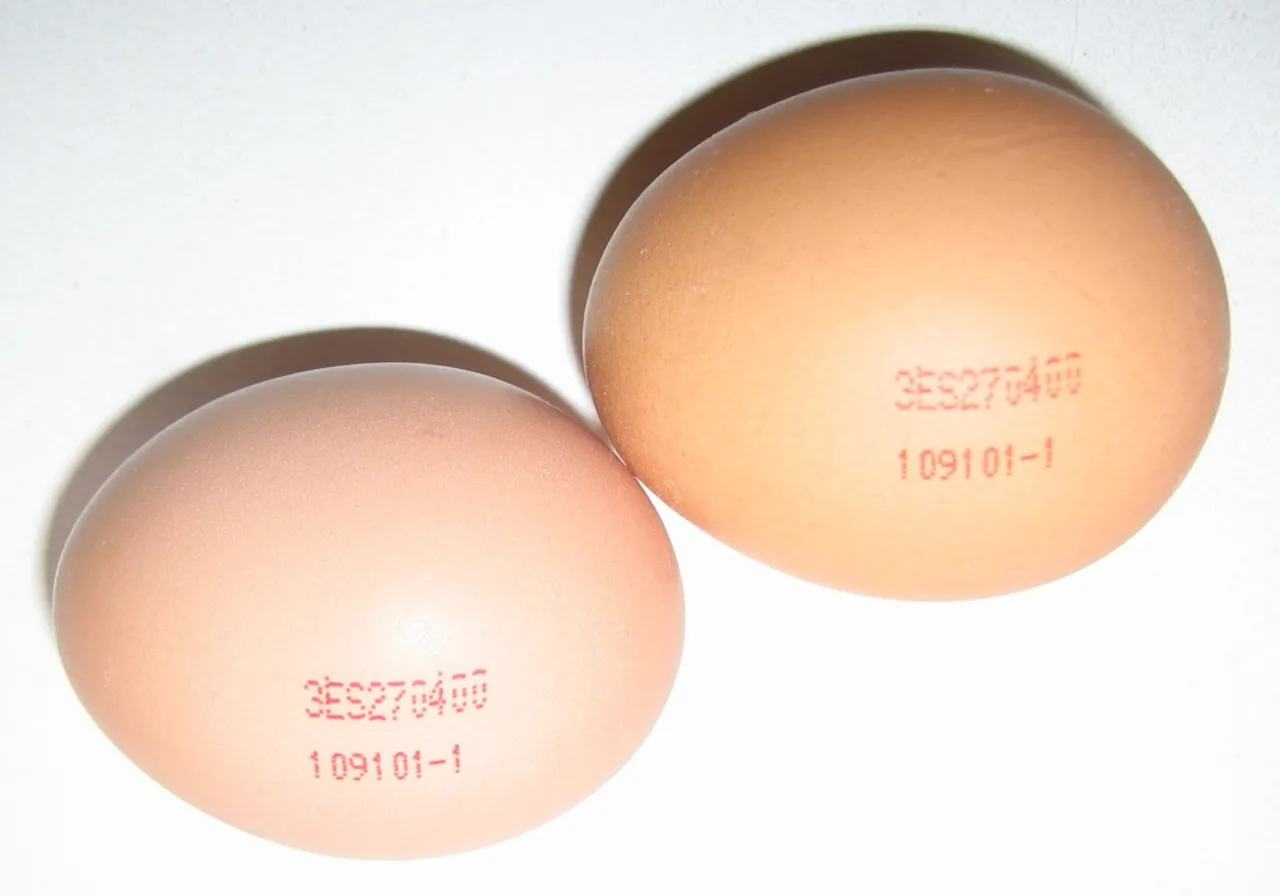
The first digit is how the hen lived
le code sur l’œuf
Every egg is stamped, for example 1FR… Read the first digit.
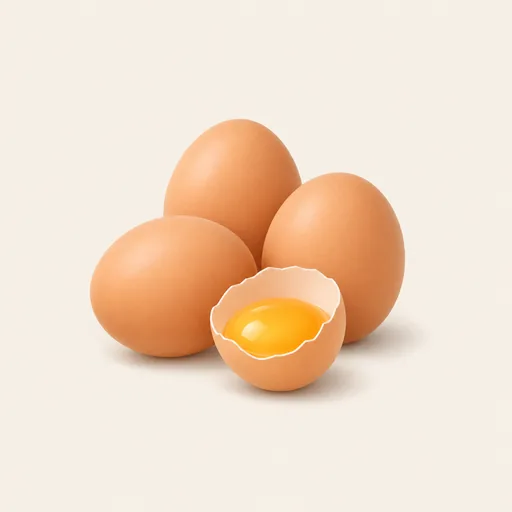 les œufseggs
- Where
- Stamped in red on the shell itself, and on the box.
- Dates
- DCR is the best-before date, 28 days after laying. Extra frais means under nine days old.
- At the market
- Loose eggs are sold by six or by the dozen: une demi-douzaine, une douzaine.
- 0 organic, bio
- 1 free-range, plein air
- 2 barn, au sol
- 3 caged, en cage
- FR laid in France
💬« Une douzaine d’œufs de plein air. » A dozen free-range eggs.
Two dates that are not the same
- À consommer jusqu’au
A use-by date, la DLC, on meat, fish and fresh dairy. After it, do not eat it.
- À consommer de préférence avant
A best-before date, la DDM, on dry goods and tins. After it, quality drops but the food is safe.
- Fait maison
On a menu, a small saucepan-with-a-roof logo means the dish was cooked on the premises from raw ingredients.
- Origine France
Meat must show where the animal was born, raised and slaughtered: né, élevé, abattu en France.
Words that sound official and are not
| French | What it really tells you |
|---|---|
| artisanal | made by a craftsperson’s business; no rule on recipe |
| fermier | made on a farm; controlled for cheese, poultry and eggs |
| à l’ancienne | old-style: a marketing phrase |
| recette traditionnelle | no legal meaning |
| sans sucres ajoutés | no sugar added, but the food may be sweet |
Colour codes and numbers on everyday packets
Some of the most useful information in a French supermarket is not a logo at all. It is the colour of a cap or a number on a bag.
| On the shelf | What it tells you |
|---|---|
| Milk: red, blue or green cap | Red is whole milk, entier. Blue is semi-skimmed, demi-écrémé. Green is skimmed, écrémé. |
| Flour: T45, T55, T65… | How refined it is. T45 for cakes and pastry, T55 for everyday use, T65 for bread; T110 and above is wholemeal. |
| Butter: doux or demi-sel | Unsalted or lightly salted. Demi-sel is the default in Brittany. |
| Cream: épaisse, liquide, légère | Thick and slightly sour; pouring; reduced fat. Only cream with 30% fat or more will whip. |
| Eggs: the stamp on the shell | 0 organic, 1 free-range, 2 barn, 3 cage, then FR and the farm’s code. |
| Water: plate or gazeuse | Still or sparkling. |
Where the meat comes from
- Né, élevé, abattu
Fresh meat must say where the animal was born, raised and slaughtered. Three times France is the short answer you are looking for.
- The blue, white and red logos
Viande bovine française, Le Porc Français, Volaille française: trade marks that certify all three stages took place in France.
- Fermier, on poultry
On a chicken the word is regulated: a slow-growing breed raised outdoors. Elsewhere, fermier promises much less.
- Haché: the percentage
Minced beef states its fat content: 5%, 15% or 20%. The lower the figure, the drier the burger.
Allergens, and the app everyone uses
- Fourteen, always highlighted
Gluten, eggs, milk, nuts, peanuts, soya, fish, shellfish, celery, mustard, sesame and a few more must be printed in bold or capitals in the ingredients list.
- Peut contenir des traces de…
“May contain traces of”. A warning about the factory, added by the maker’s choice.
- In restaurants
The allergen list must be available in writing. Ask: Vous avez la liste des allergènes ?
- Scanning apps
Many French shoppers scan barcodes with an app such as Yuka, which grades a product from its label. The grade is the app’s opinion; the label is the fact.
The labels at a glance
What each mark promises
- AOP
Appellation d’origine protégée: made from start to finish in one named area, by its recognised method.
The strictest link to a place. Most famous cheeses carry it. - IGP
Indication géographique protégée: at least one stage of production happens in the area.
A looser link to place than AOP. - Label Rouge
A French mark for higher quality than the standard product of the same kind.
About taste and rearing, not about place. - AB
Agriculture biologique: organic.
Often shown beside the green EU leaf. - 0 · 1 · 2 · 3
The first digit stamped on an egg: 0 organic, 1 free-range, 2 barn, 3 cage.
Read the shell, not the box.
The back of the packet, line by line
1Ingrédients : farine de blé, sucre, œufs, beurre (lait)…
2À consommer de préférence avant le : 03/2027
3Poids net : 250 g
4Fabriqué en France
- In order of weight. Allergens are in bold.
- Best before: safe after it, just less good.
- Net weight.
- Where it was made, not where the wheat grew.
The price that lets you compare
An example label. The small figure is the price per kilo: it is the only fair way to compare two packets of different sizes.
The nutrition table
A salted butter biscuit
| Pour 100 g | of a day | |
|---|---|---|
| Énergieenergy | 2 050 kJ / 490 kcal | 24 % |
| Matières grassesfat | 24 g | 34 % |
| dont acides gras saturésof which saturates | 15 g | 75 % |
| Glucidescarbohydrate | 62 g | 24 % |
| dont sucresof which sugars | 26 g | 29 % |
| Protéinesprotein | 6 g | 12 % |
| Selsalt | 1,2 g | 20 % |
A typical product, with round figures. Percentages use the EU reference intakes for an adult (8 400 kJ, 70 g fat, 20 g saturates, 260 g carbohydrate, 90 g sugars, 50 g protein, 6 g salt).