What is in season in France: a month-by-month market calendar
Turn the dial to any month and see which French fruit, vegetables, mushrooms and shellfish are at their best, what the market sign will say, and how to tell local produce from imported.
French markets follow the calendar closely: strawberries in May, tomatoes from June, apples and leeks all winter, oysters when the month has an r in it. Turn the dial below to any month. It opens on today’s.
Yellow the idea to rememberBlue French to learn
Turn the dial
Fruit and nuts les fruits
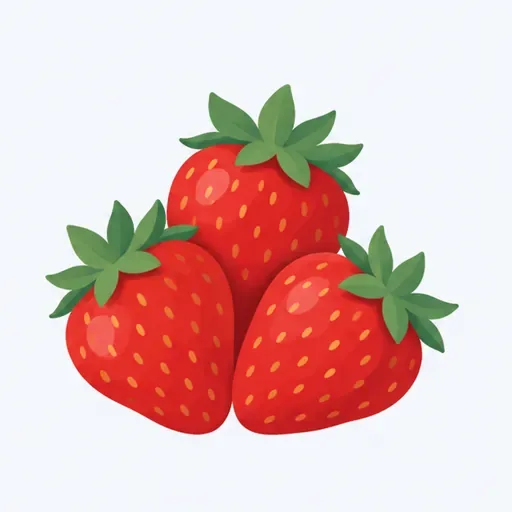 la fraisestrawberry
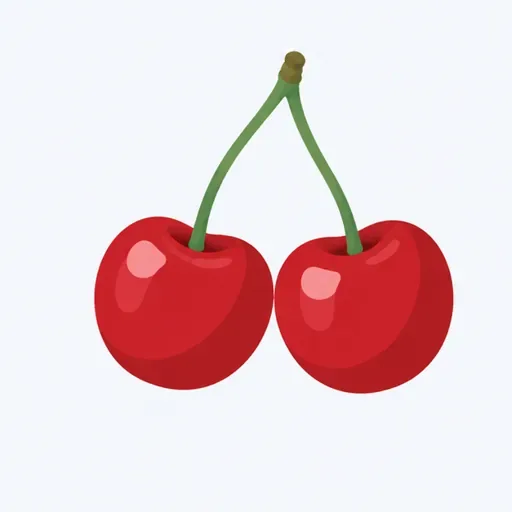 la cerisecherry
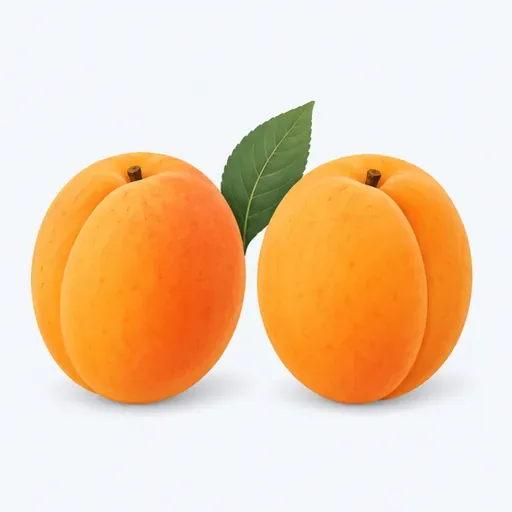 l’abricotapricot
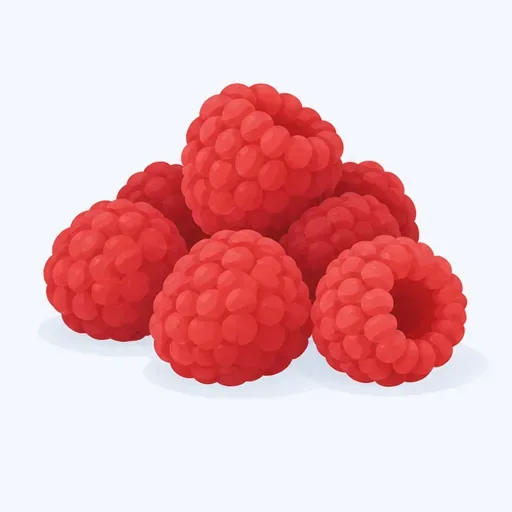 la framboiseraspberry
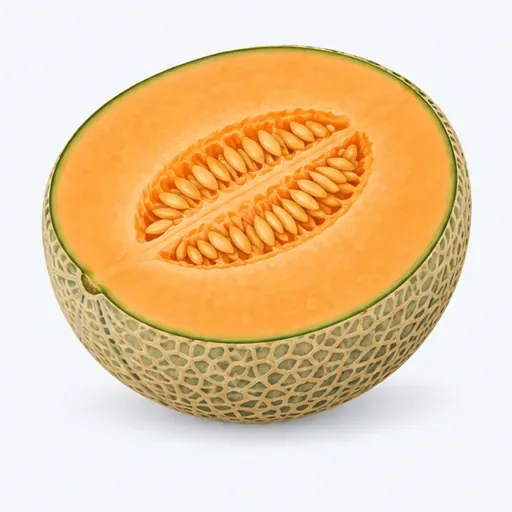 le melonmelon
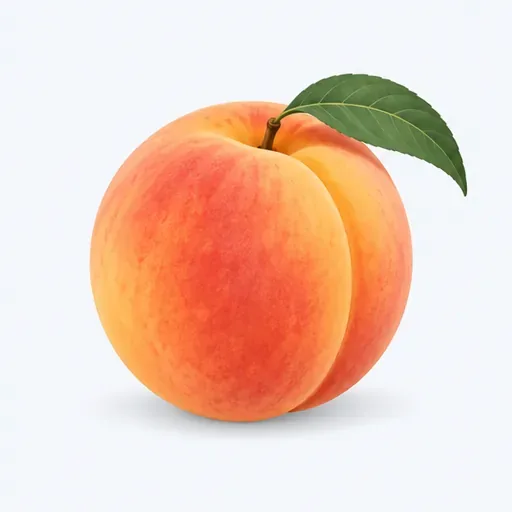 la pêchepeach
 la pastèquewatermelon
 la myrtilleblueberry
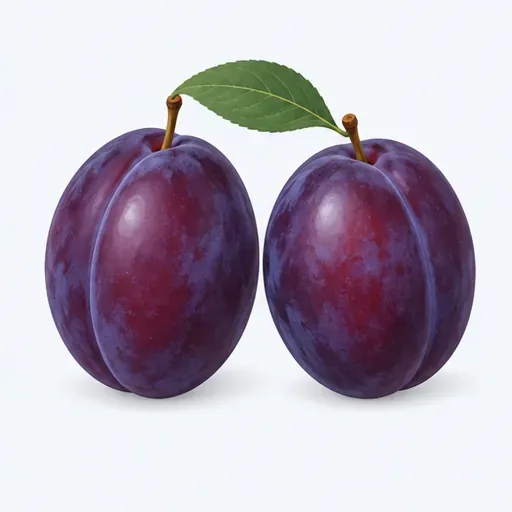 la pruneplum
 le raisingrapes
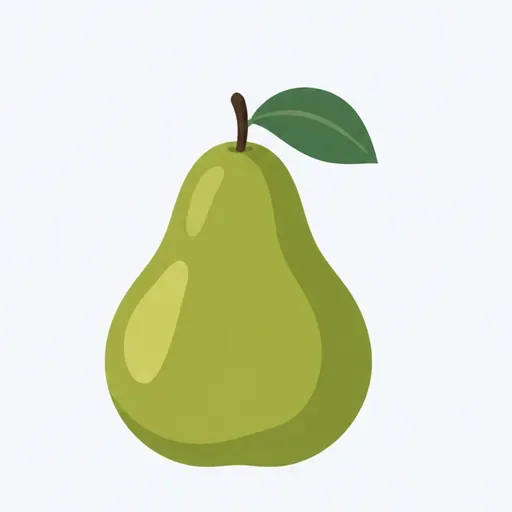 la poirepear
 la pommeapple
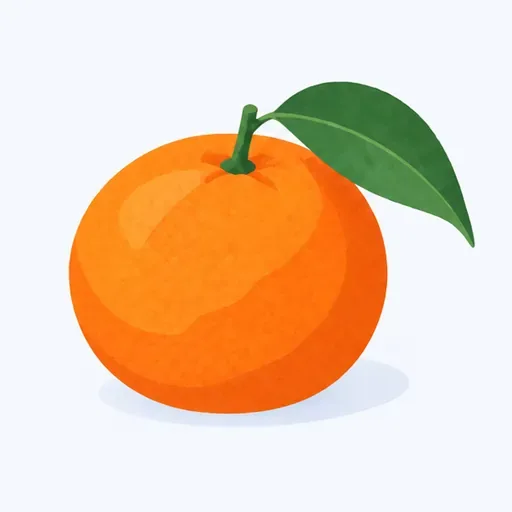 la clémentineclementine
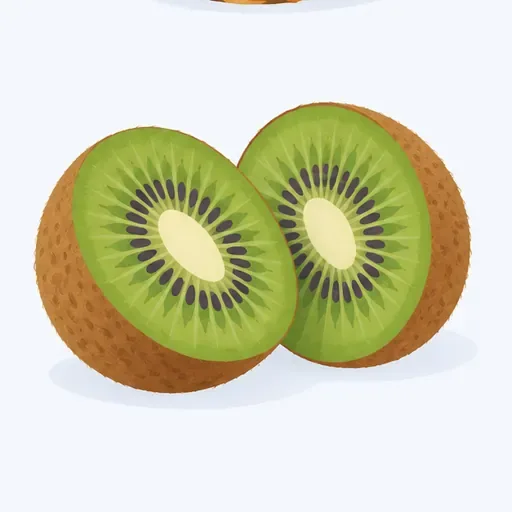 le kiwikiwi
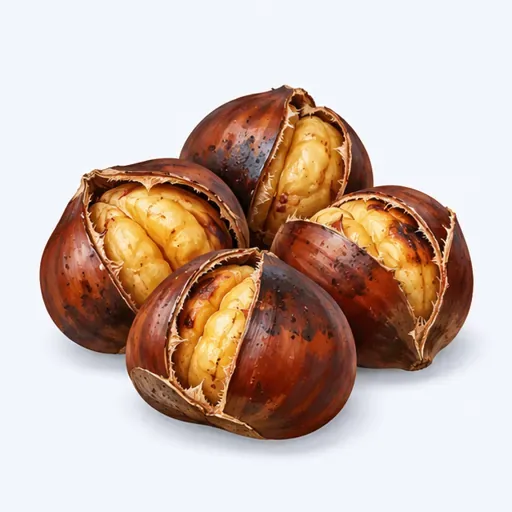 la châtaignechestnut
 la noixwalnut
Vegetables les légumes
 le radisradish
 les petits poispeas
 la saladelettuce
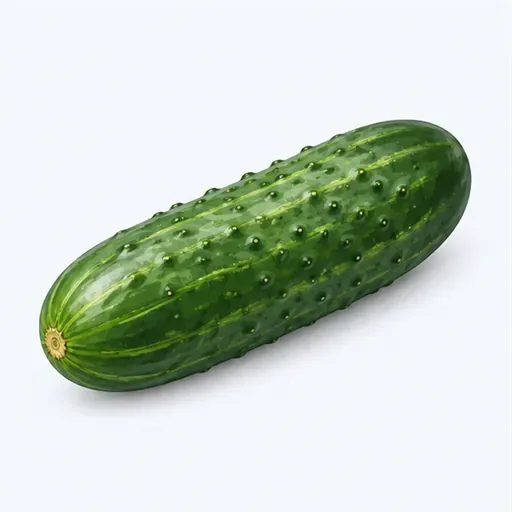 le concombrecucumber
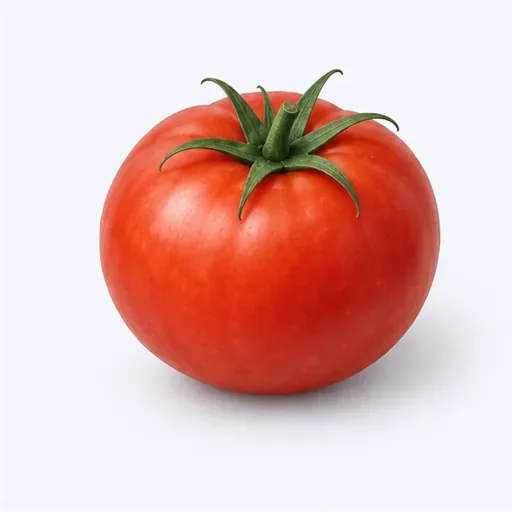 la tomatetomato
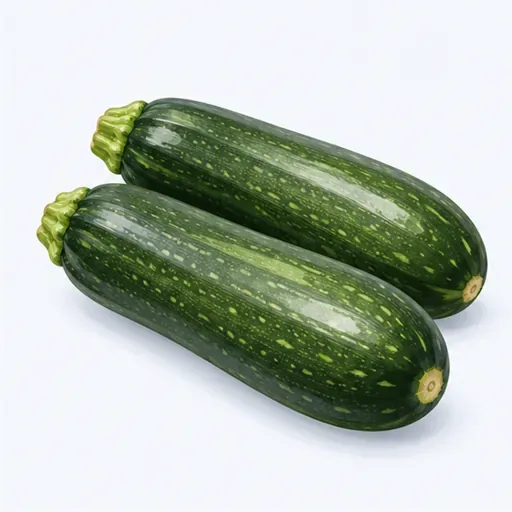 la courgettecourgette
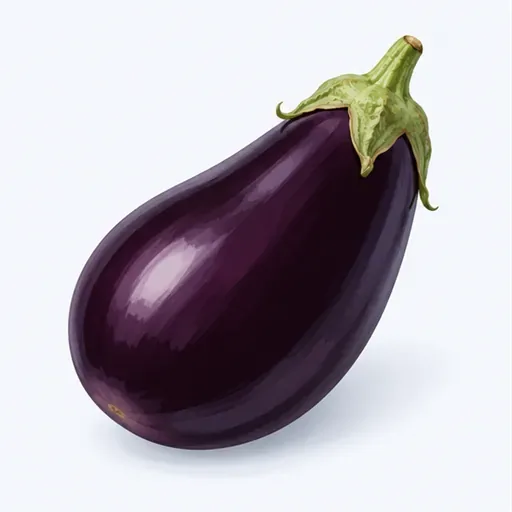 l’aubergineaubergine
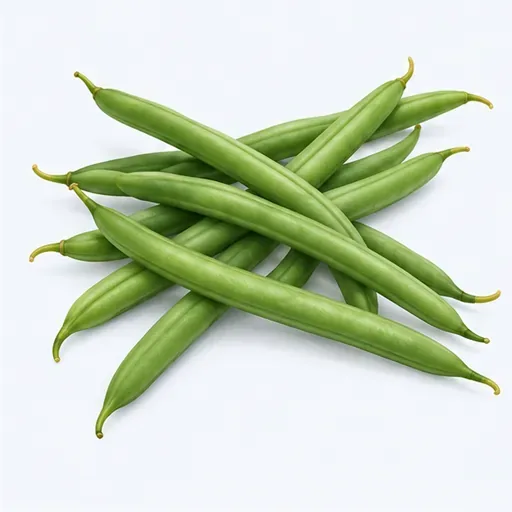 les haricots vertsgreen beans
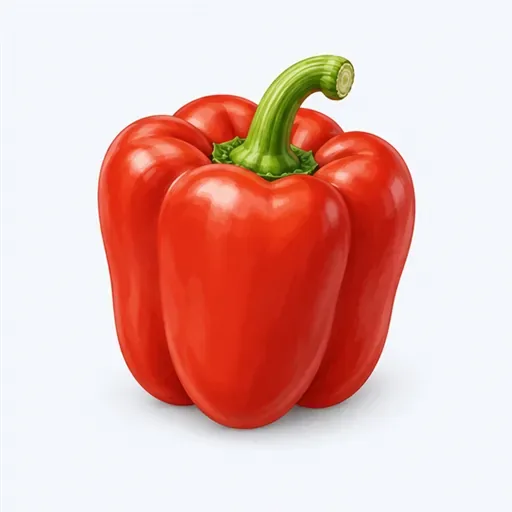 le poivronpepper
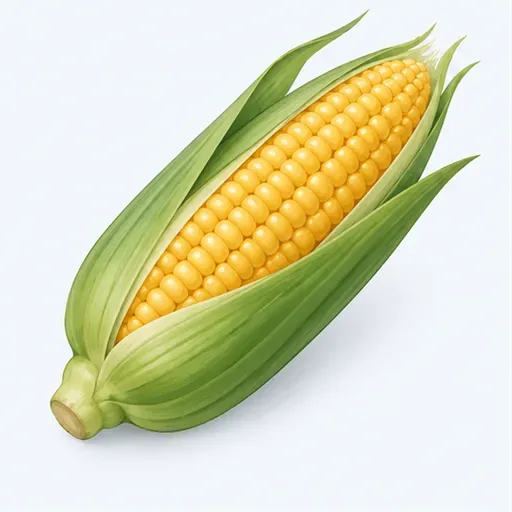 le maïssweetcorn
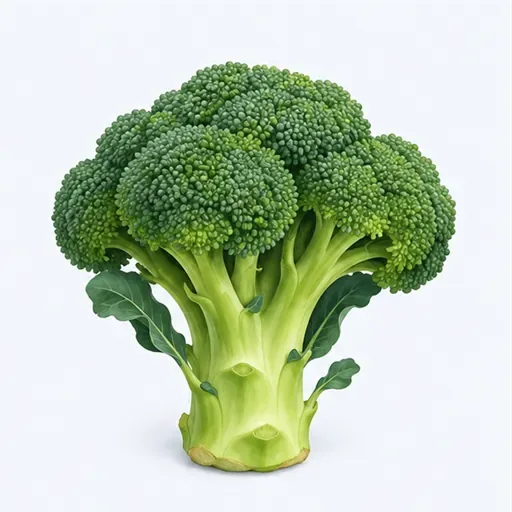 le brocolibroccoli
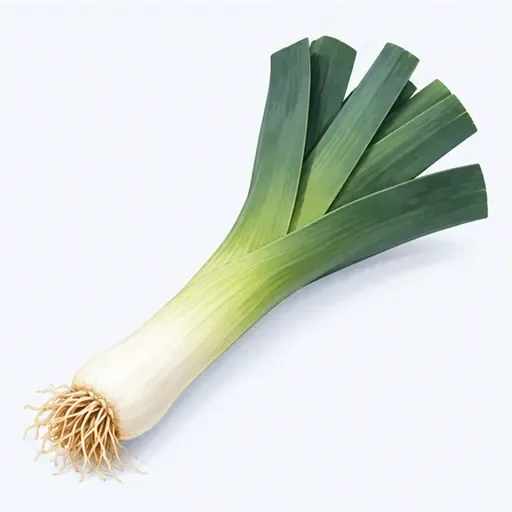 le poireauleek
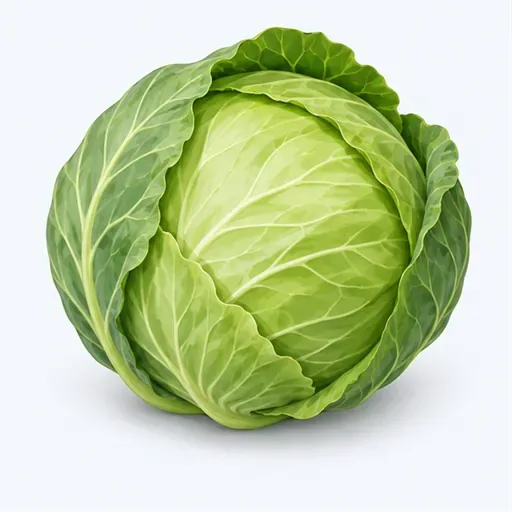 le choucabbage
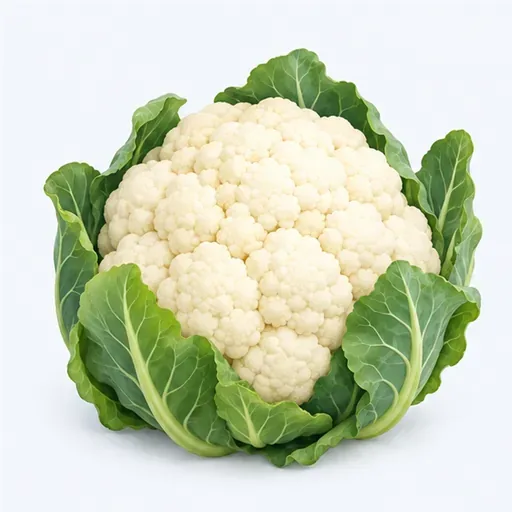 le chou-fleurcauliflower
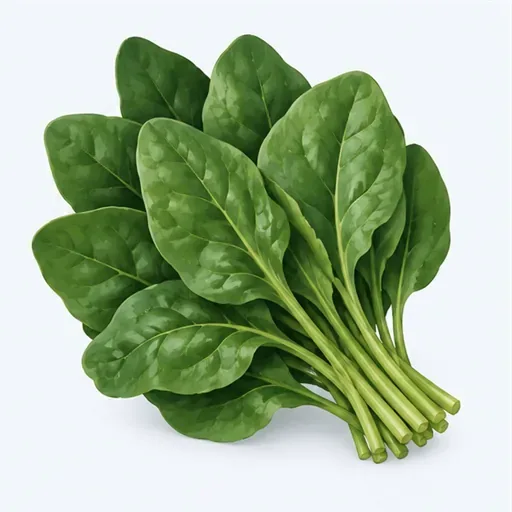 l’épinardspinach
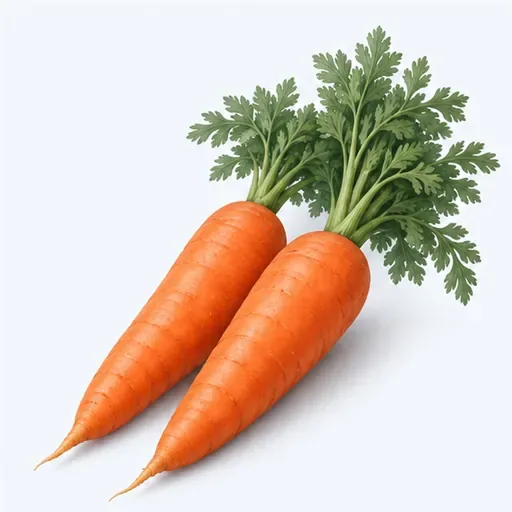 la carottecarrotall year
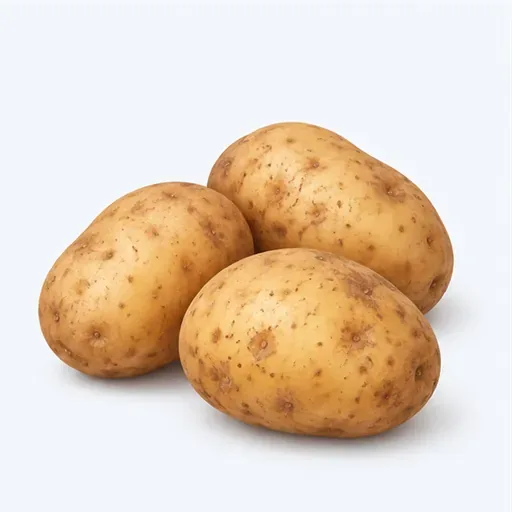 la pomme de terrepotatoall year
From the woods les champignons
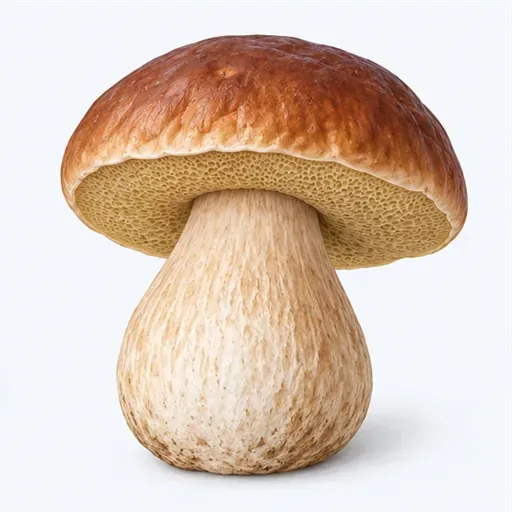 le cèpecep
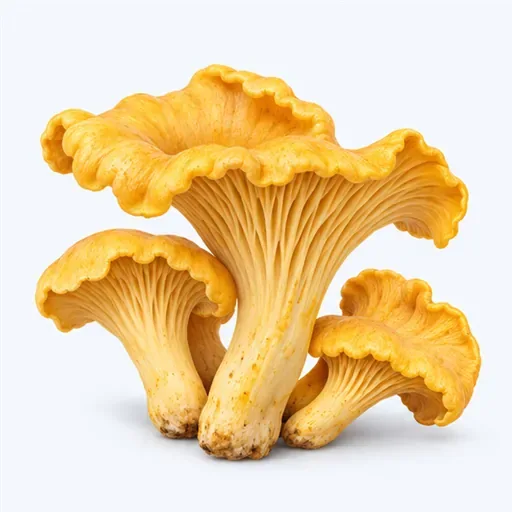 la girollechanterelle
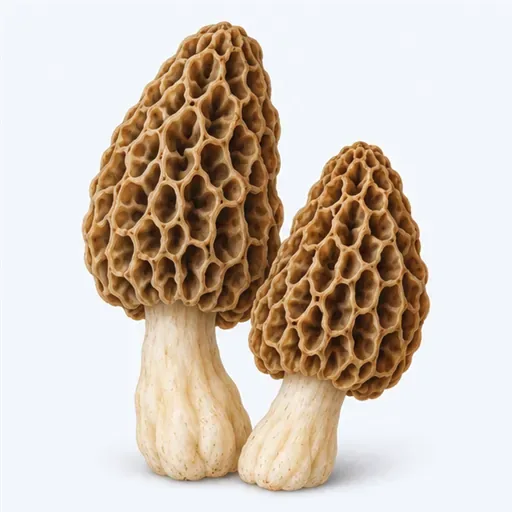 la morillemorel
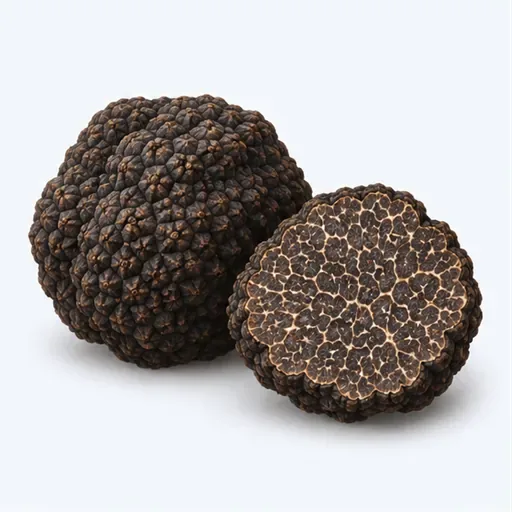 la truffe noireblack truffle
From the sea les produits de la mer
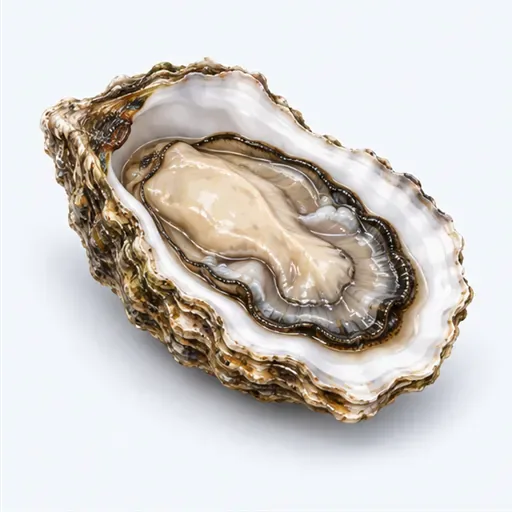 l’huîtreoyster
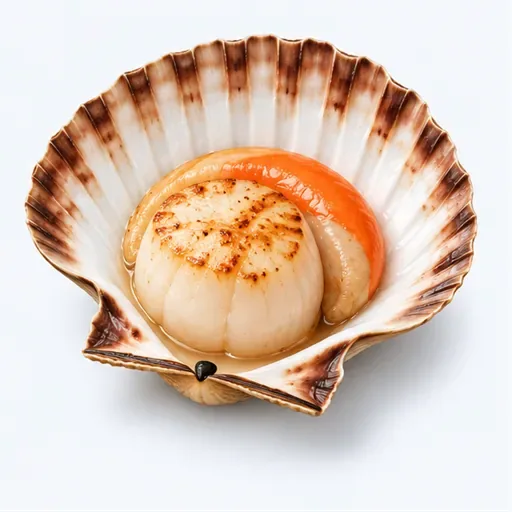 la coquille Saint-Jacquesscallop
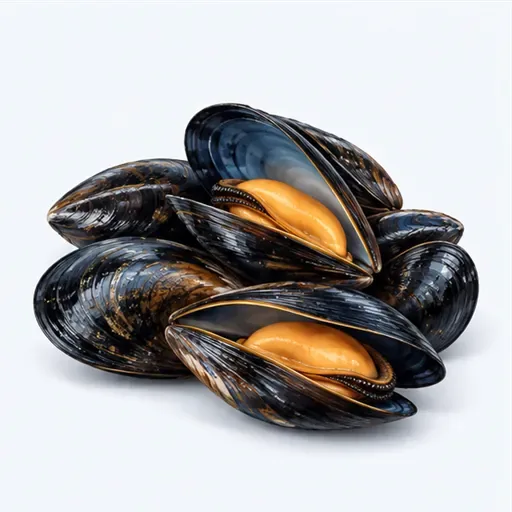 la moulemussel
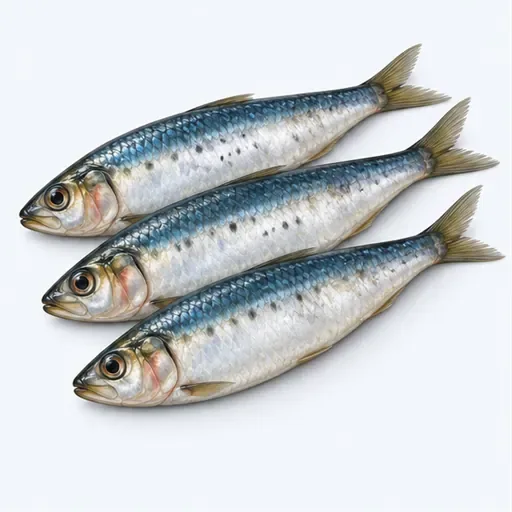 la sardinesardine
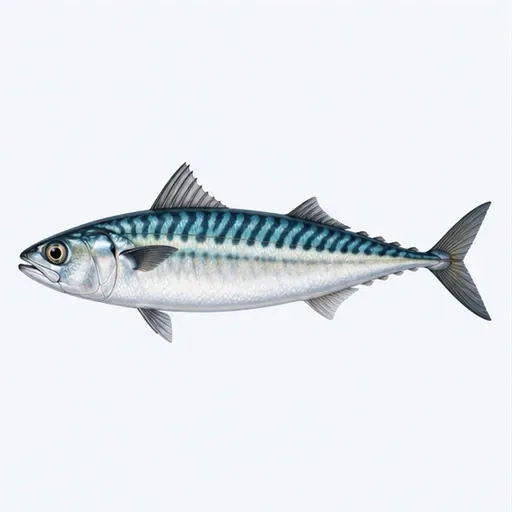 le maquereaumackerel
| Produce | J | F | M | A | M | J | J | A | S | O | N | D |
|---|---|---|---|---|---|---|---|---|---|---|---|---|
| la fraise strawberry | ● | ● | ● | |||||||||
| la cerise cherry | ● | ● | ● | |||||||||
| l’abricot apricot | ● | ● | ● | |||||||||
| la framboise raspberry | ● | ● | ● | ● | ||||||||
| le melon melon | ● | ● | ● | ● | ||||||||
| la pêche peach | ● | ● | ● | ● | ||||||||
| la pastèque watermelon | ● | ● | ||||||||||
| la myrtille blueberry | ● | ● | ||||||||||
| la prune plum | ● | ● | ● | |||||||||
| le raisin grapes | ● | ● | ||||||||||
| la poire pear | ● | ● | ● | ● | ● | |||||||
| la pomme apple | ● | ● | ● | ● | ● | ● | ● | |||||
| la clémentine clementine | ● | ● | ● | |||||||||
| le kiwi kiwi | ● | ● | ● | ● | ● | ● | ||||||
| la châtaigne chestnut | ● | ● | ● | |||||||||
| la noix walnut | ● | ● | ● | |||||||||
| le radis radish | ● | ● | ● | ● | ||||||||
| les petits pois peas | ● | ● | ||||||||||
| la salade lettuce | ● | ● | ● | ● | ● | ● | ● | |||||
| le concombre cucumber | ● | ● | ● | ● | ● | |||||||
| la tomate tomato | ● | ● | ● | ● | ||||||||
| la courgette courgette | ● | ● | ● | ● | ||||||||
| l’aubergine aubergine | ● | ● | ● | ● | ||||||||
| les haricots verts green beans | ● | ● | ● | ● | ||||||||
| le poivron pepper | ● | ● | ● | |||||||||
| le maïs sweetcorn | ● | ● | ||||||||||
| le brocoli broccoli | ● | ● | ● | ● | ● | |||||||
| le poireau leek | ● | ● | ● | ● | ● | ● | ● | ● | ||||
| le chou cabbage | ● | ● | ● | ● | ● | ● | ||||||
| le chou-fleur cauliflower | ● | ● | ● | ● | ● | ● | ● | |||||
| l’épinard spinach | ● | ● | ● | ● | ● | ● | ||||||
| la carotte carrot | ● | ● | ● | ● | ● | ● | ● | ● | ● | ● | ● | ● |
| la pomme de terre potato | ● | ● | ● | ● | ● | ● | ● | ● | ● | ● | ● | ● |
| le cèpe cep | ● | ● | ● | |||||||||
| la girolle chanterelle | ● | ● | ● | ● | ● | |||||||
| la morille morel | ● | ● | ● | |||||||||
| la truffe noire black truffle | ● | ● | ● | |||||||||
| l’huître oyster | ● | ● | ● | ● | ● | ● | ● | ● | ||||
| la coquille Saint-Jacques scallop | ● | ● | ● | ● | ● | ● | ● | ● | ||||
| la moule mussel | ● | ● | ● | ● | ● | ● | ● | |||||
| la sardine sardine | ● | ● | ● | ● | ● | |||||||
| le maquereau mackerel | ● | ● | ● | ● | ● | ● | ● |
The months are for produce grown in mainland France and sold fresh. Early and late weeks shift with the weather and the region: the south is two or three weeks ahead of the north.
Reading the stall
- Origine France
Every stall must show where produce comes from. Origine : France or a département number means it travelled less; Espagne or Maroc in January means a greenhouse or a lorry.
- De saison
Fruits et légumes de saison on a sign is a selling point. So is de pleine terre, grown in open ground, not under glass.
- Producteur
Vente directe or producteur means the person serving grew it. A primeur buys at the wholesale market and resells.
- Le kilo or la pièce
Prices are le kilo, la pièce (each), la barquette (the punnet) or la botte (the bunch). Les deux pour 3 € is a two-for offer.
- The months with an r
Les mois en r: oysters are traditionally eaten from septembre to avril. In summer they are milky, not unsafe.
- The first of the year
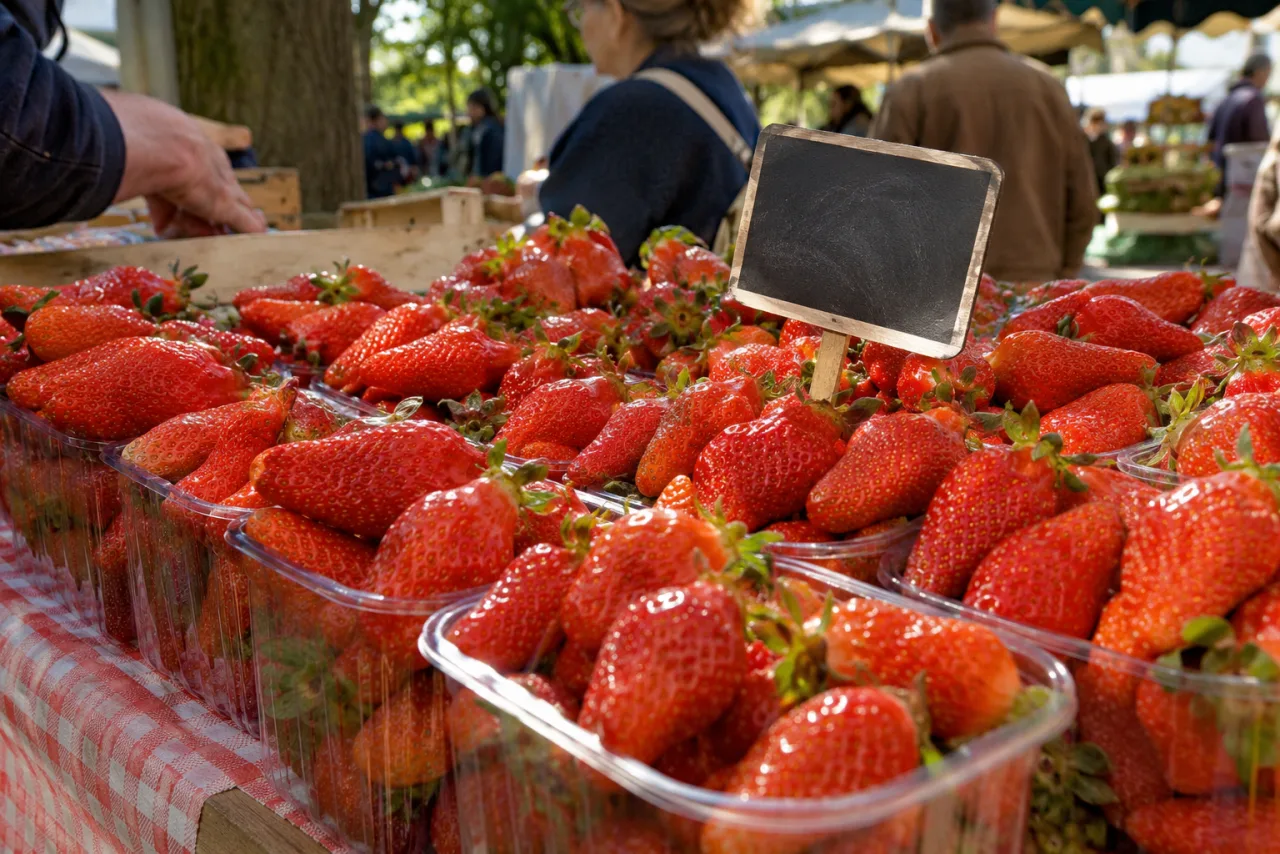
Les premières fraises, les premières cerises: the first arrivals are dear. Prices fall within three weeks.
Who is behind the stall
Two kinds of trader stand side by side at a French market, and the difference explains most of what you see. Un maraîcher grows what is on the table. Un primeur buys at the wholesale market and resells. Both can be excellent, and they are good for different things.
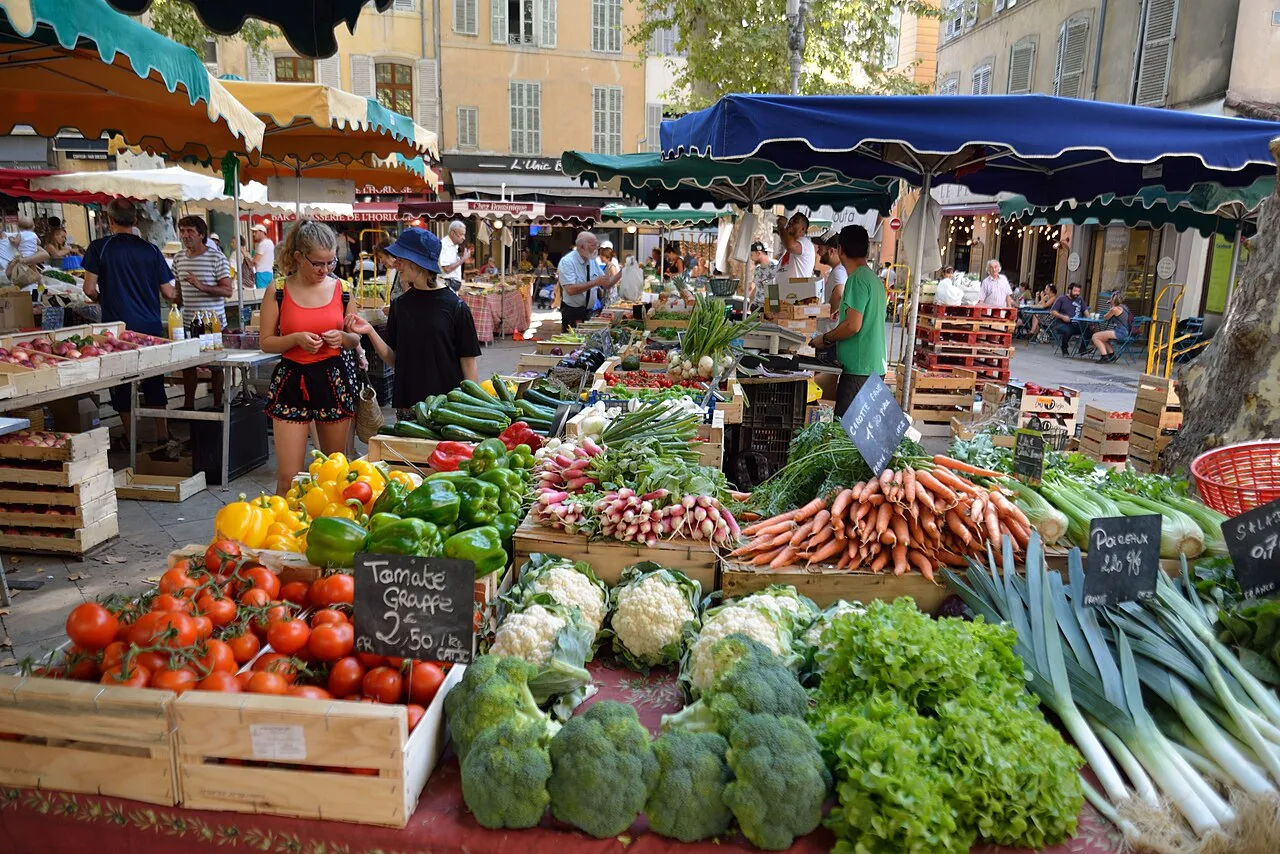
- Le maraîcher
A short table, soil still on the leeks, only what is in season within an hour’s drive. Nothing in January that needs sun. The sign often reads producteur with a village name.
- Le primeur
A long, tidy display with lemons, bananas and avocados all year. Useful for what does not grow locally, and often the best ripe fruit, chosen for you.
- Le marché de producteurs
A market where only growers may sell. Smaller, often in the late afternoon in summer.
- Les halles
A covered market hall with permanent stalls, open most mornings, sometimes all day.
How to shop at one
- It is a morning event
Stalls are set by eight and packing up by one. The last half hour brings bargains: tout à un euro shouted across the square.
- Do not serve yourself
Unless bags are laid out for you. Say what you want and when you will eat it; the stallholder chooses. Je peux me servir ? settles any doubt.
- Queue where the locals queue
A line at one vegetable stall and none at its neighbour is information.
- Bring a bag
Single-use plastic bags are banned. You will be handed paper, which tears: regulars bring un cabas or a basket.
- Coins help
Most stalls take cards now, often from a minimum of five or ten euros. Small change is still appreciated.
- Ask for the jam crate
In July and August, bruised or very ripe apricots and peaches are sold cheaply by the crate pour confiture. Perfect the same day.
Six names worth knowing
| French | When | What it is |
|---|---|---|
| la gariguette | April to June | The first French strawberry of the year: long, bright red, sharp and scented. |
| la pomme de terre primeur | May to July | New potatoes with a skin that rubs off. Those from the Île de Ré have their own appellation. |
| le melon de Cavaillon | June to September | The small orange-fleshed charentais melon of Provence. Heavy for its size means ripe. |
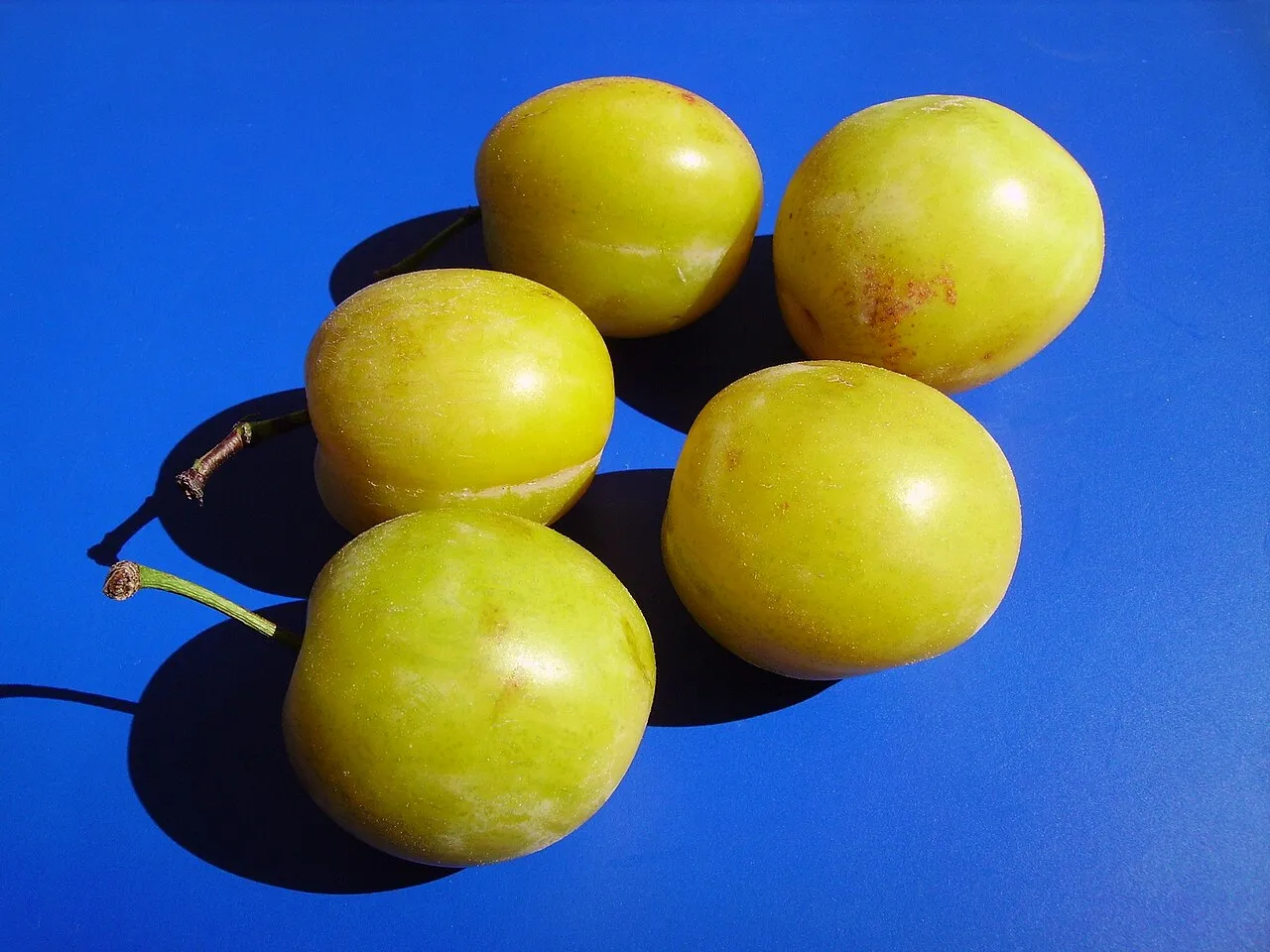
| la mirabelle de Lorraine | mid-August to mid-September | A small golden plum with a season of about six weeks. Eaten fresh, in tarts, then gone. |
| le chasselas de Moissac | September to December | A white table grape from the south-west, sold in loose golden bunches. |
| la clémentine de Corse | November to January | Sold with its leaves on, the sign that it was picked recently. The only clementine grown in France. |
What to say
| French | English |
|---|---|
| C’est la saison des fraises ? | Are strawberries in season? |
| Elles viennent d’où ? | Where are they from? |
| Un kilo de tomates, s’il vous plaît. | A kilo of tomatoes, please. |
| C’est pour manger aujourd’hui. | It is to eat today. (They will pick ripe ones.) |
| Et avec ça ? | Anything else? (What the seller asks.) |
| Ce sera tout, merci. | That will be all, thanks. |
One product through the year
Tomatoes: when they are worth buying
at their bestgoodheated greenhouse or importedskip
JanuaryskipOut of season. Tinned tomatoes cook better.
FebruaryskipOut of season.
MarchskipOut of season.
Aprilheated greenhouse or importedThe first French ones appear, grown under heated glass.
Mayheated greenhouse or importedMore on the stalls, still mostly greenhouse.
JunegoodOpen-ground tomatoes arrive from the south.
Julyat their bestFull season: old varieties such as cœur de bœuf on every market.
Augustat their bestThe peak, and the lowest prices.
Septemberat their bestStill excellent while the weather holds.
OctobergoodThe last of them; good for sauce.
NovemberskipFinished.
DecemberskipFinished.
Buying by weight
poids500 g
prix au kilo4,8 €
à payer2,40 €
An example with a slate that reads 4,80 € le kilo. The price on the slate is always per kilo: ask for cinq cents grammes or une livre, both mean half a kilo.