711 pages
French at B1
Everything written for B1 learners (expressing your ideas), with explanations, practice and reading at the right level.
Words & expressionsVerb drillB1
Retenir or mémoriser: practise remembering and learning by heart
Compare retenir and mémoriser, then complete twelve verb forms and sentences. Learn what you retain from a text and what you commit to memory.
DELF, DALF & examsCheat sheetB1
French reading negatives: not yet, no longer, never and only
A reading cheat sheet for pas encore, plus, jamais and ne…que, with examples and four questions on what a French notice says, rejects or leaves unmentioned.
Words & expressionsArticleB1
Sembler or paraître: seems clear, looks tired, comes out on Friday
Both sembler and paraître express impressions. Compare adjective patterns, il me semble que, il paraît que and paraître for publication.
Culture & registerVerb drillB1
Se grouiller or se dépêcher: hurry-up forms to practise
Practise se grouiller and se dépêcher in the present and imperative. Learn grouille-toi, dépêchez-vous and negative commands with a short form drill.
DELF, DALF & examsCheat sheetB1
Does your French answer fit the task? A final sentence check
Use a B1 email example to map each instruction to an actual sentence. Repair a missing request, check the recipient and keep pending actions clear.
Pronunciation & listeningArticleB1
French consonant assimilation: why je pense can start with a ch sound
Follow the two changes in casual je pense: a vowel drops and neighbouring consonants interact. Compare absent and anecdote, then check the process.
Verbs & tensesVerb drillB1
French indirect questions: où, quand, pourquoi, ce que and ce qui
Transform French information questions into indirect questions. Practise où, quand, comment, pourquoi, ce que and ce qui in nine answers.
DELF, DALF & examsCheat sheetB1
French reading evidence: choose the phrase that proves your answer
A B1 reference sheet for matching evidence to a question, keeping conditions and distinguishing missing information from a negative fact.
Grammar & usageArticleB1
Ce qui or ce que? Find the subject before you choose
Choose ce qui for what acts and ce que for what someone does something to. Worked contrasts, a short exchange and five questions on roles and elision.
Grammar & usageVerb drillB1
French double-pronoun drill: me le, le lui, les y and lui en
Put two French object pronouns in order with twelve sentence gaps. Practise recipients, places and quantities, then keep both pronouns with their verb.
Verbs & tensesCheat sheetB1
Reported speech and the subjunctive: wanted, needed, already done
Keep the subjunctive when reporting wishes, needs and reactions. Compare voulait que, fallait que and soit venu, then answer five short questions.
Words & expressionsArticleB1
Soutenir or supporter: backing someone or putting up with them?
Say you support a friend, cannot stand the noise or cheer for a team. Compare soutenir and supporter, then test the meaning in four situations.
Verbs & tensesVerb drillB1
Plus-que-parfait questions and negatives: a word-order drill
Build avais-tu compris, n’avions pas reçu and ne s’était pas levée. Ten gaps practise questions, negation and pronouns around the auxiliary.
Verbs & tensesArticleB1
Imparfait or conditional? Compare parlais and parlerais
Tell je parlais from je parlerais with a stem table, a conversation and five questions on past routines, polite requests and si clauses.
Everyday FrenchVerb drillB1
Explain a symptom timeline in French: depuis, hier and maintenant
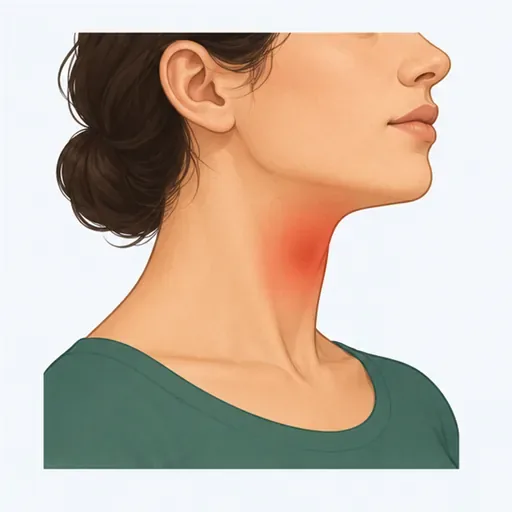
Practise saying when a symptom began, what continues and what has stopped. B1 sentence drills with a consultation timeline and body-part picture cards.
Pronunciation & listeningArticleB1
Why familiar French words sound different in a new voice
Connect known French words to a new voice. Compare full and reduced phrases, check the wording, and use the same message to focus on speaker differences.
Grammar & usageVerb drillB1
Avant que + subjunctive: eight forms to practise
Use avant que with its own subject and a subjunctive verb. Study soit, ait, vienne and puisse, then complete eight sentences and check the timeline.
Pronunciation & listeningArticleB1
French transcripts and speech: why the words seem different
Compare ordinary spelling, casual speech and edited transcripts through a café exchange, a correction and four questions on what the text preserves.
Words & expressionsArticleB1
Moyen or méthode? Explain your means, method and resources
Separate a way to reach a goal from a working method. Compare moyen, méthode, avoir les moyens, moyen as an adjective and la moyenne.
Grammar & usageArticleB1
Malgré or bien que? Despite a noun, although a clause
Compare malgré la fatigue with bien que je sois fatigué. See matched examples, follow a short exchange and choose the right French concession frame.
Words & expressionsArticleB1
Doux or mou: soft to touch or soft when you press?
Choose doux for a gentle feel, voice or mild weather, and mou for something that lacks firmness. Compare examples, feminine forms and a cushion-shopping scene.
Words & expressionsArticleB1
Conseiller or recommander? Give advice with the right pattern
Learn conseiller and recommander with a thing, a person and an action. Compare natural alternatives and practise the à/de patterns in a short quiz.
Verbs & tensesArticleB1
Se passer de and s'en passer: how to say "do without" in French
Se passer de means to do without: je ne peux pas me passer de café. Learn the pattern, the pronoun en, and the difference from se passer (to happen).
Culture & registerArticleB1
Histoire de + infinitive: a casual way to say "just to"
Histoire de rire, histoire de changer: a relaxed spoken way to give a purpose in French. Compare it with pour, afin de and juste pour, and know when to use it.
Words & expressionsArticleB1
But or objectif: how to talk about a goal in French
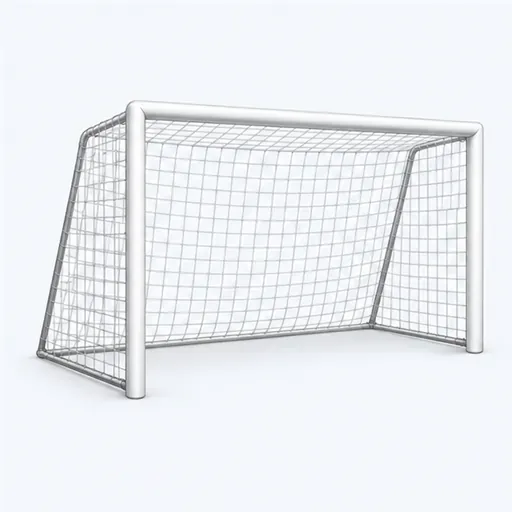
Compare but and objectif in plans, then recognise a football goal and a camera lens. Examples and four questions cover the meanings that cause confusion.
Culture & registerArticleB1
Justement or exactement: “exactly” is only part of the story
Compare exact details with timely replies: exactement for a precise match, justement for a relevant point. Try two scenes and four questions.
DELF, DALF & examsArticleB1
How to compare your French response with a model answer
Compare two French replies against the same brief. Check task coverage, facts, register and grammar, then practise choosing a useful correction.