711 pages
French at B1
Everything written for B1 learners (expressing your ideas), with explanations, practice and reading at the right level.
Grammar & usageArticleB1
D'ici vendredi: a French deadline, not just a day
D'ici vendredi means "by Friday", not "on Friday". Compare d'ici, avant, dans and pour with timelines, workplace examples and a short check.
Words & expressionsVerb drillB1
French action verbs: who lends, borrows, allows and prevents?
Track who does what with prêter, emprunter, autoriser and empêcher. Compare the roles, then complete eight French sentences in a focused verb drill.
Words & expressionsCheat sheetB1
French -able and -ible adjectives: meanings, families and limits
Use French adjective families such as acceptable, lisible and compréhensible to infer meaning, check agreement and avoid misleading English lookalikes.
Grammar & usageDialogueB1
Oui, si or non? Answering negative French questions
Practise answering Tu ne viens pas ? with si or non. A conversation and three checks show how to correct a negative assumption and confirm your plans.
Pronunciation & listeningArticleB1
Listening to French without translating every word: follow the message
Practise following French in chunks: catch the action, track ça and notice mais. Work through a changed meeting time and a parent’s wish, with a quiz.
Culture & registerVerb drillB1
Chouette, super, génial: French reactions and agreement practice
React to good news with chouette, super and génial, then practise chouettes, géniale, géniaux and géniales in eight short sentences.
Grammar & usageCheat sheetB1
Bien que + subjunctive: a French concession cheat sheet
Use bien que to mean although: six concise rules, common subjunctive forms, contrasts with malgré and même si, and four questions with explanations.
Pronunciation & listeningDialogueB1
French sentence focus: make the corrected detail clear
Practise correcting who, when and what happened in a French dialogue. Compare short replies, full restatements and clear focus constructions.
Words & expressionsArticleB1
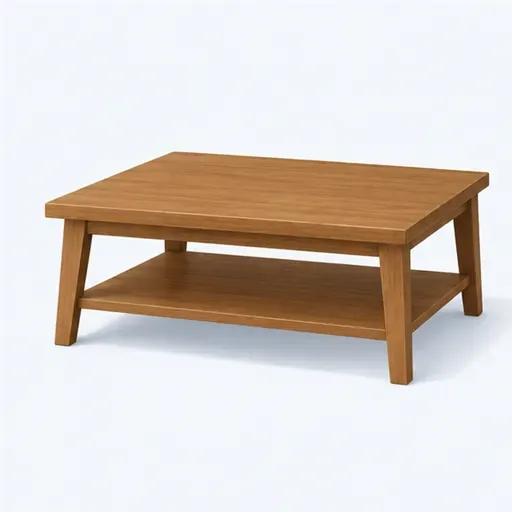
Bas or faible: a low shelf, a weak signal and a quiet voice
Compare bas and faible with household pictures, adjective agreement and quiet voices. See where both work for volume, then answer four questions.
Verbs & tensesVerb drillB1
French reported speech: a drill after dit que and explique que
Practise reporting French statements with a present reporting verb. Keep past, present and future meanings while adjusting subjects and possessives.
DELF, DALF & examsCheat sheetB1
French exam revision: choose the next thing to practise
Choose a French revision priority from real feedback: repair meaning, check recurrence and pick a focused next task. Includes a decision sheet and quiz.
Everyday FrenchDialogueB1
French tenancy checkout dialogue: discuss an inventory disagreement
Discuss a disputed scratch during a French tenancy checkout. Practise comparing entry notes and photographs and asking for the disagreement to be recorded.
Verbs & tensesArticleB1
Can French keep the present after il a dit que?
Compare elle travaille and elle travaillait after a past reporting verb. Read two short exchanges and check what each version tells you about now.
Grammar & usageVerb drillB1
Nora vient-elle ? French questions with noun subjects
Keep the noun subject and add its matching pronoun: Nora vient-elle ? Practise formal yes/no questions, -t- hyphens and auxiliary inversion.
Verbs & tensesCheat sheetB1
French conditional questions and negatives: word order at a glance
Ask Pourriez-vous… ?, use est-ce que, place ne… pas and keep object pronouns with the right verb. A conditional word-order sheet with four checks.
Everyday FrenchDialogueB1
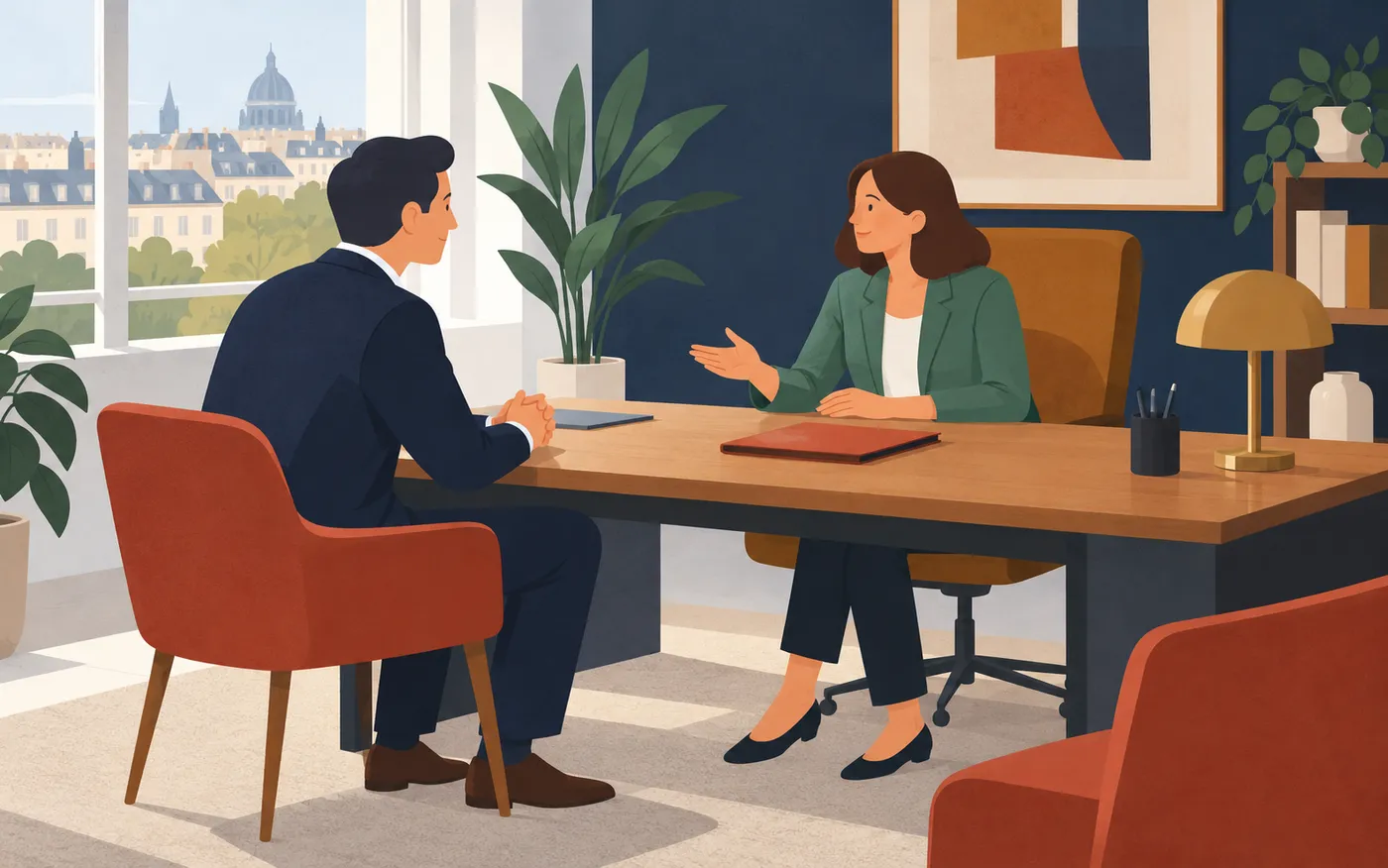
French salary negotiation dialogue: discuss an offer before accepting
Discuss annual gross pay, benefits and a counterproposal in French. Practise asking for a revised offer and checking what still needs approval.
Pronunciation & listeningArticleB1
Do pâte and patte sound different? French a across varieties
Compare pâte and patte in a traditional two-vowel model and in merged speech. Use pictures, sentence context and four questions to keep the words clear.
Verbs & tensesVerb drillB1
French subjunctive stems drill: prenne or prenions?
Practise paired subjunctive stems for prendre, venir, boire and aller, then check être and avoir. Sixteen sentence gaps keep il faut que as the frame.
Verbs & tensesCheat sheetB1
Future after quand in French: quand tu arriveras, je partirai
See why French uses the future after quand, compare when with if, and practise future time clauses, habitual statements and questions.
Culture & registerDialogueB1
What does bof mean in French? Practise a lukewarm reply
Read bof in a conversation about a film, then compare a mixed review, reluctant acceptance and a clearer refusal. Dialogue practice and four questions.
Grammar & usageArticleB1
French passive without par: focus on what happened
Build French passive sentences without naming the actor. Compare present, past and future forms, check agreements and practise with a short notice.
Verbs & tensesVerb drillB1
Il faut que + subjunctive: build the sentence, then practise
Practise il faut que with être, avoir, faire and partir. Compare a named subject with an infinitive and check what a negative instruction means.
Words & expressionsCheat sheetB1
Vieux or ancien: a quick sheet for old, former and long-standing
Compare un vieil ami and un ancien ami, learn vieux and ancienne forms, then practise with an old house, former colleagues and family furniture.
Words & expressionsArticleB1
Manquer or rater: miss a train, fail an exam, miss someone
Compare manquer and rater with trains, exam results and shortages. Learn tu me manques through a scene, agreement table and four-question quiz.
Verbs & tensesVerb drillB1
Check French future and conditional endings: a proofreading drill
Correct ten French future and conditional forms using a clear context, the actual subject and a side-by-side ending table.
Verbs & tensesCheat sheetB1
French plus-que-parfait: a formation cheat sheet
Build avais fini and était partie with a compact reference: both auxiliaries, common participles, agreement and the earlier-past viewpoint.
Words & expressionsArticleB1
Compliqué or complexe? Explain what makes something difficult
Compare practical difficulty with connected parts through a club event, clear explanations and examples where compliqué and complexe both fit.
Verbs & tensesVerb drillB1
Conditionnel présent: build French conditional forms, then try 18 gaps
Form the French conditional with future stems and imparfait endings. Study regular and irregular patterns, then practise 18 forms and sentence gaps.
Words & expressionsCheat sheetB1
Utile, précis, efficace: French evaluation adjectives compared
Choose French adjectives by what they assess: usefulness, necessity, precision, detail, simplicity and results. Study the examples and test your choices.
Culture & registerArticleB1
À votre avis or selon vous: asking for an opinion in French
Ask for an opinion with à votre avis or selon vous, switch between tu and vous, and report someone’s view with selon. Examples and a short quiz.
Grammar & usageVerb drillB1
Quelqu’un de, quelque chose de, rien de: French adjective drill
Describe an unnamed person or thing with de plus an adjective. Practise quelqu’un de gentil, quelque chose d’utile and rien de spécial in 14 rewrites.
Grammar & usageCheat sheetB1
Sans in French: without a thing or without doing it
Use sans sucre, sans attendre and sans le lire. A compact reference, picture cards and questions show nouns, infinitives and pronoun placement.
Culture & registerArticleB1
Jadis or autrefois: two ways to say “in the past” in French
Compare autrefois with the more literary jadis. Read a family memory, learn four pictured childhood objects and choose the right past-time expression.
Verbs & tensesVerb drillB1
Fasse, aille, puisse: an irregular subjunctive drill
Practise faire, aller and pouvoir in the present subjunctive: eighteen forms, six sentence gaps and a close look at allions and alliez.
Words & expressionsCheat sheetB1
Compétences and expérience: a French CV cheat sheet
Use compétences for what you can do and expérience for your practical background. Build clear CV phrases with examples, a mini profile and questions.
Pronunciation & listeningArticleB1
French pauses: where to break a longer message
Group French speech by meaning: keep linked words together, separate stages of a message and practise choosing useful pause points in short announcements.