228 pages
Articles
Articles for learners of French, from A1 to C2.
All page types 29
Learn and look up
Practise
Play with words
Read real French
Grammar & usageArticleC1
Il s’ensuit que: “it follows that” in French
Link a premise to a conclusion with il s’ensuit que, then compare il ne s’ensuit pas que. Worked schedules and four questions keep the inference precise.
Pronunciation & listeningArticleA1
French b and v: close your lips for beau, use your teeth for veau
Compare beau/veau, bas/va and boire/voir. See how your lips make b and v, then practise choosing useful words in short French sentences.
Words & expressionsArticleA2
One French word, several meanings: porter and trouver in context
Build clear notes for porter and trouver with clothing, carrying, finding and opinions. Compare the patterns, use picture cards and test each meaning.
Grammar & usageArticleA2
De or des before a plural adjective in French?
Compare de belles maisons with des maisons blanches. Practise adjective order, d’ before vowels, fixed expressions and des meaning de + les.
Pronunciation & listeningArticleA1
French u vs ou: say tu and tout with different vowels
Learn the mouth positions for French u /y/ and ou /u/. Compare tu/tout, rue/roue and vu/vous, then check the sound labels in a short quiz.
Words & expressionsArticleA2
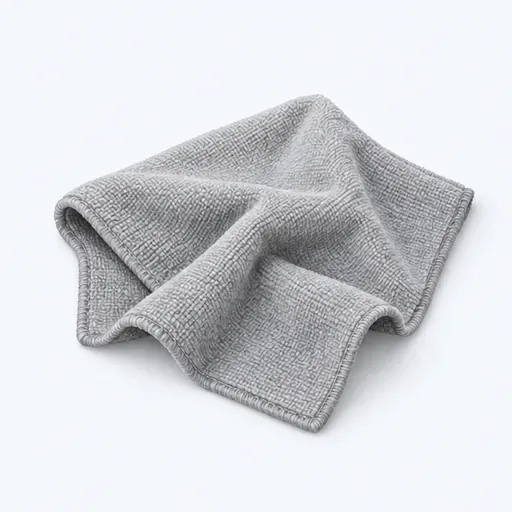
Essuyer or sécher? Wiping, drying and letting things dry
Choose essuyer or sécher for dishes, hands and laundry. Compare wiping with air drying, check the present forms and try four questions.
Grammar & usageArticleB1
French passive without par: focus on what happened
Build French passive sentences without naming the actor. Compare present, past and future forms, check agreements and practise with a short notice.
Words & expressionsArticleA2
Fleuve or rivière: follow the water to its destination
Learn fleuve and rivière with a coastal landscape, riverbank vocabulary and map questions. Follow the outlet rather than judging the waterway’s size.
Grammar & usageArticleB2
French nominalisation: turn an action into a noun phrase
Turn les prix augmentent into l’augmentation des prix. Compare full sentence rewrites, keep time and certainty clear, and try three short questions.
Words & expressionsArticleA2
Vrai or véritable: true statements and genuine descriptions
Use c’est vrai for truth, une histoire vraie for a true story, and vrai or véritable for genuine friends and real successes. Includes agreement practice.
Grammar & usageArticleC1
Ne…point in French: read the negative and hear the tone
Compare ne…point with everyday ne…pas, locate point in simple and compound tenses, and distinguish the negative word from the noun.
Words & expressionsArticleA2
Ouvrir or allumer? Open an app, switch on a device
Choose ouvrir or allumer for files, apps, devices and lights. Follow a desk-side conversation, study paired examples and try a short French quiz.
Grammar & usageArticleB1
Ce qui or ce que? Find the subject before you choose
Choose ce qui for what acts and ce que for what someone does something to. Worked contrasts, a short exchange and five questions on roles and elision.
Words & expressionsArticleB1
Verser or renverser: pour, spill or knock over?
Compare verser and renverser with a café scene, examples for contents and containers, useful forms and four questions on pouring and spilling.
Grammar & usageArticleA2
Chez or à? Visit a person’s place or name the building
Say chez Nora, chez le médecin and à la pharmacie. Explore a neighbourhood, compare the patterns and practise the pronouns and contractions.
Words & expressionsArticleA1
French numbers 70–99: patterns, spelling and examples
Build the number from smaller parts, then check its written form.
Grammar & usageArticleB2
Pour autant: "that doesn't mean…" in French
Pour autant means "for all that", "that doesn't mean": Il est riche ; il n'est pas heureux pour autant. Learn its meaning, position and register with examples.
Words & expressionsArticleB1
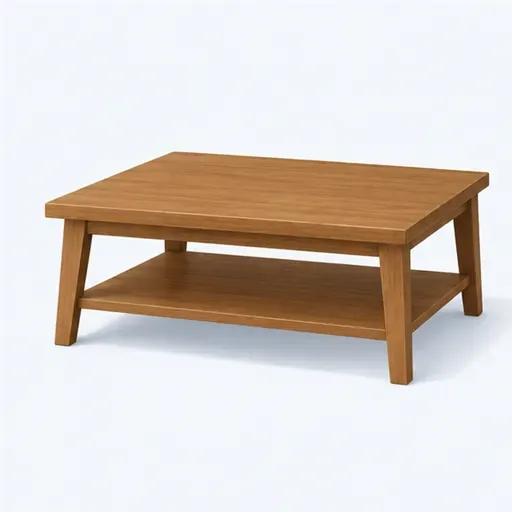
Bas or faible: a low shelf, a weak signal and a quiet voice
Compare bas and faible with household pictures, adjective agreement and quiet voices. See where both work for volume, then answer four questions.
Grammar & usageArticleA1
Why French says j’aime le café: articles after aimer
Use le, la, l’ and les for general likes, compare liking food with taking some, and practise with eight food picture cards.
Words & expressionsArticleA2
Mieux or meilleur? Choose the right French word for better
Compare mieux and meilleur with clear examples, all four adjective forms, a short conversation and four questions on better and best.
Grammar & usageArticleB1
Malgré or bien que? Despite a noun, although a clause
Compare malgré la fatigue with bien que je sois fatigué. See matched examples, follow a short exchange and choose the right French concession frame.
Words & expressionsArticleA2
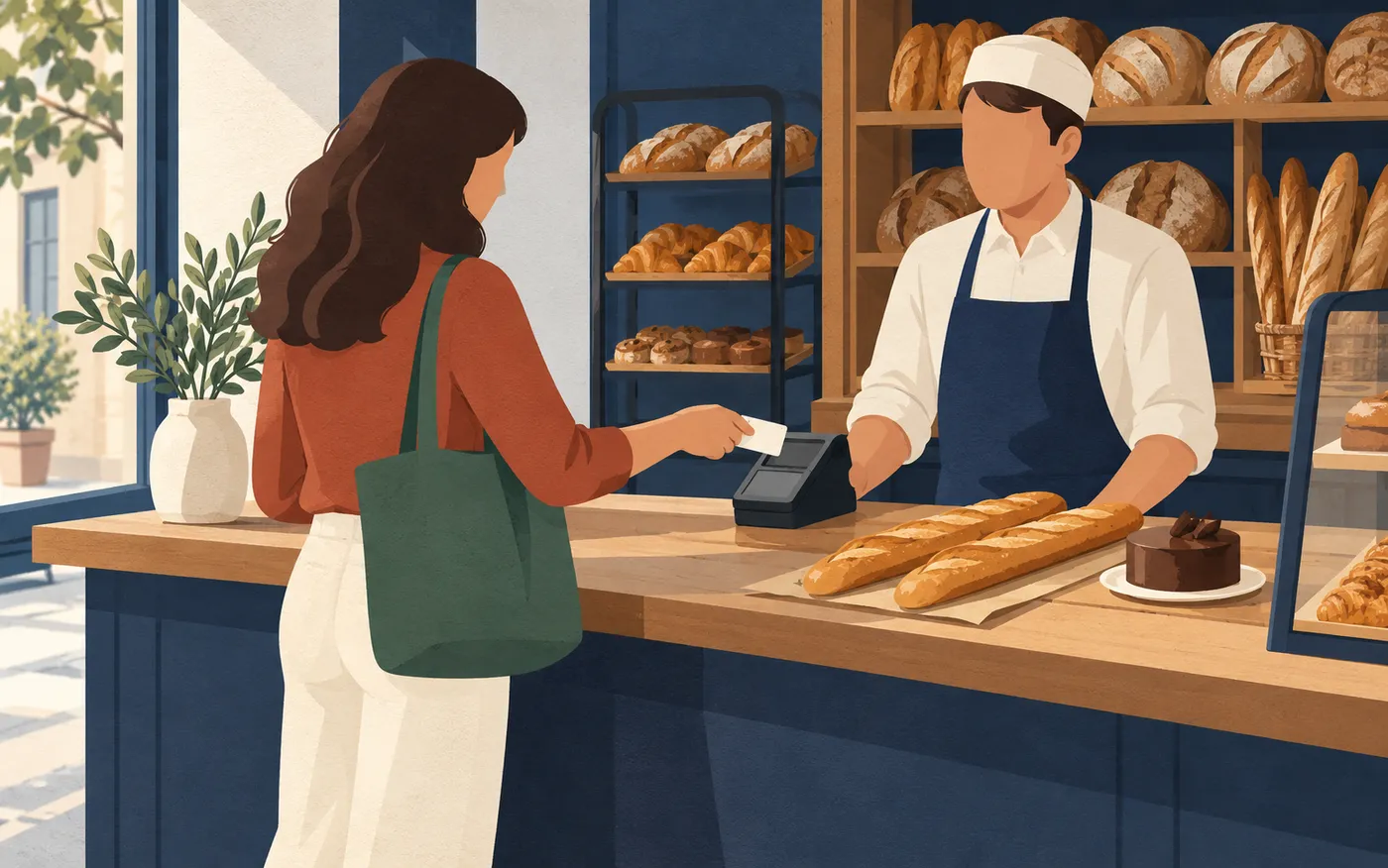
Acheter, payer or dépenser: buying, paying and spending in French
Acheter is what you buy, payer is what or who you pay, dépenser is how much you spend. Compare them with shopping examples and common mistakes.
Grammar & usageArticleC1
Dans la mesure où: “insofar as”, a condition or a reason?
Read dans la mesure où through three short contexts: limited support, conditional agreement and an established reason. Compare paraphrases and test your reading.
Words & expressionsArticleB1
Manquer or rater: miss a train, fail an exam, miss someone
Compare manquer and rater with trains, exam results and shortages. Learn tu me manques through a scene, agreement table and four-question quiz.
Grammar & usageArticleA1
Il y a in French: there is, there are and there isn’t
Describe a flat with il y a, ask what is there and make negatives with pas de or pas d’. Compare introducing a thing with saying where it is.
Words & expressionsArticleA2
Lever or soulever: raise a hand, lift a lid, raise a question
Choose lever or soulever with gestures, objects and questions. Compare present forms, read a short scene and test the phrases that change meaning.
Grammar & usageArticleB2
Faire + infinitive: have something done in French
Say who arranges a repair, who carries it out and what is repaired. Compare faire + infinitive with doing the job yourself, then try four questions.
Words & expressionsArticleB1
Compliqué or complexe? Explain what makes something difficult
Compare practical difficulty with connected parts through a club event, clear explanations and examples where compliqué and complexe both fit.
Grammar & usageArticleB2
Ne serait-ce que: "if only", "even just" in French
Ne serait-ce que means even if only, even just: ne serait-ce que cinq minutes. It looks negative but isn't. Learn its meaning, register and use with examples.
Words & expressionsArticleB2
Acquérir or acheter: buying an object, gaining a skill
Acheter means buy; acquérir covers gaining possessions, knowledge and skills. Compare their uses, practise key forms and test your word choice.
Words & expressionsArticleA2
Bon or bien? A small word, a big difference
Bon describes a thing, bien describes how something is done. See the difference in examples, then choose in two quick checks.
Words & expressionsArticleA2
Raconter or décrire: what happened, or what was it like?
Compare telling a story with describing a place through two accounts of a visit, illustrated room vocabulary and a short French quiz.
Words & expressionsArticleB1
Sembler or paraître: seems clear, looks tired, comes out on Friday
Both sembler and paraître express impressions. Compare adjective patterns, il me semble que, il paraît que and paraître for publication.
Words & expressionsArticleA2
Métier or profession? Ask what someone does in French
Ask about work in French, answer with an occupation and distinguish it from an employer or a post. Compare métier and profession with examples and a short quiz.
Words & expressionsArticleA2
Emporter or emmener: what are you taking with you?
Take an umbrella with emporter and a companion with emmener. Compare the verbs, pack with picture cards and try four departure questions.
Words & expressionsArticleB1
Soutenir or supporter: backing someone or putting up with them?
Say you support a friend, cannot stand the noise or cheer for a team. Compare soutenir and supporter, then test the meaning in four situations.