228 pages
Articles
Articles for learners of French, from A1 to C2.
All page types 29
Learn and look up
Practise
Play with words
Read real French
Words & expressionsArticleB1
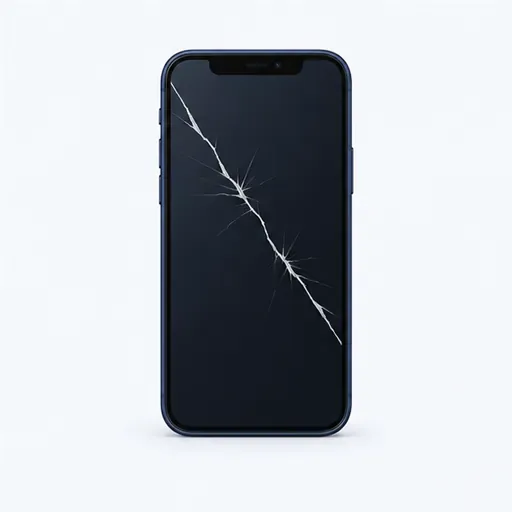
Écran or moniteur: how to name a screen in French
Name a phone screen, a second monitor and a projection screen in French. Compare écran and moniteur with picture cards, a help-desk scene and a quiz.
Grammar & usageArticleB2
La mise en œuvre: which noun controls French agreement?
Find the head noun in la mise en œuvre des mesures. Practise singular verbs, feminine participles and plural mises en place with examples and a quiz.
Pronunciation & listeningArticleB1
Do pâte and patte sound different? French a across varieties
Compare pâte and patte in a traditional two-vowel model and in merged speech. Use pictures, sentence context and four questions to keep the words clear.
Culture & registerArticleB1
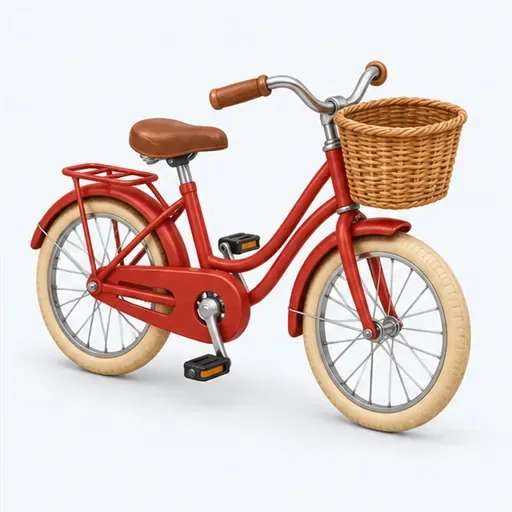
Jadis or autrefois: two ways to say “in the past” in French
Compare autrefois with the more literary jadis. Read a family memory, learn four pictured childhood objects and choose the right past-time expression.
Verbs & tensesArticleA2
Futur proche or futur simple: a plan and a promise
Compare je vais étudier and j’étudierai through a study-plan conversation. See how both futures work with demain, then test their forms and meanings.
Words & expressionsArticleB1
Développer or agrandir? Ideas, skills and physical size
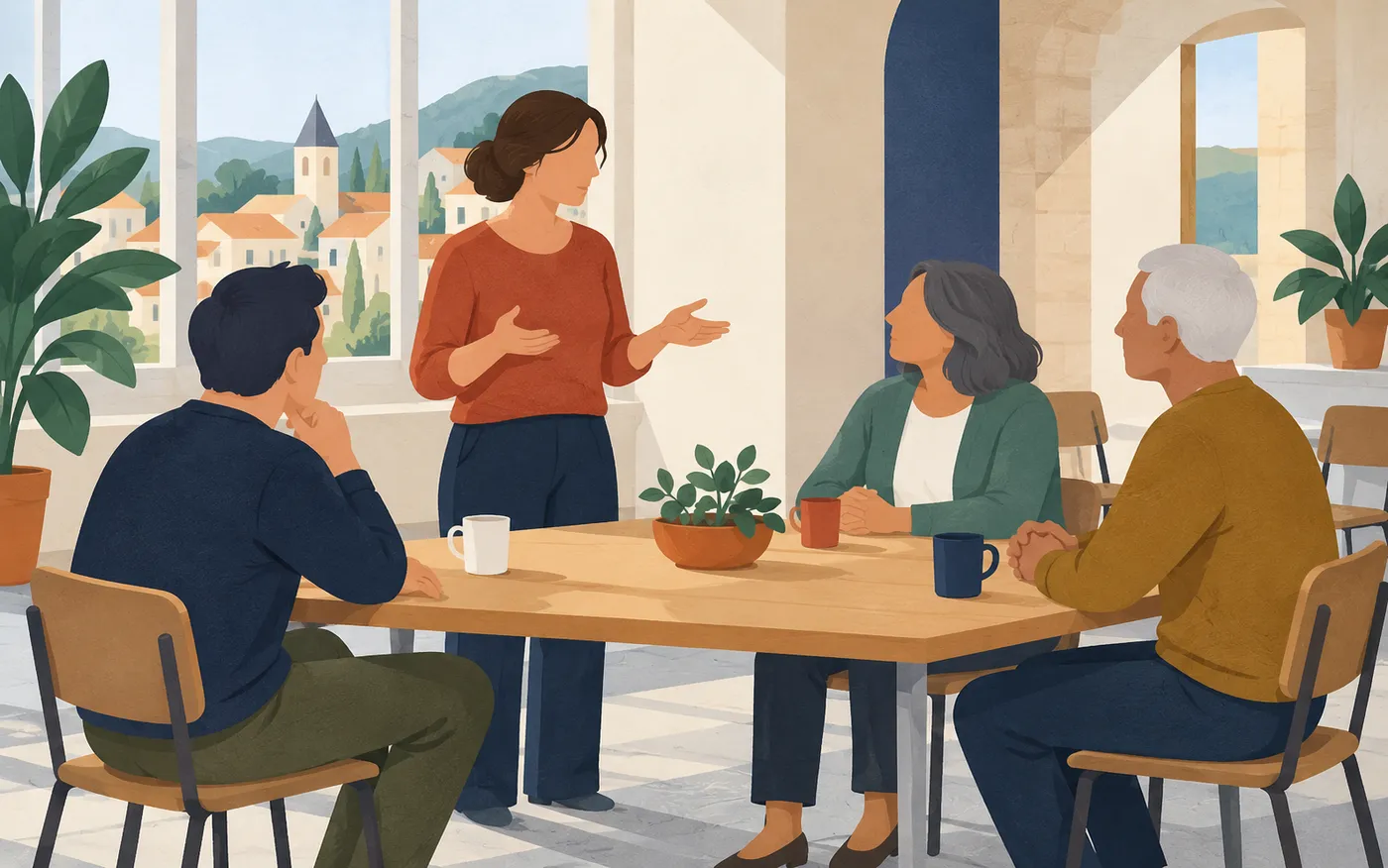
Develop an idea, build skills or enlarge a photo: compare développer and agrandir with a workshop scene, picture cards and four precise questions.
Grammar & usageArticleB1
Il reste or il manque? What's left and what's missing in French
Il reste means there is some left; il manque means something is missing. Learn both impersonal patterns with stock, time and money examples, then practise.
Pronunciation & listeningArticleB1
French pauses: where to break a longer message
Group French speech by meaning: keep linked words together, separate stages of a message and practise choosing useful pause points in short announcements.
Culture & registerArticleB2
Résider or habiter: saying where you live, and where the problem lies
Compare résider and habiter in home descriptions. See useful place prepositions, temporary stays and le problème réside dans, with a short quiz.
Verbs & tensesArticleA2
Prendre in French: meanings, conjugation and examples
Take a train, have a coffee, make a decision. Learn the verb with the words around it.
Words & expressionsArticleA2
Cheveux or poils? French hair words, with pictures
Learn cheveux for head hair and poils for body or animal hair, with picture cards, a portrait scene and questions on singulars and agreement.
Grammar & usageArticleA2
Qui est-ce qui or qui est-ce que? Ask who does what
Ask who is calling and who someone is calling. Compare qui est-ce qui with qui est-ce que through an outing scene, role pairs and four questions.
Pronunciation & listeningArticleA2
French /ɥ/: pronounce the glide in huit, nuit and lui
Find the shared glide in huit, nuit and lui. Compare /ɥ/ with French u and oui, practise short phrases and check the spellings and syllables.
Culture & registerArticleB1
Histoire de + infinitive: a casual way to say "just to"
Histoire de rire, histoire de changer: a relaxed spoken way to give a purpose in French. Compare it with pour, afin de and juste pour, and know when to use it.
Verbs & tensesArticleA2
Continuer à or arrêter de: keep doing, stop doing, stop to do
Compare continuer à travailler, arrêter de travailler and s’arrêter pour répondre. Follow an interruption at work, then choose the right pattern.
Words & expressionsArticleA1
Porter or mettre: wearing clothes and putting them on in French
Describe what you wear with porter and what you put on with mettre. Learn the present forms, clothing pronouns and useful examples with picture cards.
Grammar & usageArticleB2
Quand bien même: "even if" for a hypothetical concession
Quand bien même means even if, even supposing: quand bien même il pleuvrait, je sortirais. Learn its conditional pattern, register and difference from même si.
Pronunciation & listeningArticleB1
French consonant assimilation: why je pense can start with a ch sound
Follow the two changes in casual je pense: a vowel drops and neighbouring consonants interact. Compare absent and anecdote, then check the process.
Culture & registerArticleA2
Boulot or travail: a job, work to do and the plural travaux
Understand au boulot, du boulot and un boulot. Compare neutral travail, see why travaux often means building work, and try four short questions.
Words & expressionsArticleA2
Grand or gros: tall people, large rooms and bulky objects
Choose grand or gros with a tall person, a large room and a thick book. Study agreement, compare picture cards and try four focused questions.
Grammar & usageArticleB2
Ce sur quoi in French: what you work on, agree on or base an idea on
Build ce sur quoi from travailler sur, se mettre d’accord sur and reposer sur. Compare named relatives and check agreement in a short project scene.
Pronunciation & listeningArticleA2
French final consonants: check the word, then the phrase
Is the last consonant silent? Compare chat, sac and fil, check petit/petite, and separate a word’s ending from liaison in a short quiz.
Culture & registerArticleB1
Justement or exactement: “exactly” is only part of the story
Compare exact details with timely replies: exactement for a precise match, justement for a relevant point. Try two scenes and four questions.
Words & expressionsArticleA2
Tri or recyclage? Sorting objects and recycling materials
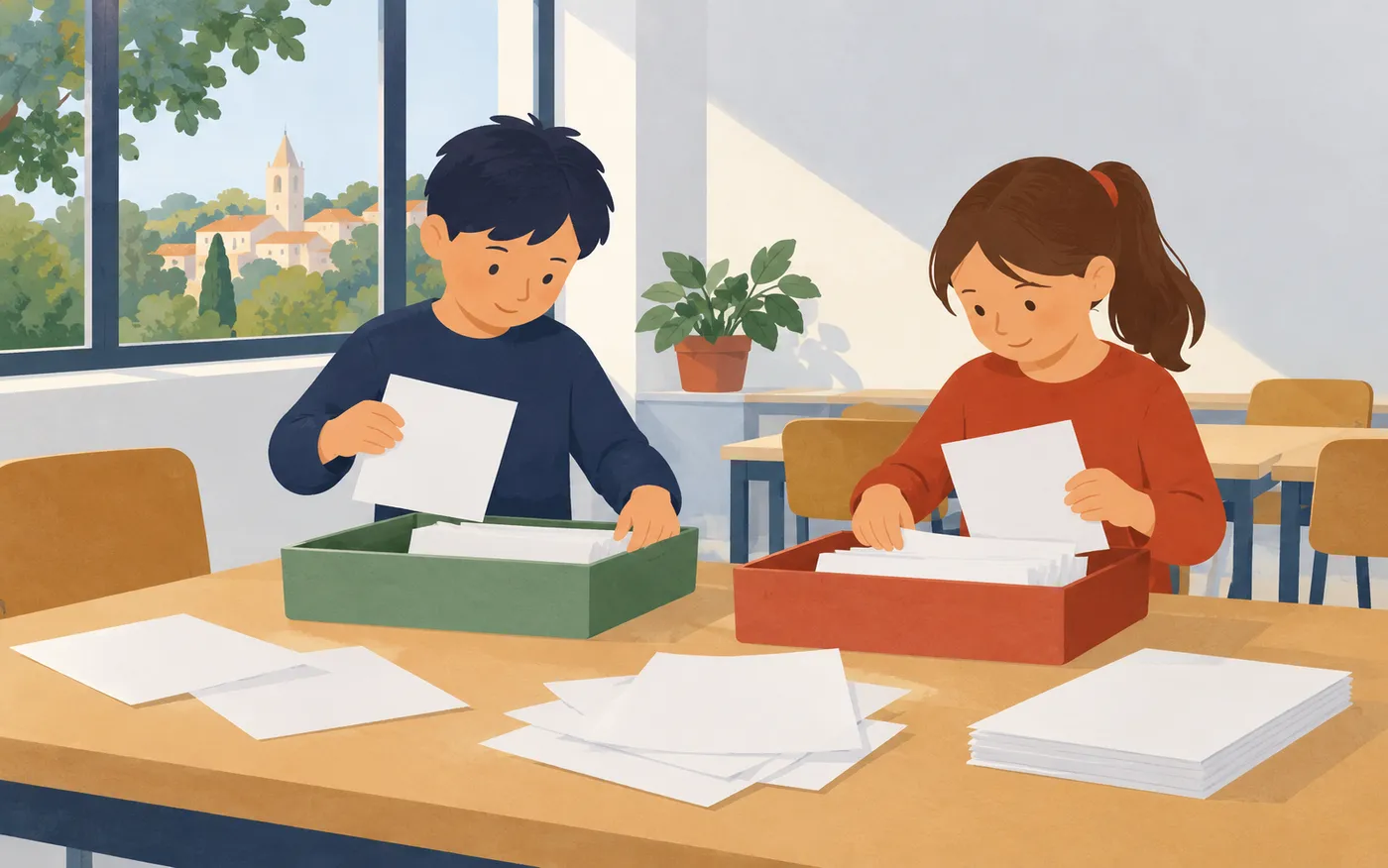
Learn le tri, le recyclage, trier and recycler through a school paper project. Picture the materials, compare the stages and test recyclable versus recyclé.
Grammar & usageArticleB2
De sorte que: result or purpose? Compare the French verb forms
Compare de sorte que + indicative for a reported result with the subjunctive for a purpose. Follow a speaker’s preparation, then choose the right reading.
Pronunciation & listeningArticleB1
Why familiar French words sound different in a new voice
Connect known French words to a new voice. Compare full and reduced phrases, check the wording, and use the same message to focus on speaker differences.
Words & expressionsArticleA2
Long or loin? Describe length, journey time and distance in French
Use long and longue for length or duration, loin for distance and longtemps for time spent. Compare a route, a wait and a rope, then choose the right form.
Grammar & usageArticleA1
Why French uses j’ai faim for “I’m hungry”
Understand the avoir faim construction and the related expressions for thirst, feeling hot and feeling cold.
Pronunciation & listeningArticleA2
Beau or bon? French oral and nasal vowels in useful pairs
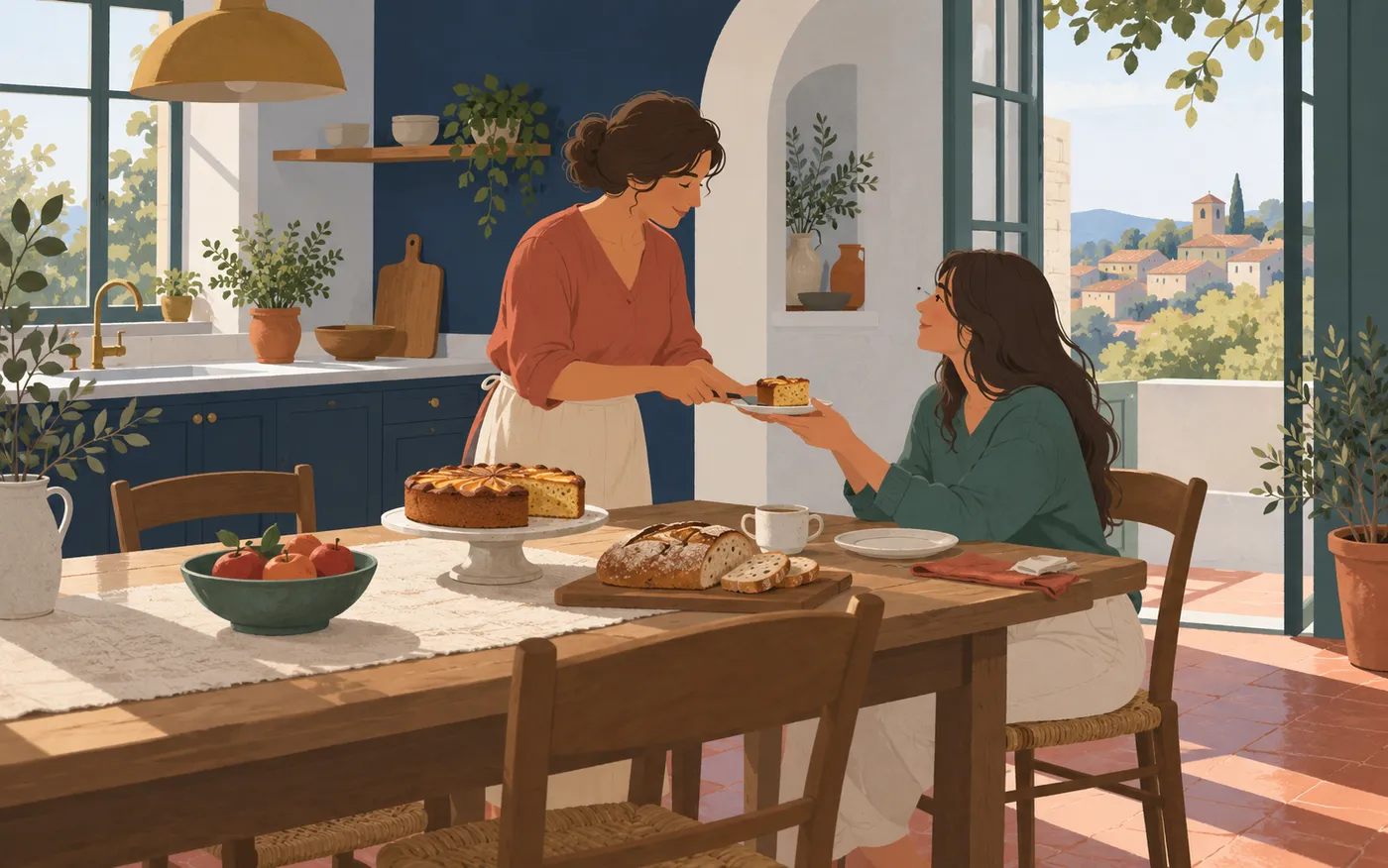
Compare beau/bon and paix/pain, then follow a short family tea-time scene. See how bon, bonne and peinte have three different vowel-and-consonant patterns.
Words & expressionsArticleA2
Besoin or envie? Say what you need and what you feel like
Use avoir besoin de and avoir envie de with nouns and verbs. Compare a need and a wish, follow a study scene, then try four questions.
Grammar & usageArticleB1
D'ici vendredi: a French deadline, not just a day
D'ici vendredi means "by Friday", not "on Friday". Compare d'ici, avant, dans and pour with timelines, workplace examples and a short check.
Pronunciation & listeningArticleB1
French transcripts and speech: why the words seem different
Compare ordinary spelling, casual speech and edited transcripts through a café exchange, a correction and four questions on what the text preserves.
Words & expressionsArticleB1
Titre or intitulé? A book title, a heading and an exact label
Choose titre or intitulé for a book, article, course or job. Compare exact labels, read a short editorial scene and test the distinction.
Grammar & usageArticleC1
What does parce que explain? Check the scope of a French reason
Separate an event’s cause, evidence for a belief and a reason for speaking. Compare French rewrites and test which claim each reason explains.
Pronunciation & listeningArticleA1
French /j/: say yeux and pied in one syllable
Understand the /j/ glide in yeux, pied and fille. Compare it with written j in jour, see where it sits in a syllable, and practise with picture words.
Words & expressionsArticleA1
Bureau or travail: a desk, an office or your work?
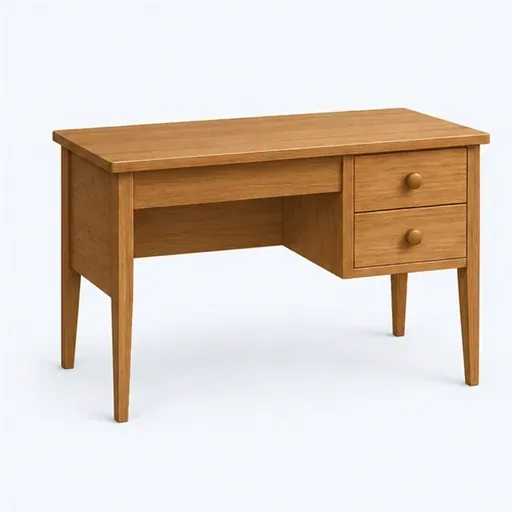
Learn when bureau means a desk or an office, and how travail describes work. Picture cards, a morning conversation and four questions make the difference clear.