228 pages
Articles
Articles for learners of French, from A1 to C2.
All page types 29
Learn and look up
Practise
Play with words
Read real French
Culture & registerArticleB1
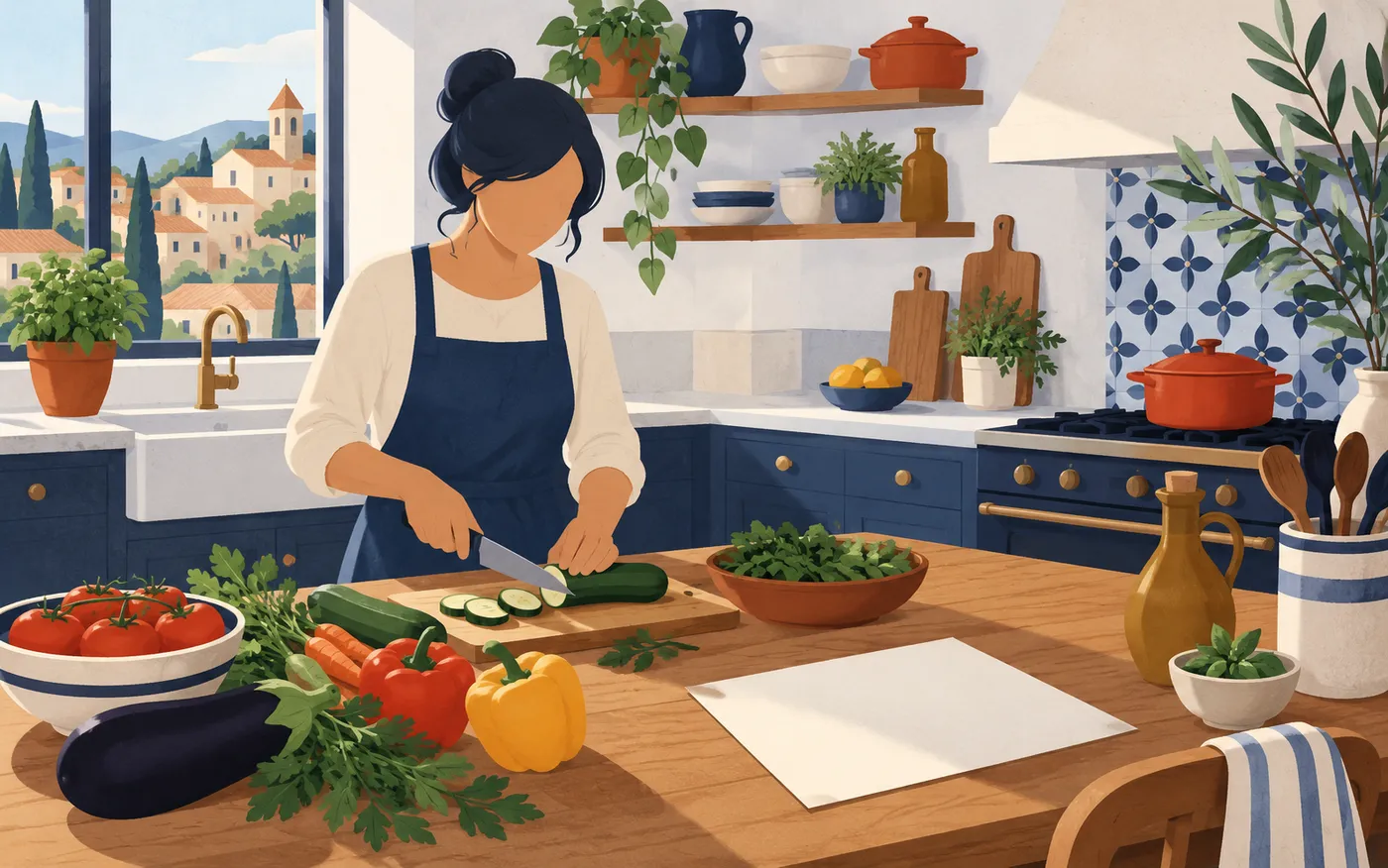
Bosser or travailler? Compare the tone of French verbs
Compare bosser and travailler, galérer and avoir des difficultés, rigoler and rire. See what changes in tone and what the sentence actually tells you.
Verbs & tensesArticleA2
Avoir or être: start with the verb
Choose avoir or être in the passé composé by looking at the verb, then check agreement with complete example sentences.
Reading & writingArticleB2
Revise a French argument paragraph: claim, reason and limit
Follow one French paragraph through three edits: name the problem, explain the proposed change and replace réglerait tout with a precise, limited benefit.
Words & expressionsArticleA2
Apporter or amener? What to bring and who to bring
Bring a cake with apporter and a friend with amener. Compare destinations, practise a dinner invitation and check the present-tense accent change.
Grammar & usageArticleB1
Tandis que and alors que: while or whereas?
Read tandis que and alors que as time, contrast or both. Compare preferences and overlapping actions, then test the relationship in four examples.
Pronunciation & listeningArticleA2
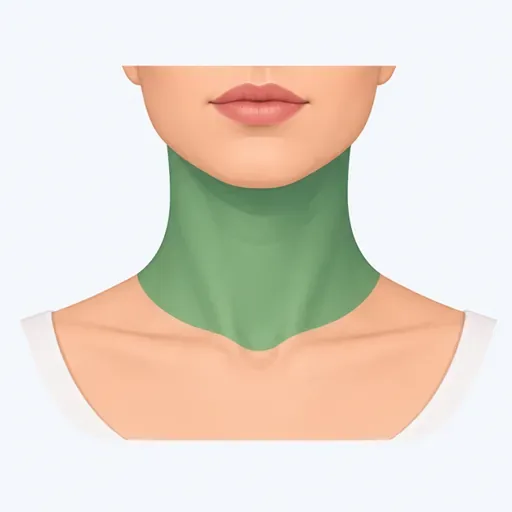
French k and g sounds: practise cou and goût
Compare cou /ku/ and goût /gu/, learn where the tongue goes, and recognise c, qu, g and gu with picture cards, spelling examples and a short quiz.
Culture & registerArticleB1
Rire, rigoler or se marrer: laughing and joking in French
Choose between rire, rigoler and se marrer with a register comparison, a joking exchange, useful verb forms and four quick practice questions.
Verbs & tensesArticleA2
Imperative or infinitive? Two ways to write French instructions
Compare ouvrez with ouvrir in French instructions. See parallel steps, negative forms and reflexive pronouns, then choose a consistent pattern.
Reading & writingArticleB2
After par exemple: explain what your French example shows
Add commentary after a French example: connect the useful detail to your point, choose a precise takeaway and keep the conclusion within the case.
Words & expressionsArticleA2
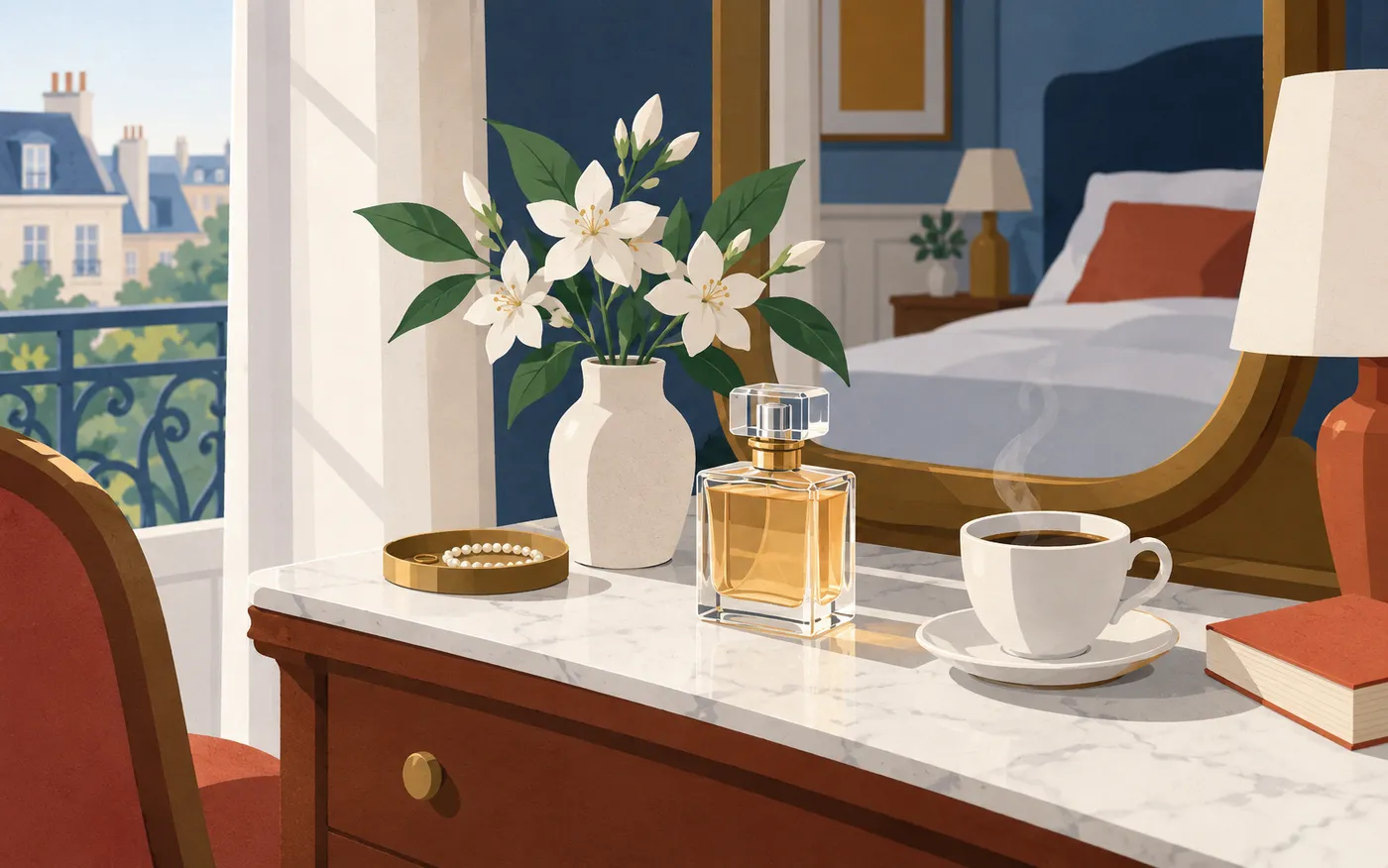
Odeur or parfum? Smells, scents and perfume in French
Describe coffee, flowers and perfume in French. Compare une odeur and un parfum, explore four picture cards and test the meanings in context.
Grammar & usageArticleA2
Entre or parmi? Compare positions, groups and choices
Explore a park to compare entre and parmi, then use them with groups, choices and pronouns. Learn why entre can connect more than two things.
Pronunciation & listeningArticleB1
A French syllable seems to vanish: what to check
Compare petite, je sais pas and vous avez to separate a reduced vowel, an omitted word and a linked boundary. Try four short diagnosis questions.
Culture & registerArticleC2
A fortiori, a contrario, mutatis mutandis: read French academic Latinisms
Recognise a fortiori, a contrario and mutatis mutandis in French academic arguments, with clear paraphrases and scope checks that keep distinct inference types apart.
Verbs & tensesArticleB1
Je pouvais or j’ai pu? Past ability and a successful attempt
Compare available ability with a completed attempt: je pouvais, j’ai pu and je n’ai pas pu, plus the different meaning of il a pu oublier.
Reading & writingArticleC1
French nominal sentences in literature: reading prose without a finite verb
Understand French noun-led fragments in literary prose. Reconstruct viewpoint, time and implied links, then compare a full-sentence rewrite and practise.
Words & expressionsArticleB1
Croire or penser: saying what you think and who you believe
Compare je crois que and je pense que, then learn je te crois, croire en and penser à through a conversation about a rumour and five questions.
Grammar & usageArticleB2
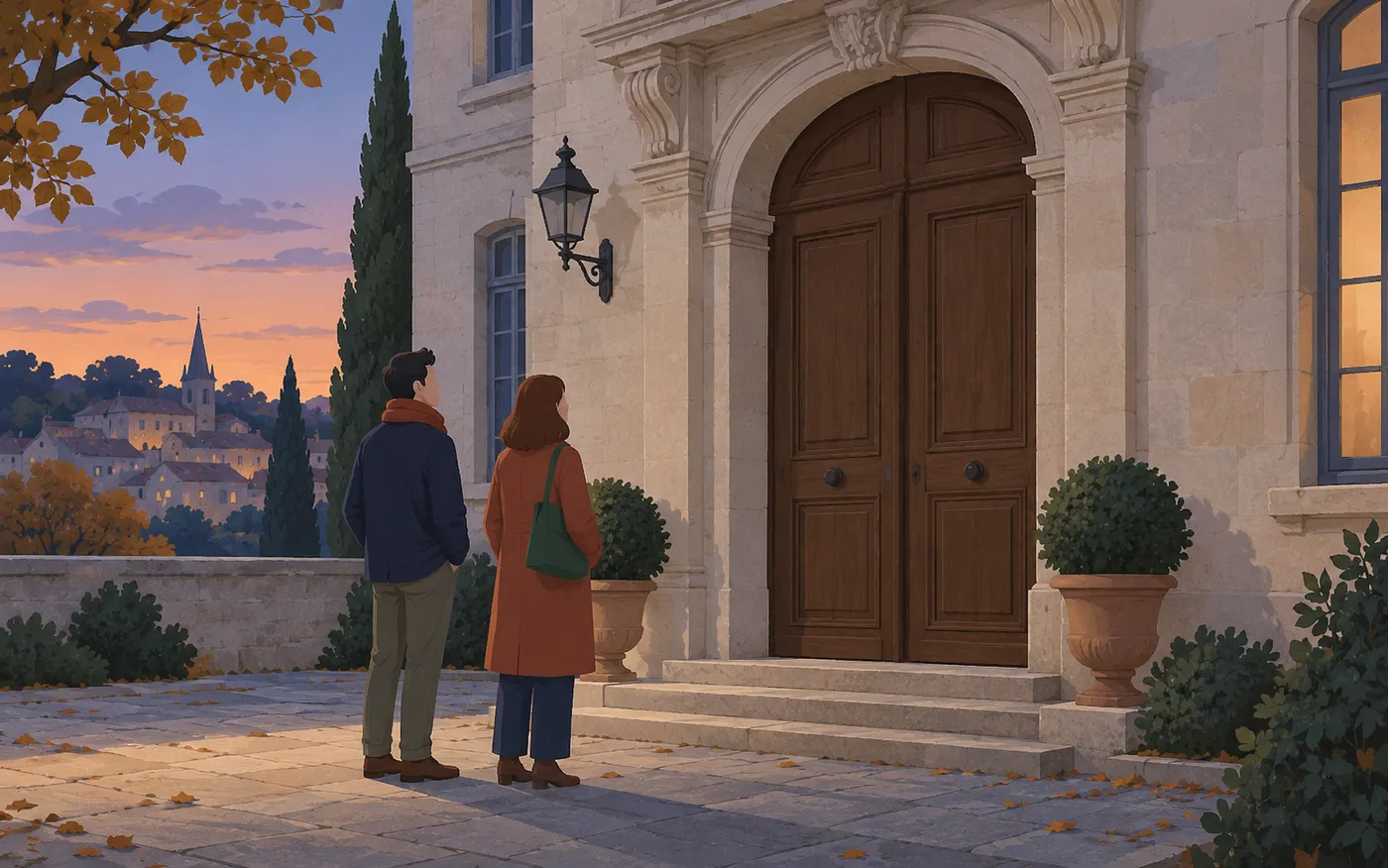
La porte est fermée: a state or an action in French?
Compare a closed door with a closing event. Explore a museum entrance, read two short scenes and check how French context separates state from action.
Pronunciation & listeningArticleA2
French stress versus English: give the phrase a clear ending
Move from English word stress to French phrase rhythm. Mark useful groups, keep vowels clear and practise changing the focus of a short message.
Culture & registerArticleB1
Mon œil ! in French: “yeah, right!” and when to use it
Understand mon œil ! as a familiar reaction of disbelief. Compare a teasing exchange, a literal eye sentence and calmer ways to question an explanation.
Verbs & tensesArticleB1
Une porte fermée: French past participles as adjectives
See fermé, ouvert, écrit and cassé describe everyday objects. Compare all four agreement forms, then choose the ending each noun needs.
Reading & writingArticleC1
Metonymy or synecdoche in French: identify the relationship
Distinguish French metonymy from synecdoche through association and part–whole links. Interpret examples, compare literal readings and justify your answers.
Words & expressionsArticleA2
Savoir or connaître: which French verb means “know”?
Choose savoir for facts and skills, connaître for familiarity. Compare examples, all six present forms and four questions with clear explanations.
Grammar & usageArticleC1
Eu égard à or au regard de? Two ways to frame a formal judgement
Compare eu égard à and au regard de in short reports. Learn their à/de contractions, noun complements and everyday alternatives, then try four questions.
Pronunciation & listeningArticleA1
French liaison explained: why les amis has a z sound
Compare les livres and les amis, learn two everyday liaison patterns, and tell linking apart from elision and enchaînement with simple examples and a quiz.
Culture & registerArticleB2
Ultérieur or plus tard: later dates, actions and formal French
Use ultérieur with a noun, plus tard with an action and ultérieurement in careful writing. Compare agreement, later reference points and English ulterior.
Verbs & tensesArticleB1
Plus-que-parfait or passé composé? Tell events in order or look back
Compare a forward-moving account with a flashback. Paired life-story examples and four questions show when French needs an earlier-past viewpoint.
Reading & writingArticleC1
Analysis or evaluation? Two jobs in French argument writing
Compare French analysis and evaluation using one short argument. Identify the reasoning, choose a criterion and practise writing a precise critical response.
Words & expressionsArticleA2
Gentil or sympa: how to say someone is nice in French
Choose gentil for kindness and sympa for friendly company. Compare thank-yous, learn gentille and sympas, then test the words in short exchanges.
Grammar & usageArticleB1
Lire aide à comprendre: make an action the subject in French
Use an infinitive as a French subject, find the conjugated main verb and practise singular agreement even when the action has a plural object.
Pronunciation & listeningArticleA2
French open and closed o: paume /pom/ and pomme /pɔm/
Compare the French vowels /o/ and /ɔ/ with paume and pomme. Use mouth-position cues, picture cards and a short scene, then check the sound patterns.
Culture & registerArticleB1
Finalement or enfin: in the end, at last or one last point?
Use finalement for an outcome and enfin for at last, a final step or a correction. Compare four clear French scenes and check your understanding.
Verbs & tensesArticleC1
Et lui de rire: how the French narrative infinitive tells an event
Read et lui de rire as a narrative event. Identify its actor, compare de + infinitive complements and requests, then check four short examples.
Words & expressionsArticleB1
Améliorer or perfectionner? Improving French, skills and work
Compare broad improvement with further refinement: améliorer son français, perfectionner sa technique and se perfectionner en français. Examples and four checks.
Grammar & usageArticleC1
Autant… autant: contrast two sides of the same thing
Build balanced French contrasts with autant… autant. Compare a plan, a presentation and two responses, then distinguish contrast from equal quantities.
Pronunciation & listeningArticleA2
French t and d: compare temps /tɑ̃/ and dent /dɑ̃/
Practise the French t/d contrast with temps and dent, tout and doux. Find the tongue position, use four picture cues and check the sounds in short phrases.
Culture & registerArticleB1
Nickel or impeccable: spotless rooms and perfect arrangements
Learn familiar nickel and impeccable for clean objects and arrangements that suit you. Compare agreement, try picture cards and answer three questions.