The French presidential election 2027: the dates and how two rounds work
France votes for a president on 18 April and 2 May 2027. How the two-round system works, the official calendar, who can vote, and the election words you will hear all spring.
The first round is on Sunday 18 April 2027 and the second on Sunday 2 May. A candidate needs more than half the votes to win outright; otherwise the top two meet again two weeks later. The president is elected for five years.
Yellow the idea to rememberBlue French to learn
How it works, step by step
The calendar
Two Sundays, two weeks apart
The official campaign opens on Monday 5 April. Round one is on 18 April, round two on 2 May. Some overseas territories vote on the Saturday, because of the time difference.
le premier tour, le second tour the first round, the second round
Round one
More than half, or it goes on
To win on the first Sunday a candidate needs an absolute majority: more than 50 votes in every 100 cast. With many candidates this has never happened under the present system.
la majorité absolue more than half of the votes cast
Round two
Only two names on the table
The two candidates with the most votes go through. Everyone else is out, and their voters choose again, or stay at home. The one with more votes on 2 May is elected.
le report de voix votes moving to another candidate in round two
Second tourdimanche 2 mai 2027
CANDIDAT AQUALIFIEFirst in round one: goes through
CANDIDAT BQUALIFIESecond in round one: goes through
CANDIDAT CELIMINEThird and below: eliminated
The result
Announced at eight o’clock
Polling stations close at 7 pm, 8 pm in big cities. At exactly 8 pm television shows the winner’s face, from estimates based on the first counted stations. The official result follows days later.
les estimations de vingt heures the eight o’clock estimates
Élection du président de la République. Second tour, dimanche 2 mai 2027. Le candidat ayant recueilli le plus de suffrages est proclamé :
ÉLU POUR 5 ANSle quinquennat
“Elected for five years.” The term is called le quinquennat.
Who can vote, and how
- French citizens over 18
Registered on the electoral roll, la liste électorale. EU citizens living in France vote in local and European elections, not this one.
- 500 signatures to stand
A candidate needs the sponsorship, le parrainage, of 500 elected officials. That is why the list of names is only final in March.
- No postal vote
You vote in person, or give une procuration to another voter who votes for you.
- Paper and an envelope
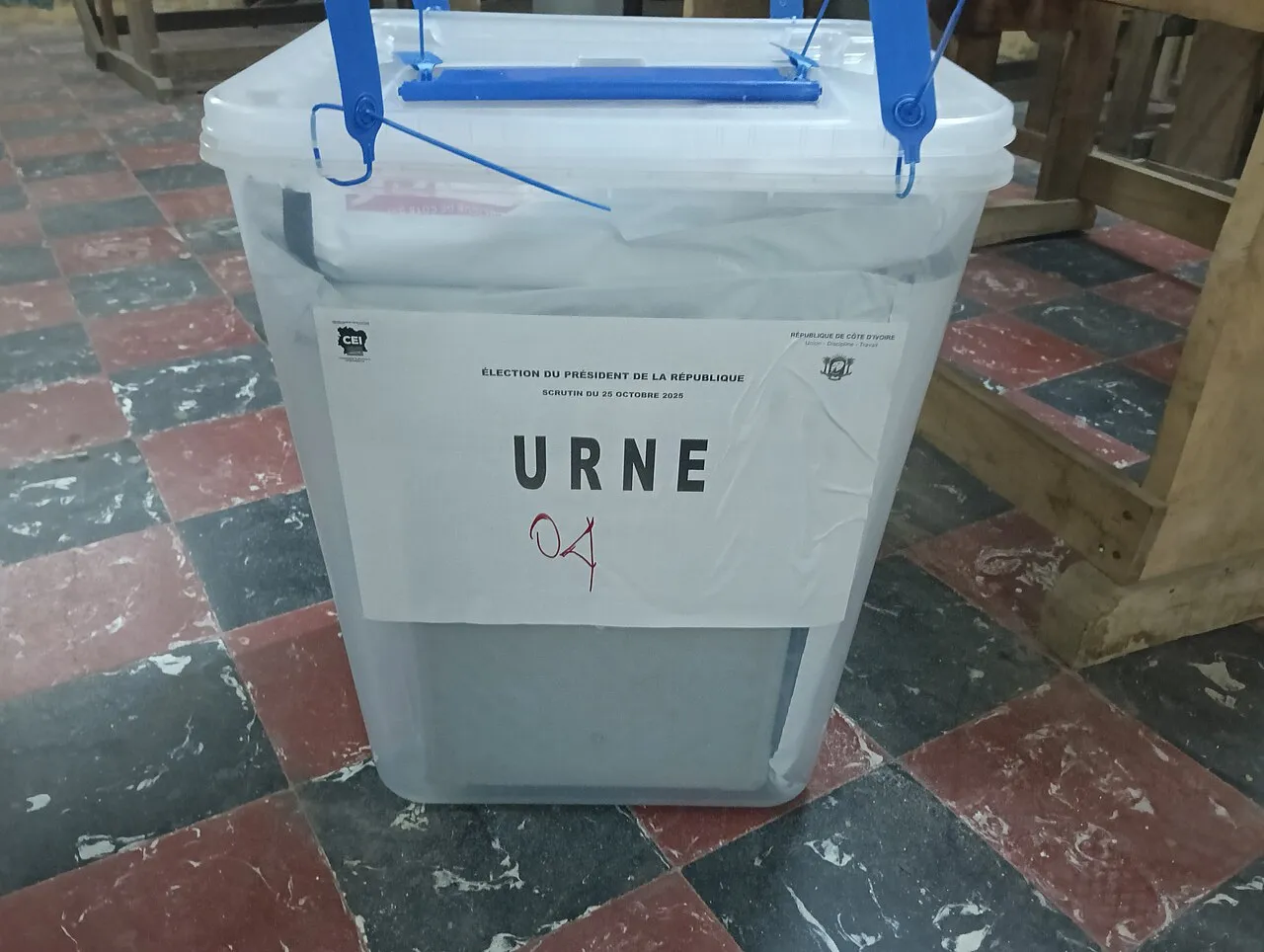
One slip per candidate. You take several, go into l’isoloir, put one in the envelope, and drop it in l’urne.
- Blank votes are counted apart
Un vote blanc is an empty envelope. It is counted, but not included in the percentages.
- Equal airtime
During the official campaign every candidate gets the same speaking time on radio and television.
From signatures to the Élysée
The two Sundays are the visible part. The rules around them are fixed by law and repeat at every election, which makes the months before April easy to follow once you know the steps.

- Les parrainages
To stand, a candidate needs the signatures of 500 elected officials, mostly mayors, from at least thirty départements. The Constitutional Council checks them and publishes the names.
- The official list
The Council publishes the final list of candidates about a month before the first round. Only then does anyone know how many ballots will be on the table.
- The official campaign
It opens on the second Monday before the first round. From then on every candidate gets exactly the same speaking time on radio and television, down to the minute.
- Le silence électoral
From midnight on Friday no campaigning, no interviews and no polls may be published until the last polling station shuts on Sunday.
- Election day
Polling stations open at 8 am and close at 7 pm, 8 pm in the big cities. The first estimates appear on every screen at 8 pm exactly.
- The handover
The Constitutional Council proclaims the result. The new president takes office when the current term ends, in mid-May, at a ceremony called la passation de pouvoir.
If you are French and not yet registered
You must be on the electoral roll of your town, inscrit sur les listes électorales. The deadline is the sixth Friday before the vote: Friday 12 March 2027, the same whether you register online or at the town hall.
- Turning 18
Young people are registered automatically if they did the census at 16. It is still worth checking online.
- Moved house
Registration does not follow you. Sign up again in the new town or you will be expected at the old polling station.
- Abroad or away
Set up une procuration online, then confirm it in person at a police station, a gendarmerie or a consulate. The person you choose may be registered in another town, and must go to your polling station to vote for you.
- Other EU citizens
Residents from other EU countries can vote in municipal and European elections in France, and not in this one.
One fact shapes the whole 2027 race: the constitution allows two consecutive terms and no more, so the president in office cannot stand again.
Words of the campaign
| French | English |
|---|---|
| un scrutin | a ballot, an election |
| le taux de participation | turnout |
| l’abstention | not voting |
| un sondage | an opinion poll |
| le président sortant | the outgoing president |
| la passation de pouvoir | the handover of power |
The words of polling day
What you hear on election day
- le premier tour
The first round, open to every candidate.
- le second tour
The run-off between the top two, two weeks later.
- un bulletin
A ballot paper: one slip per candidate. You take several and choose in private.
- l’isoloir
The curtained booth. Going through it is compulsory.
- l’urne
The transparent ballot box.
- une procuration
A proxy: another voter casts your vote for you.
Set up in advance, online then at a police station. - A voté !
“Has voted!”: called aloud as your envelope drops in.
At the polling station, object by object
- les bulletins
Take a paper slip for several candidates, and an envelope.
- l’isoloir
Go behind the curtain. Put one slip in the envelope.
- l’urne
Show your ID. Drop the envelope into the clear box.
- l’émargement
Sign the register. The official says A voté !
How long each is elected for
French terms of office
- le président president5 ans
- les députés members of the National Assembly5 ans
- les sénateurs senators6 ans
- les maires mayors6 ans
- les députés européens members of the European Parliament5 ans
The president may serve two terms in a row, no more.
Official sources
- Government: presidential election 2027Dates, calendar and how to vote.info.gouv.frsite officiel
- Service-Public: election datesEvery coming election, mainland and overseas.service-public.gouv.frsite officiel
- Ministry of the Interior: the electionRules for voters and candidates.elections.interieur.gouv.frsite officiel