French school years and ages: from maternelle to terminale
Which class for which age in France, with British and American equivalents: the four stages, why secondary classes count down, the exams on the way, the school day and the words on the gate.
School is compulsory from 3 to 16, in four stages: maternelle (3 to 5), élémentaire (6 to 10), collège (11 to 14) and lycée (15 to 17). The class goes by calendar year of birth: all children born in 2020 start CP in September 2026. Secondary classes count down, from sixième to terminale.
Yellow the idea to rememberBlue French to learnRed watch out
The four stages
School in France
- la maternelle3 to 5PS · MS · GS
- l’élémentaire6 to 10CP to CM2
- le collège11 to 146e to 3e · brevet
- le lycée15 to 172de · 1re · terminale · bac
School is compulsory from the age of three; education or training until eighteen.
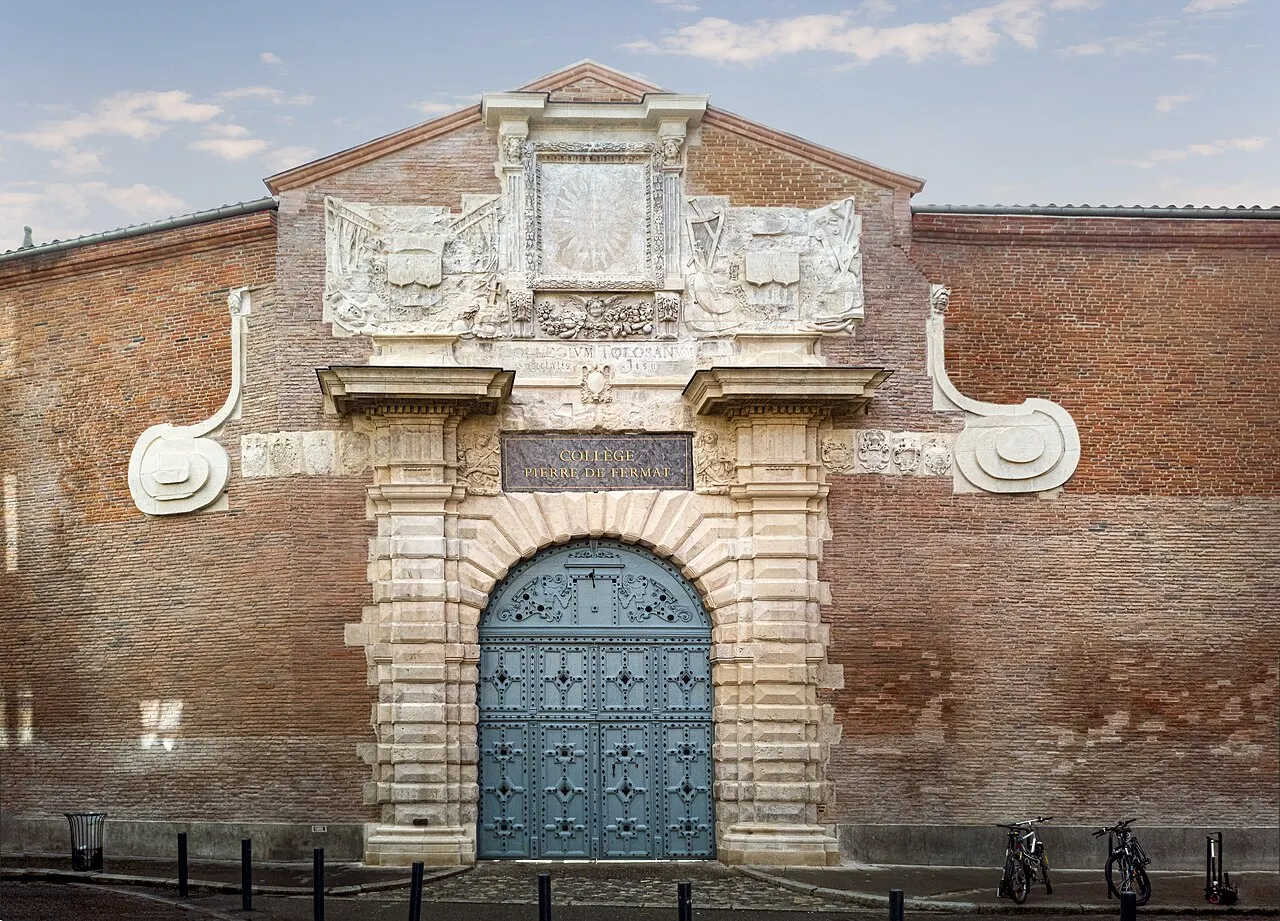
Class by class
Which class will my child be in?
| France | Age in September | England | United States |
|---|---|---|---|
| l’école maternelle nursery school | |||
| petite section (PS) | 3 | Nursery | Preschool |
| moyenne section (MS) | 4 | Reception | Pre-K |
| grande section (GS) | 5 | Year 1 | Kindergarten |
| l’école élémentaire primary | |||
| CP | 6 | Year 2 | 1st grade |
| CE1 | 7 | Year 3 | 2nd grade |
| CE2 | 8 | Year 4 | 3rd grade |
| CM1 | 9 | Year 5 | 4th grade |
| CM2 | 10 | Year 6 | 5th grade |
| le collège lower secondary | |||
| sixième (6e) | 11 | Year 7 | 6th grade |
| cinquième (5e) | 12 | Year 8 | 7th grade |
| quatrième (4e) | 13 | Year 9 | 8th grade |
| troisième (3e) | 14 | Year 10 | 9th grade |
| le lycée upper secondary | |||
| seconde (2de) | 15 | Year 11 | 10th grade |
| première (1re) | 16 | Year 12 | 11th grade |
| terminale | 17 | Year 13 | 12th grade |
French classes go by calendar year of birth, so a child born between September and December sits one class higher than in England.
The initials: CP is cours préparatoire, the year children learn to read; CE is cours élémentaire; CM is cours moyen. Repeating a year, redoubler, and skipping one, sauter une classe, both exist and are decided with the parents.
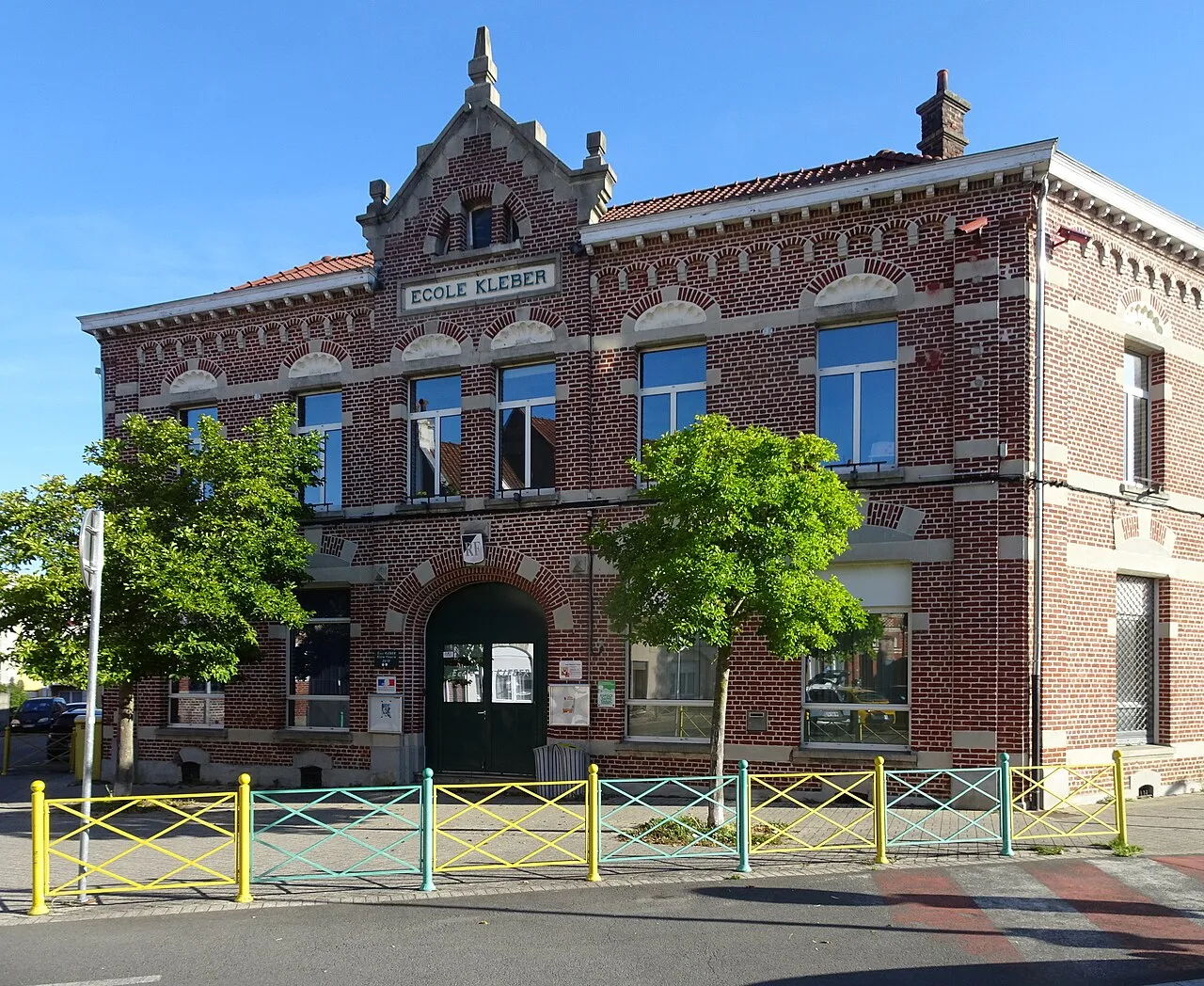
The exams on the way
Three milestones
- le brevet (DNB) end of *collège*, age 14 or 15end of 3e
Written papers in French, maths, history-geography and science, plus an oral. It does not decide entry to lycée.
- le bac de français end of *première*, age 16 or 17end of 1re
A written and an oral in French literature, counted towards the final result.
- le baccalauréat end of *terminale*, age 17 or 18end of terminale
The passport to university. General, technological or vocational. Marked out of 20; 10 is a pass, with honours from 12.
Three kinds of lycée
Chosen at the end of troisième
- Towards universityle lycée général
A common core plus three specialist subjects in première, two in terminale.
bac général - Towards applied higher studiesle lycée technologique
Management, industry, health and social, laboratory sciences, hotels.
bac techno - Towards a tradele lycée professionnel
A trade diploma in two years, CAP, or a vocational bac in three, with long work placements.
CAP, bac pro
The school day and week
A four-day primary week
| lun. | mar. | mer. | jeu. | ven. | |
|---|---|---|---|---|---|
| la garderiefrom 7.30 | |||||
| la classe8.30 to 11.30 | |||||
| la cantinelunch | |||||
| la classe1.30 to 4.30 | |||||
| l’étude, le périscolaireuntil 6 or 6.30 |
lessons optional, paid or means-tested
Dark is lesson time, light is optional and paid by income. Most towns have no primary school on Wednesday; some have Wednesday morning. Collège and lycée run five days, often until 5 or 6 pm.
- The year
Early September to early July, in five blocks of about seven weeks, each followed by two weeks of holiday. Dates depend on your zone, A, B or C.
- State or private
L’école publique is free and secular. Le privé sous contrat, mostly Catholic, follows the same curriculum for modest fees.
- Which school
By your address: la carte scolaire. The town hall for primary, the education authority for secondary.
- Children who do not speak French
A dedicated class, UPE2A, gives intensive French for a year alongside the ordinary class. Ask at enrolment.
- Under 3
La crèche or a childminder, une assistante maternelle. Places are scarce: apply during pregnancy.
| French | English |
|---|---|
| la rentrée | the start of the school year, in September |
| le maître, la maîtresse | the primary teacher |
| le professeur principal | the form tutor |
| le cahier de liaison, Pronote | the home-school notebook; the app that replaced it |
| les devoirs | homework |
| la récréation, la récré | break |
| la cantine | the canteen |
| le conseil de classe | the termly meeting that reviews each pupil |
Checked 20 November 2026. That instruction is compulsory from 3 to 16, with a duty to stay in training until 18, was read on Service-Public. The names and order of the classes are the national ones and do not change from year to year.