Invited to dinner in France: what to bring, when to arrive, how it goes
A French dinner at someone’s home from the doorbell to the goodbye: the fifteen minutes of politeness, the right gift, the apéritif, the order of courses, table manners that matter, and when to leave.
Arrive ten to fifteen minutes after the time given, bring flowers, chocolates or a good bottle, and expect the evening to last three or four hours. Wait to be seated, keep your hands on the table, and do not start eating or drinking before the host does.
Yellow the idea to rememberBlue French to learnRed watch out
Before you go
What to bring
 des fleurs flowersalways right
A bouquet from a florist, who will wrap it. Not chrysanthemums: they are for graves. Red roses are for lovers.
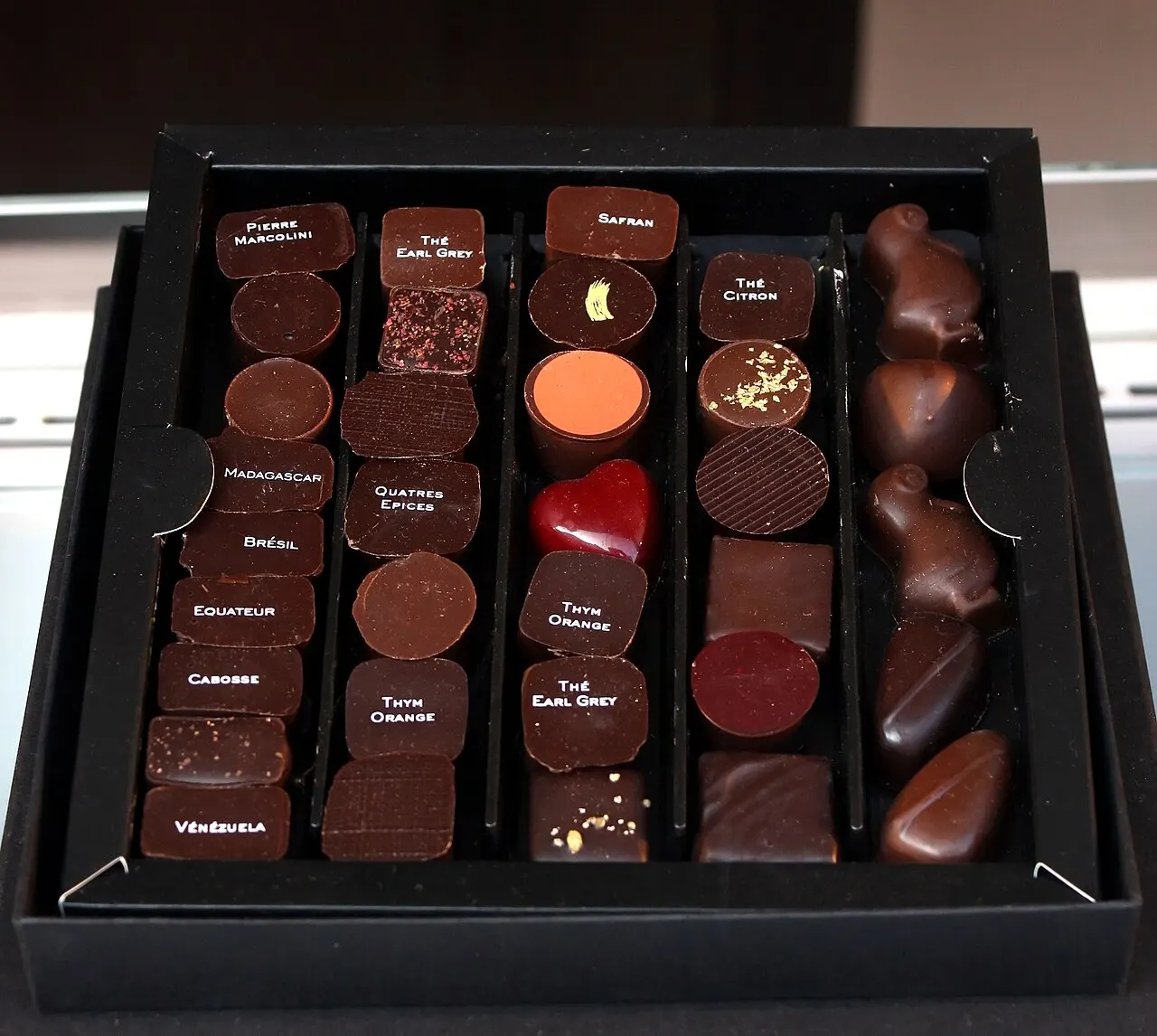
 des chocolats chocolatesalways right
A box from a chocolatier, not the supermarket.
 une bouteille a bottlefine
Good wine or champagne. It is a gift: the host may put it away and serve the wine chosen for the meal.
 un dessert, du fromage dessert, cheeseask first
Only if you asked first: Je peux apporter quelque chose ?
 quelque chose de chez vous something from your countrybest of all
A speciality from home is remembered longer than anything else.
- rien nothingavoid
Arriving empty-handed is noticed.
- Reply quickly
Yes or no within a day or two, and say then if you do not eat something: Je préfère vous prévenir, je suis végétarien(ne).
- Dress
A notch smarter than you would at home. Shoes stay on unless the host is in socks.
- Children
Are invited only if named. Ask.
When to arrive
When “8 o’clock” means something else
Dinner at someone’s home Never early: le quart d’heure de politesse.
An *apéro dînatoire* or a party Nobody arrives at the hour.
A restaurant booking with friends On time: the table is held for fifteen minutes.
Lunch on Sunday with family About on time; the meal is long.
-15 minthe time given+30 min
The green band is the polite window. More than half an hour late: send a message.
How the evening goes
From the doorbell to the door
- 8.15 pmGreetings la bise ou une poignée de main
To everyone already there, one by one. Hand over the gift at the door.
- 8.15 to 9 pmThe apéritif l’apéro
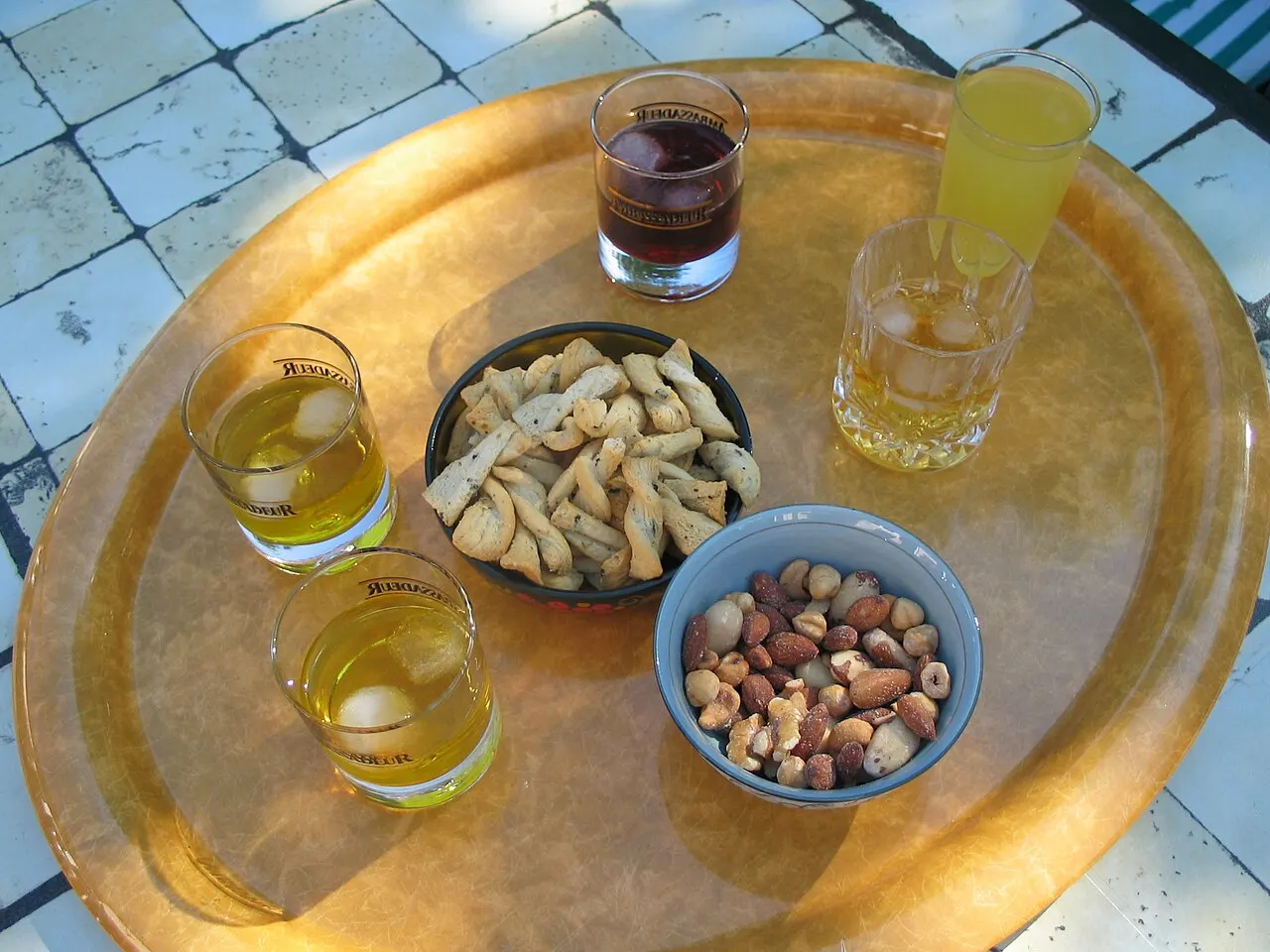
In the living room, standing or on sofas: a drink, olives, small things to eat. Wait for the toast: Santé ! with eye contact.
- 9 pmTo the table À table !
Wait to be told where to sit. Couples are often separated.
- 9 to 11 pmThe meal
Starter, main, cheese with salad, dessert. Portions are modest because there are four courses.
- 11 pmCoffee un café, une tisane
At the table or back on the sofa, sometimes with a digestif.
- About midnightLeaving
When coffee is finished and the conversation slows. Leaving straight after dessert is abrupt.
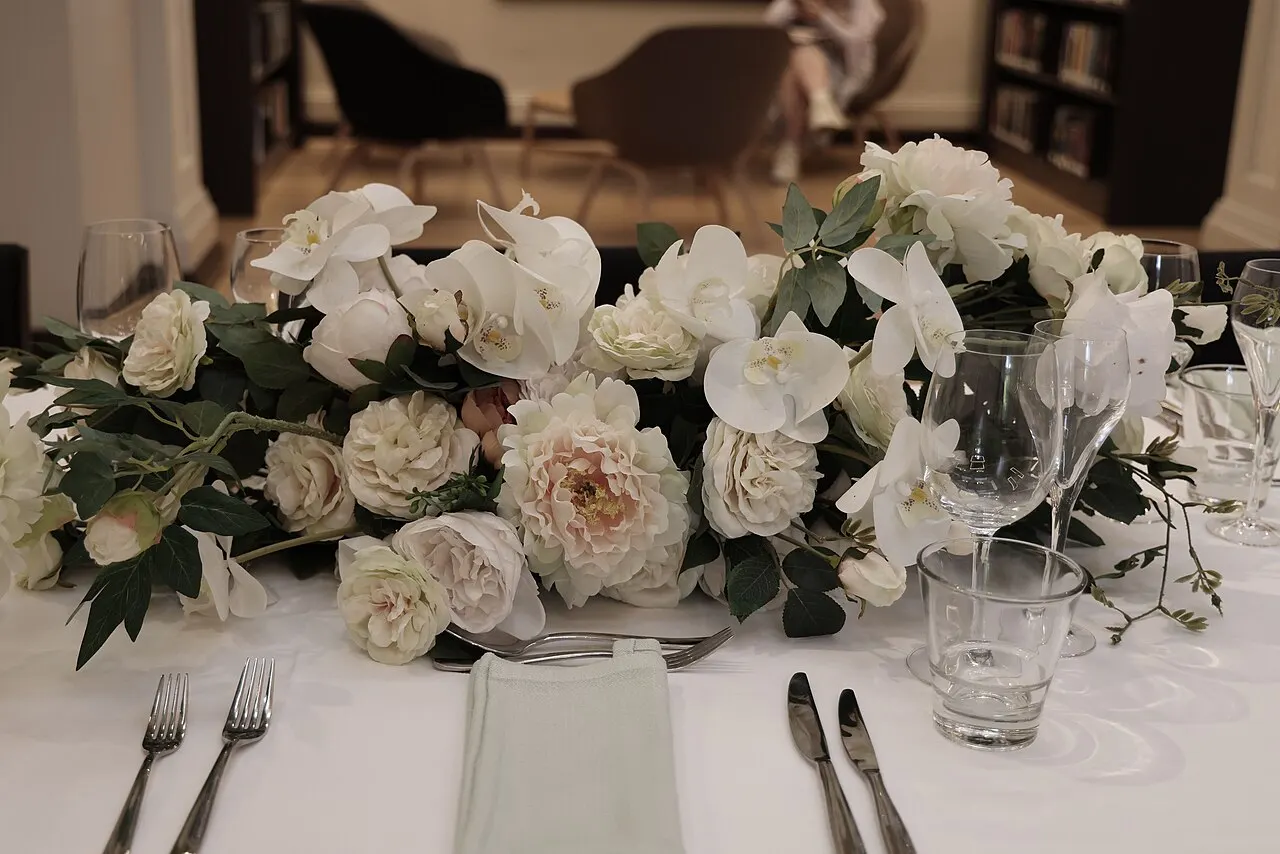
At the table
What is noticed
Starting before the host
Wait until everyone is served and the host says it.
Bon appétit !
Hands in your lap
Both hands on the table, wrists on the edge. Elbows off.
Pouring your own wine first
Serve your neighbours, then yourself. Do not fill glasses to the top.
Je vous en ressers ?
Cutting the salad with a knife
Fold the leaves with your fork. Bread is broken by hand.
Cutting the tip off the cheese
Cut wedges so that everyone gets rind and centre. Take cheese once.
Refusing a dish outright
Take a small amount, or say you have had plenty.
C’était délicieux, mais je n’ai plus faim.
- Bread
On the tablecloth beside your plate, not on the plate. Use it to push food onto the fork, and at the end, to wipe the plate in an informal house.
- Seconds
Offered once for the main course. Accept if you want: it is a compliment.
- The phone
Out of sight, on silent.
- Helping
Offer once: Je peux vous aider ? If the answer is no, stay seated. Do not walk into the kitchen uninvited.
- Compliments
On the food, specifically, and ask for the recipe.
Conversation
At a dinner with people you have just met
Food, restaurants, marketsVous connaissez un bon restaurant par ici ?
Holidays and regionsVous partez où, cet été ?
Films, books, exhibitions, series
Your country, and what surprises you here
Politics: people enjoy the argument, but listen first
Work: what you do, briefly, not how much it matters
What anyone earns, or paid for their flat
Religion
“What do you do?” as an opening question
A generalisation, as all such lists are. Disagreeing with spirit is a compliment to the table; being loud is not.
Afterwards
A message the next day: Merci encore pour cette belle soirée, c’était délicieux ! And an invitation back within a few months: dinners are returned. If you cannot cook, a restaurant or an apéro at your place does it.
| French | English |
|---|---|
| Entrez, entrez ! | Come in! |
| Qu’est-ce que je vous sers ? | What can I get you to drink? |
| Santé ! Tchin ! | Cheers! |
| À table ! | Dinner is served! |
| Servez-vous. | Help yourself. |
| Vous en reprendrez bien un peu ? | You will have a little more? |
| C’était délicieux. | That was delicious. |
| Il faut qu’on y aille. | We must be going. |