How to build a French cheese board: what to buy, how much and how to serve it
Three cheeses or five, how many grams per guest, what order to eat them in and how to cut each shape. Pick a taste and see which French cheese to ask for at the counter.
A French board has an odd number of cheeses, from different families, eaten from mildest to strongest. Count 80 to 100 grams a person, and take the cheese out of the fridge an hour before.
Pick by taste
I want something…
Mild and creamy
Brie de Meaux
un brie
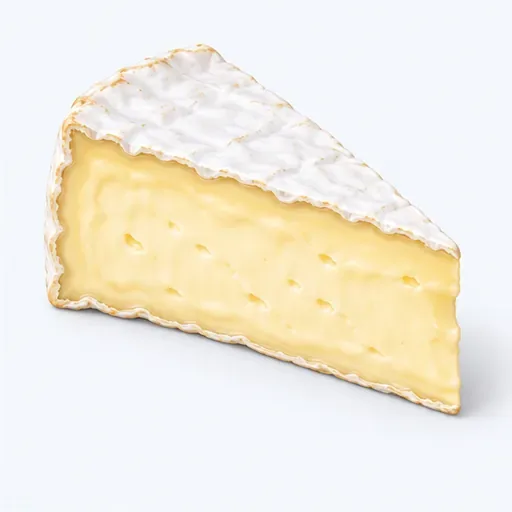
A soft cow’s-milk cheese with a white rind. Ask for it bien fait, ripe, or pas trop fait, still firm.
 le briebrie
 la croûtethe rind
 la baguettebaguette
- From
- Seine-et-Marne, east of Paris.
- With
- A light red, or champagne.
- Cut
- Long thin slices from the centre to the rind, so nobody takes only the middle.
💬« Un morceau de brie bien fait, s’il vous plaît. » A piece of ripe brie, please.
A bit stronger
Camembert de Normandie
un camembert
Smaller and earthier than brie. Sold whole in its wooden box; press the centre gently, it should give.
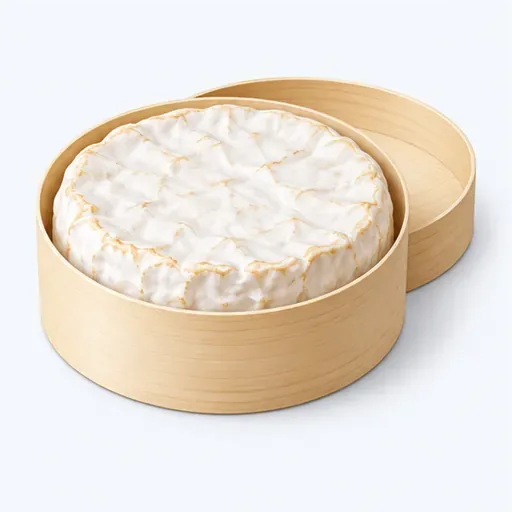 le camembertcamembert
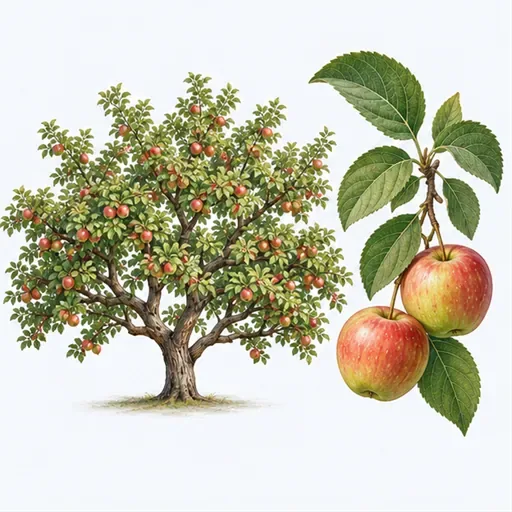 le cidrecider country
- From
- Normandy. Look for camembert de Normandie and au lait cru; plain ‘camembert’ can be made anywhere.
- With
- Dry cider, or a light red.
- Cut
- Like a cake, in wedges.
💬« Il est à point ? » Is it ripe?
Firm and nutty
Comté
du comté
A hard mountain cheese sold by age: 12 mois is fruity, 24 mois is drier with crunchy crystals. Everyone likes it.
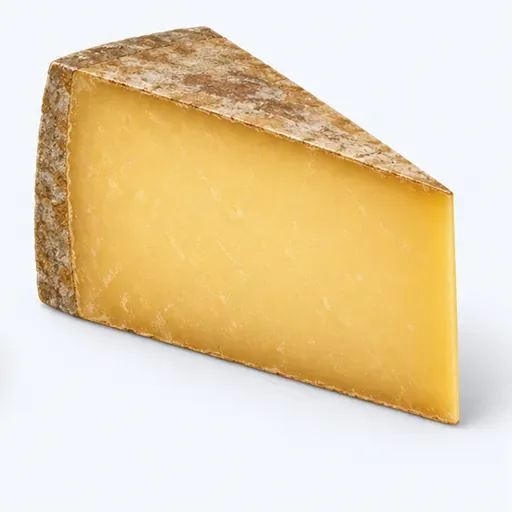 le comtécomté
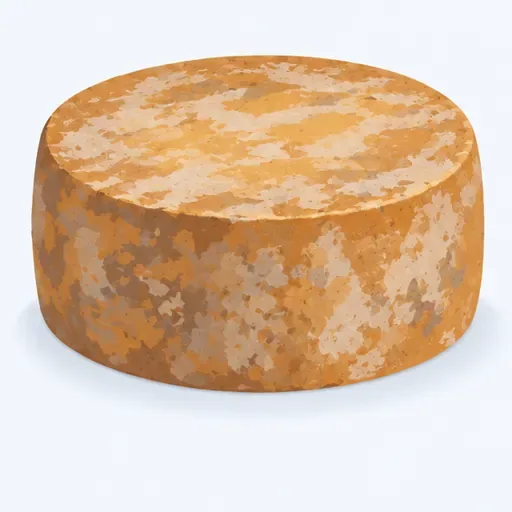 la meulea whole wheel
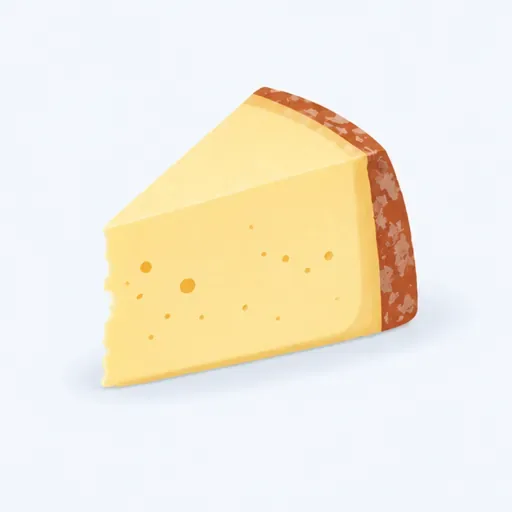 un morceaua piece
- From
- The Jura mountains. A wheel weighs about 40 kilos.
- With
- A dry white from the Jura or Burgundy.
- Cut
- Remove the rind, then cut sticks across the piece.
💬« Vous avez du comté dix-huit mois ? » Do you have eighteen-month comté?
Goat’s cheese
Chèvre
un chèvre
Sold as small logs and discs. Frais is fresh and mild, sec is dry and strong. Good with honey.
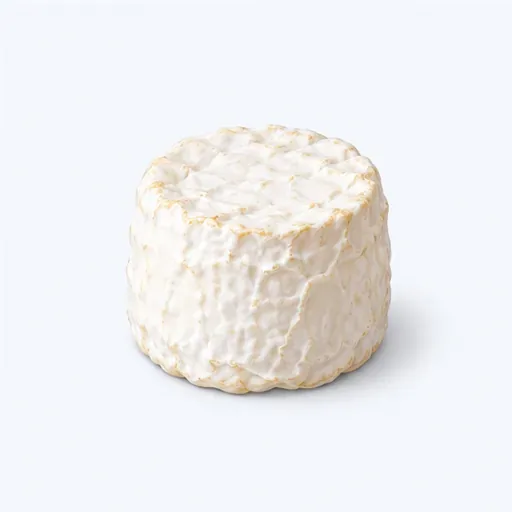 le chèvregoat’s cheese
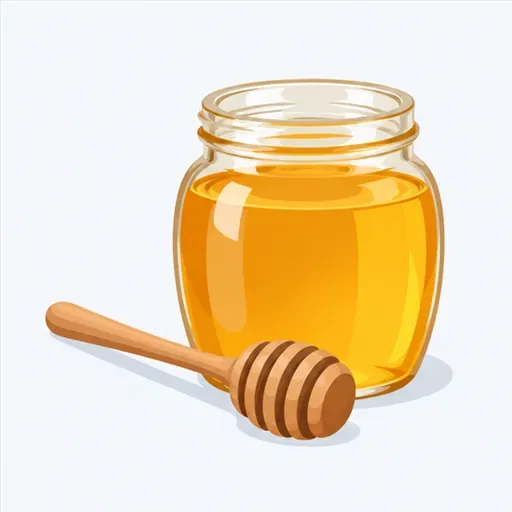 le mielhoney
- From
- The Loire valley above all: crottin de Chavignol, sainte-maure, valençay.
- With
- Sancerre, or any dry white.
- Season
- Best from spring to autumn, when the goats are at pasture.
💬« Un chèvre pas trop sec. » A goat’s cheese that is not too dry.
Blue
Roquefort
du roquefort
Sheep’s milk, salty and strong. Serve it last, with walnuts or a sweet wine.
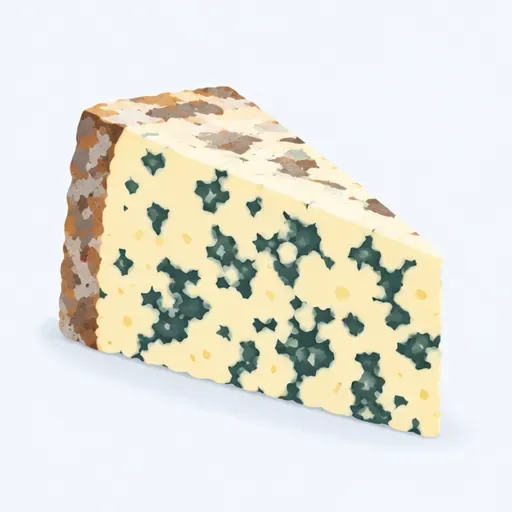 le roquefortroquefort
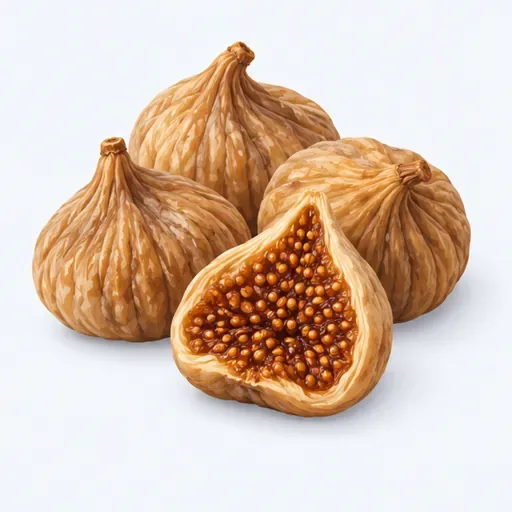 la figue sèchedried fig
- From
- The caves of Roquefort-sur-Soulzon, in Aveyron.
- With
- A sweet white such as Sauternes, or dried figs and walnuts.
- Cut
- In a fan from the centre, so everyone gets blue and white.
💬« Juste une petite tranche de roquefort. » Just a small slice of roquefort.
Not sure: choose for me
Ask the cheesemonger
un plateau pour six personnes
Say Je voudrais un plateau pour six personnes, give a budget, and let le fromager choose. It is the normal thing to do.
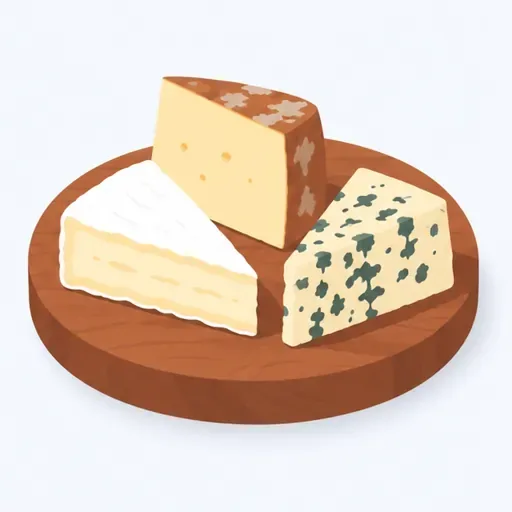 le plateauthe board
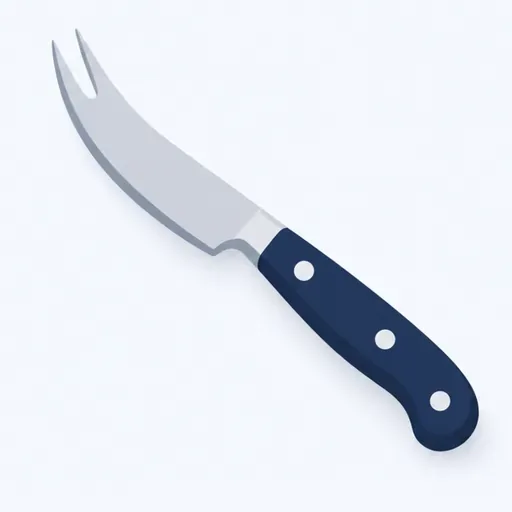 le couteau à fromagecheese knife
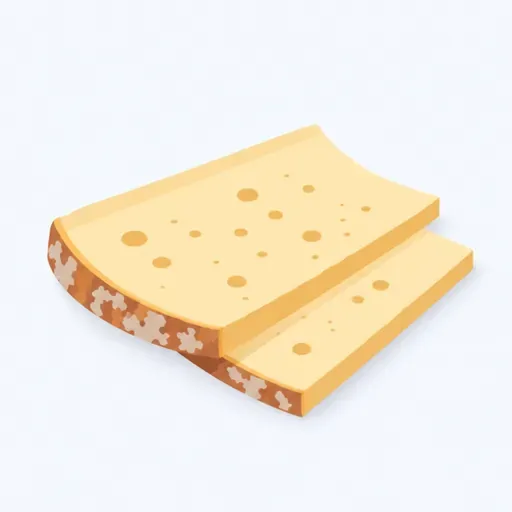 une tranchea slice
- How much
- Five or six hundred grams for six people, after a meal.
- The mix
- One soft, one hard, one goat, one blue, and one local surprise.
- Serving
- Out of the fridge an hour before; a knife for each cheese.
💬« Je vous fais confiance. » I’ll trust your choice.
Serving it the French way
- After the main course
Cheese comes before dessert, with bread, not crackers. Butter is optional and regional.
- Cut so everyone gets rind and heart
A round is cut like a cake. A wedge of brie is cut along its length, never across the tip: taking the tip is called couper le nez.
- Wine
Red is the habit, but white often suits better: try a dry white with goat’s cheese and comté.
- Keeping it
Wrap each cheese in its paper, in the vegetable drawer. Not in cling film.
The six families
The rule of “different families” is easier once you can name them. A board with one from each of three or five of these lines is balanced by construction.
| French | Texture | Examples |
|---|---|---|
| pâte molle à croûte fleurie | Soft, white bloomy rind | brie, camembert, chaource |
| pâte molle à croûte lavée | Soft, orange washed rind, strong smell | époisses, munster, maroilles, pont-l’évêque |
| pâte pressée non cuite | Supple, semi-hard | reblochon, saint-nectaire, cantal, tomme de Savoie |
| pâte pressée cuite | Hard, aged for months | comté, beaufort, emmental |
| pâte persillée | Blue-veined | roquefort, bleu d’Auvergne, fourme d’Ambert |
| chèvre | Goat’s milk, fresh to dry | crottin de Chavignol, sainte-maure, valençay |
How much to buy, worked out
For six people after a meal, count 90 grams each: about 540 grams. That is three pieces of 180 grams, or five of about 110. Buy less if a dessert follows, and half as much again if the board is the meal.
What goes on the table with it
- Bread, not crackers
A baguette or a country loaf. Walnut bread, pain aux noix, with the blue.
- Something fresh
Grapes, a ripe pear, figs, or a few walnuts. One of these, not a display.
- Jam with sheep’s cheese
In the Basque country, ossau-iraty is eaten with black-cherry jam. It works with any firm sheep’s cheese.
- A green salad
Dressed leaves alongside are traditional, and they make the cheese a course of its own.
Do you eat the rind?
- Soft cheeses: yes
The white rind of a camembert and the orange rind of an époisses are part of the cheese.
- Hard cheeses: as you like
The rind of comté or cantal is edible and tough. Most people leave it.
- Wax, cloth and ash coatings
Leave wax and cloth. The grey ash on a goat’s cheese is eaten.
- Au lait cru
Made with raw milk. Most of the great French cheeses are, and the label must say so.
At the counter
| French | English |
|---|---|
| Je voudrais un morceau de comté, s’il vous plaît. | I’d like a piece of comté, please. |
| Comme ça ? Un peu plus ? | Like this? A bit more? |
| C’est pour manger ce soir. | It is to eat tonight. |
| Vous me conseillez quoi avec ça ? | What do you suggest with that? |
| Deux cents grammes environ. | About two hundred grams. |
At the table
Serving and cutting
Serving cheese straight from the fridge
Take it out about an hour before, still wrapped.
Cutting the tip off a wedge for yourself
Cut along the wedge so every piece has some centre and some rind.
Je vous en prie, servez-vous.
Starting with the strongest
Go from mild to strong, ending with the blue.
Crackers and butter with everything
Plain bread. Butter is offered in some regions, not all.
How to cut each shape
- camembertlike a cake, from the centre
- briealong its length, never the tip
- bûche de chèvrein rounds
- pont-l’évêquecorner to corner
- valençayin vertical wedges
What to drink with it
- chèvresancerre
Same valley: goat’s cheese and a sharp white.
- comtévin jaune
Nutty with nutty, both from the Jura.
- roquefortsauternes
Salt against sweet.
- camembertcidre brut
Normandy with Normandy.
How much to ask for
At the cheese or charcuterie counter
- une trancheone slice, about 40 g
- cent grammes100 g: a taste for two
- une demi-livre250 g, an old word still used
- une livre500 g
- un kilo1 kg
Say un peu plus or un peu moins as they cut.