159 pages
Pronunciation & listening
French sounds, liaison and rhythm, and how to hear them.
Vocabulary listA1
French /w/ in oui and jouer: 11 useful words to practise
Meet the /w/ glide in oui, jouer, boire and everyday words. Learn four pictured nouns, compare roue with jouer, then try a short pronunciation check.
Gap-fillB1
La mie or l’amie? Find French word boundaries in context
Complete a short French scene with la mie, l’amie, la pelle and l’appel. Use the sentence to choose between phrases that share a pronunciation.
ReadingB1
Reading French punctuation aloud: follow the meaning
Read a short French moving-day scene, identify commas, a colon and a question, then practise phrasing with glosses, a checklist and four questions.
ArticleA2
French r and l: hear the difference in lit and rit
Compare French l and r with lit/rit and roue/loup. Keep the vowel steady, try the sounds in a bedroom scene and check four short contrasts.
Cheat sheetA2
M before b and p in French: lampe, temps and simple
A practical spelling sheet for am, em, im and om. See which nasal vowel each spelling gives, keep the consonants you hear, and remember bonbon.
QuizB1
Rising intonation in French: question, check or continuation?
A rise can ask for information, check a surprising detail or keep a turn open. Read four exchanges, then choose what the speaker is doing in eight questions.
Practical guideB1
Plan a French dictation: check sounds, grammar and spelling separately
Plan a short dictation with matching audio and text. Use parlé, parler and parlez to check grammar, and separate time values from spelling choices.
Verb drillA2
Follow French instructions: what do you do first?
Practise French instructions with d’abord, puis, avant de and si. Sort the actions, keep conditions attached and check the order in a short drill.
PhrasebookB2
When French speakers talk over each other: phrases to keep the thread
Practise French phrases for overlapping conversation: let a speaker finish, catch a correction, ask for one voice at a time and confirm the final detail.
DialogueA2
French list intonation: let your listener know when you’ve finished
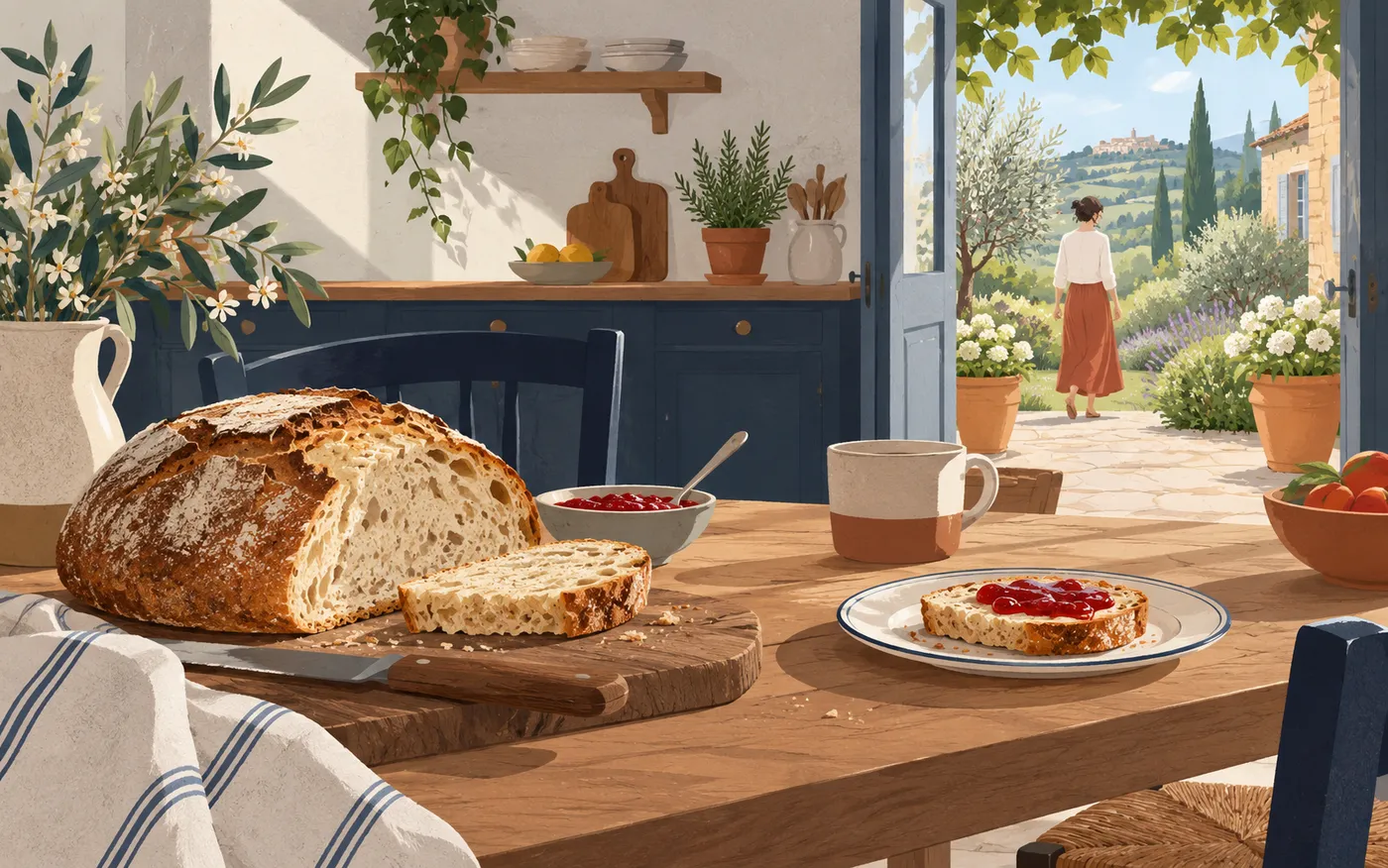
Read a breakfast-planning dialogue, keep each food phrase together, and practise signalling an open or finished list with picture cards and three questions.
Common mistakesA1
French s and z: poisson, poison, coussin and cousin
Keep fish apart from poison and a cushion apart from a cousin. Compare s and z, learn the common s/ss spelling pattern and try four checks.
Vocabulary listA2
French gn words: montagne, agneau and six everyday examples
Learn the French gn sound /ɲ/ with eight useful words, example sentences and picture cards. Compare a nasal consonant with a nasal vowel and check gnome.
Gap-fillA2
De, du or des? Follow the small words in a French café order
Compare the vowels in de, du and des, then fill eight gaps in a café scene. Use quantity, negation and liaison clues to follow connected speech.
ReadingB1
Prepare a French passage for reading aloud: a worked example
Prepare a short dinner passage for reading aloud: understand the message, mark phrase groups, check silent endings and practise key connections.
ArticleA2
French h muet and h aspiré: l’homme, le héros and les haricots
See why French uses l’homme but le héros. Compare elision and liaison, learn h words with their articles, and test four everyday examples.
Cheat sheetA2
Why French sounds fast: word links and shorter spoken forms
See how French word links, elision and everyday negatives change familiar written phrases. A compact reference with examples and four practice questions.
QuizA2
French yes–no question intonation: eight checks on form and meaning
Practise French yes–no questions through eight questions on everyday exchanges, rising pitch, est-ce que, inversion and checking a changed plan.
Practical guideA2
Mark French rhythm groups by meaning: a short reading workshop
Group a French daily routine into meaningful phrases, keep short words with their partners, and compare neutral phrasing with a correction. Includes a quiz.
Verb drillB1
Je ne sais pas, j’sais pas and chais pas: hear it, then write it
Recognise three casual versions of je ne sais pas, follow what the speaker is unsure about, then restore four sentences to standard written French.
PhrasebookA2
French phrase stress: café phrases with clear group endings
Practise French phrase stress through café requests. Follow the last full syllable as a phrase grows, then try the lines with their English hidden.
DialogueA2
Il y a or y a? Follow a conversation about a new flat
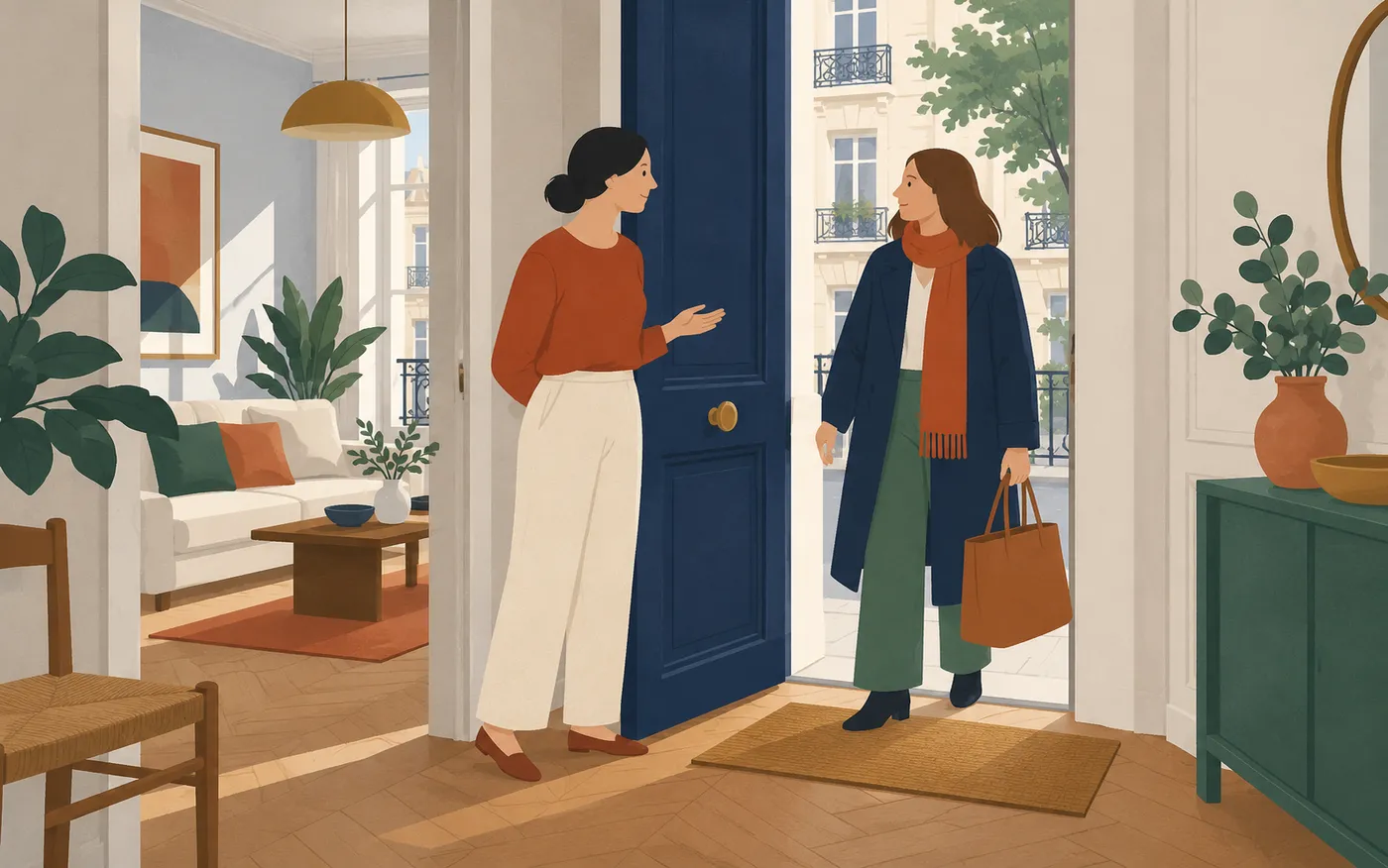
Recognise casual y a as il y a in a conversation about a flat. Practise questions, negatives and “two days ago”, with a picture scene to explore.
Common mistakesA2
Fille or ville? Five French ill pronunciation traps
Keep fille /fij/ and ville /vil/ apart. Work through five spelling traps, compare mille and tranquille, and test the endings in bouteille and travail.
Vocabulary listA2
French final c: sac and lac have /k/, blanc and tabac do not
Sort common French words with final c into pronounced /k/ and silent endings. Learn picture words, compare blanc/blanche and try four questions.
Gap-fillA2
French -er, -é and -ez: choose the spelling in a gap-fill
Parler, parlé and parlez share /e/. Use the sentence to choose infinitives, past participles and vous forms in an eight-gap French story.
ArticleA2
French schwa: the vowel that can disappear in le, de and petit
See where French schwa appears in le, de and petit. Compare clear and compact forms, then check which written e can lose its syllable.
Cheat sheetA1
French final consonants: what to say and what to leave silent
A practical French final-consonant sheet: silent endings, pronounced c, r, f and l, useful exceptions, feminine forms and liaison, with picture practice.
QuizA2
Neuf pronunciation: /f/ in neuf livres, /v/ in neuf ans
Practise neuf in eight questions about books, ages, times and new objects. Learn the familiar /v/ in neuf ans and neuf heures while keeping /f/ elsewhere.
Practical guideA2
Plan a short French listening session around one question
Use a café order to plan a focused French listening session: set one question, replay the useful turn, check the transcript and keep a clear result.
Verb drillA1
French alphabet drill: spell names aloud
Practise the French alphabet by spelling names aloud: the tricky letters G, J, E, I, U, R, W and Y, plus accents and double letters. Typed answers with checking.
PhrasebookA2
French voicemail: hear the caller, the reason and the next step
Read three French voicemail messages and prepare a reply. Spot a missing document, a changed appointment and a callback window, then check the details.
DialogueB1
Who said what? Follow the turns in a French conversation
Follow three people arranging a meeting. Track a preference, a reported message, a changed proposal and the final decision, then practise the organiser’s lines.
Common mistakesB1
Je suis, j’suis and chuis: recognise the same French phrase
See how je suis becomes j’suis or chuis in casual French. Compare sounds and spellings, keep the full meaning, and practise choosing standard written forms.
ArticleA1
French m and n: close your lips for m, use your tongue for n
Find the difference between French m and n in ma mère, notre and nom. Compare nasal consonants with nasal vowels, then check the sounds in familiar words.
Cheat sheetA1
Silent -ent in French verbs: parlent, aiment and prennent
Keep the third-person plural verb ending silent in parlent and aiment. Compare verb stems, singular and plural forms, then try three quick checks.
QuizA1
French qu pronunciation: /k/ in qui, /kw/ in aquarium
Read common French qu words with /k/, keep the u silent in qui and quatre, and remember aquarium. Eight questions and four picture cards.
Practical guideA2
French glides: practise /j/, /w/ and /ɥ/ in short phrases
Practise French glides with three phrase ladders, a lui/Louis comparison, picture prompts and questions on syllables and sound symbols.