539 pages
Words & expressions
Find the word you actually mean, from everyday nouns to near-synonyms and idioms.
ArticleA2
Question or problème? Asking, discussing and reporting a difficulty
Learn when French uses une question or un problème, with service-desk exchanges, useful verb patterns and four questions to check your choices.
Common mistakesB1
French false friends, part two: prévenir, achever, lecture and more
Learn 12 more French false friends with examples and the English meaning you need: prévenir, achever, la lecture, un stage, un délai and more.
FlashcardsA2
French car body vocabulary: 20 exterior parts in picture cards
Name twenty exterior car parts in French, plus four extra details. Practise 24 flashcards, compare windows and lights, and locate damage from French clues.
Cheat sheetB1
Durable or renouvelable? A French guide to lasting, sustainable and renewable
Read durable and renouvelable in environmental texts and everyday phrases. Use a five-rule reference sheet, picture cards and a four-question quiz.
PhrasebookA2
French environmental phrases: sort waste, save water, make a plan
Use French phrases for sorting waste, saving water and organising a greener shared space. Practise short exchanges, concrete objects and action verbs.
Gap-fillA2
Ajouter or compléter? Fill the gaps in a French message exchange
Add a detail or fill a gap? Follow a French workshop registration, practise ajoute and complète, and see why extra information can leave an answer incomplete.
DialogueB1
Enregistrer or sauvegarder: a French dialogue about saving files
Save a document, record your voice and make a backup in French. Practise a twelve-line dialogue, learn the equipment and check the three actions.
Verb drillB1
Interdire or empêcher: forbid an action or stop it happening
Use interdire à quelqu’un de and empêcher quelqu’un de correctly. Compare a rule with an obstacle, then practise the sentence patterns and present forms.
QuizA2
Noter or remarquer? Ten questions on recording and noticing
Test writing down, noticing, pointing out and grading in French. Ten contextual questions explain noter, remarquer and their useful overlap.
ReadingA2
Journal or magazine: a newspaper, a diary or the TV news?
Read a short French scene with a newspaper, a travel magazine, a diary and the TV news. Practise journaux and avoid the magazine/magasin spelling trap.
Practical guideA2
Describe an object in French: colour, material and condition
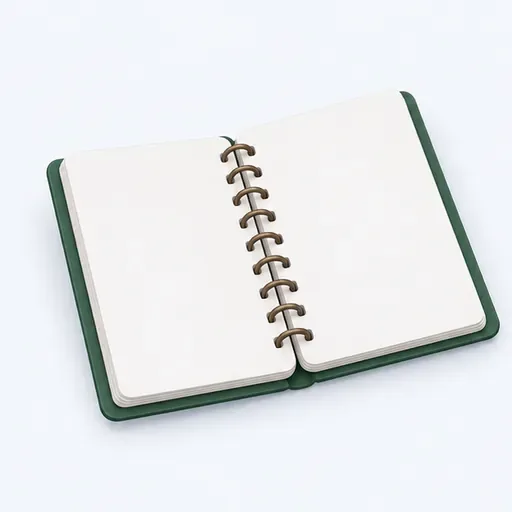
Describe a lost bag, a notebook or a second-hand table in French. Use a practical checklist, illustrated examples and three questions.
Matching gameA2
Faire du or jouer au? Match sports to the right verb
Jouer au tennis but faire du vélo: match twelve sports and activities to their French phrases, and learn when French uses jouer à, faire de and pratiquer.
Sorting gameA1
Past, present or future? Sort French time expressions
Hier, en ce moment, demain, la semaine dernière, l'année prochaine: sort sixteen French time expressions by whether they point to the past, present or future.
Word scaleB1
How fast? French movement from flâner to foncer
Flâner, se balader, marcher, se dépêcher, courir, foncer: climb seven French verbs of moving from strolling to racing, with the art of the flâneur.
Vocabulary listA2
French event vocabulary: read the programme and find your role
Read lecture, conférence, assister à and participer à in a neighbourhood programme. Learn event words with pictures and choose the right activity.
Picture sceneA2
French car workshop vocabulary: explore the repair bay
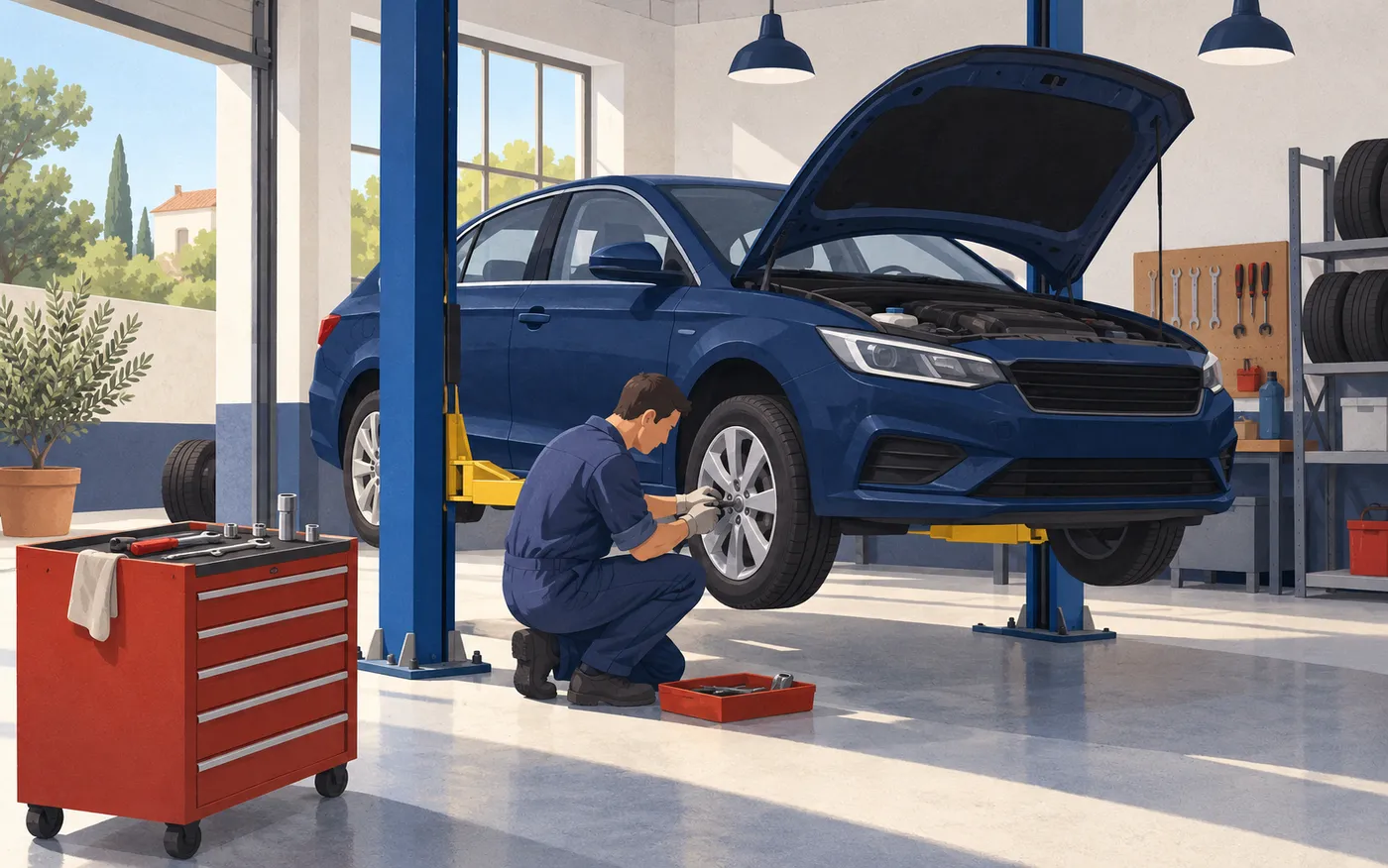
Locate twelve workshop tools, machines, vehicle parts and safety objects in French, then follow a mechanic’s short explanation.
ArticleA2
What does ça marche mean in French?
Understand how this everyday expression signals agreement, acknowledges a request or describes something that works.
Common mistakesA2
Introduire or présenter? Introducing someone in French
To introduce a person in French, use présenter: je te présente Marc. Introduire means to insert or bring in. See the difference with examples and corrections.
FlashcardsA2
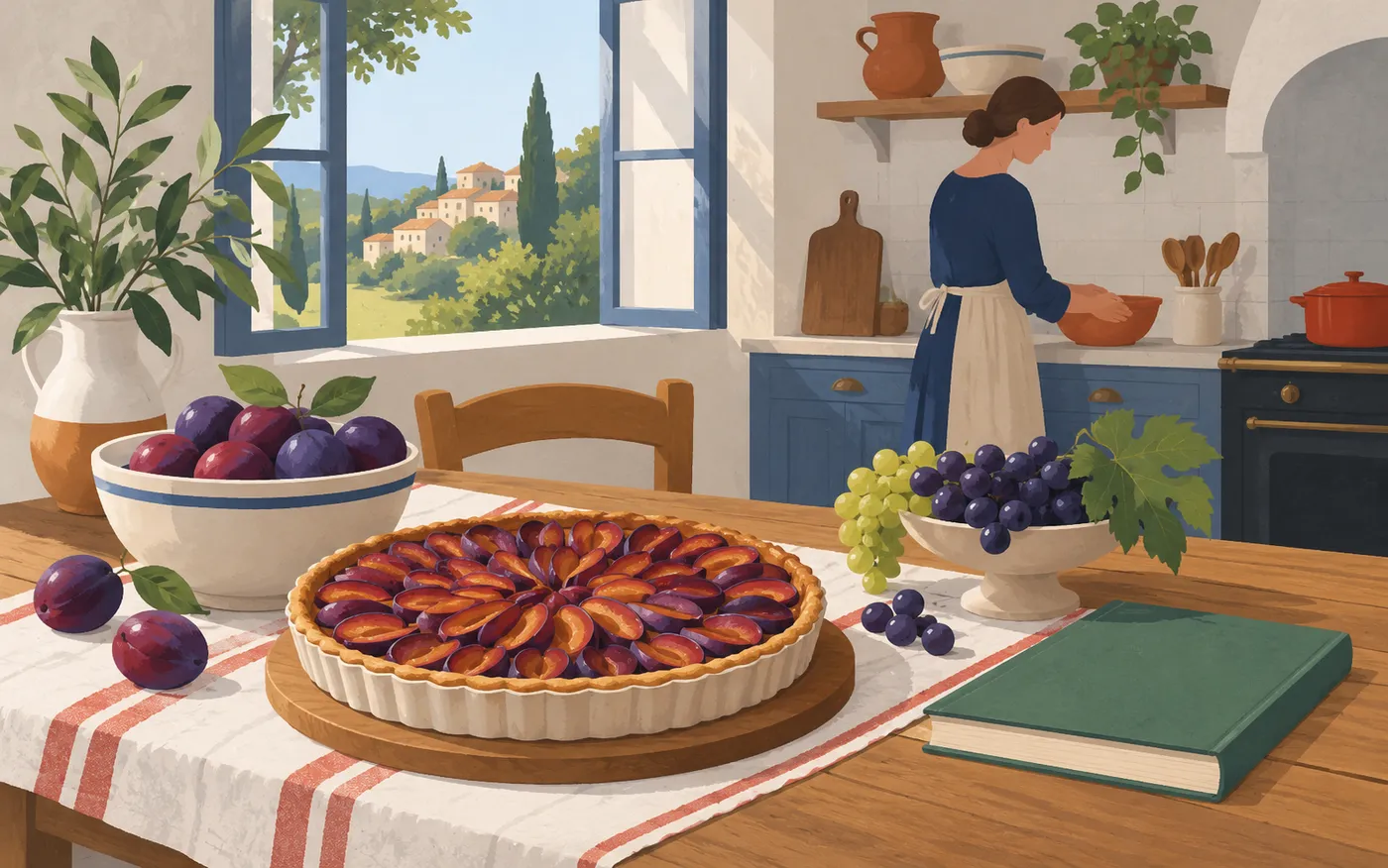
French tree vocabulary: recognise 20 trees by leaves and fruit
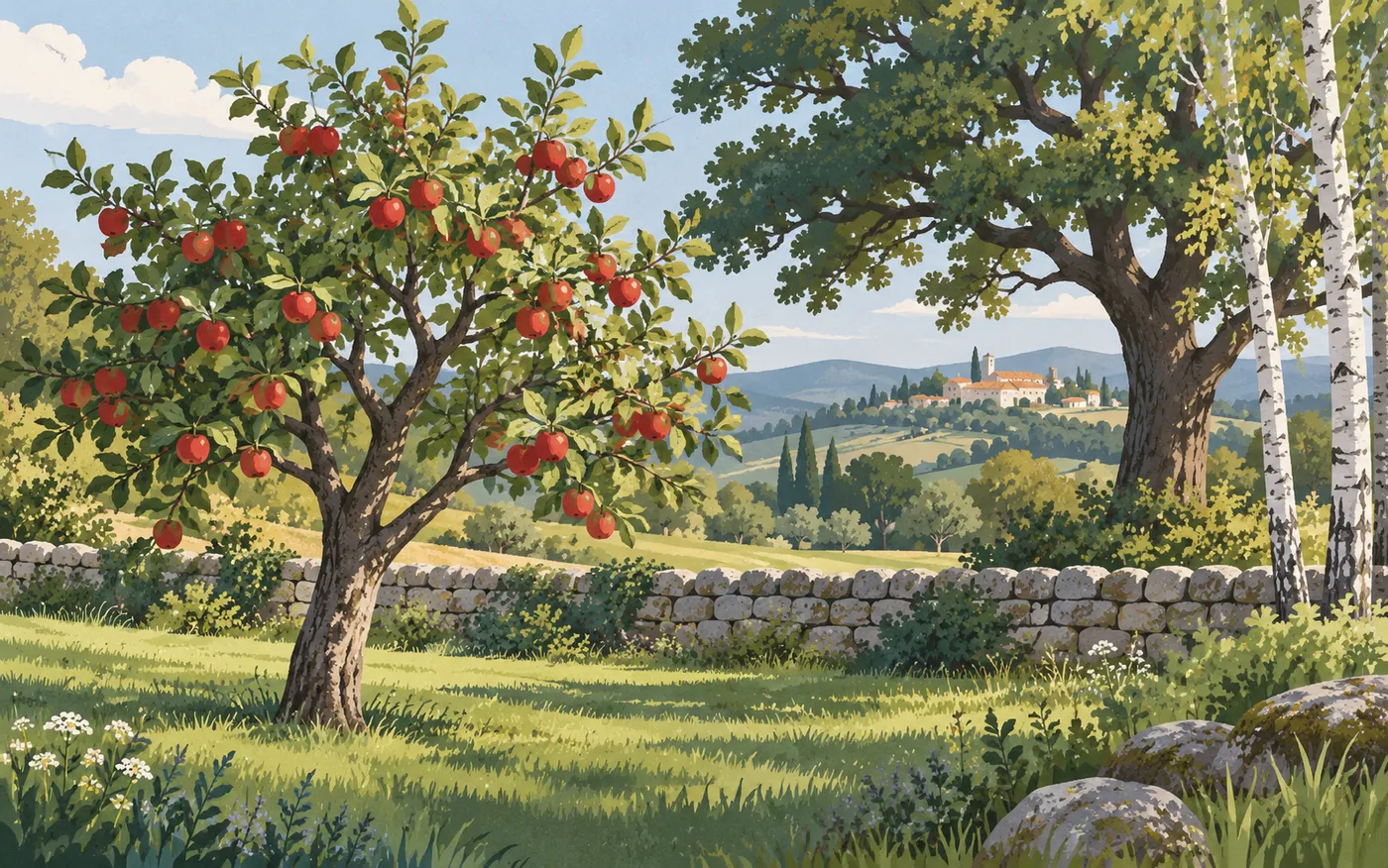
Learn twenty French tree names and four useful tree-part words in 24 flashcards, with leaf, fruit and whole-tree pictures and a visual-clue quiz.
Cheat sheetA2
French metric units: length, weight, volume and everyday sizes
Kilomètre, mètre, centimètre, kilo, gramme, litre, centilitre: the French names, abbreviations and how to use them in shops, recipes and directions.
PhrasebookA2
Information or renseignement: what to say when asking for details
Ask for opening times, documents and course details in French. Practise information and renseignement with short exchanges and useful enquiry patterns.
Gap-fillA2
Attendre or espérer? A gap-fill story about waiting and hoping
Wait for a bus, hope for a seat and expect a delay. Fill eight gaps in a French journey using attendre, espérer and s’attendre à, with a translation.
DialogueA2
Ami, copain or connaissance? Introduce the people you know
Practise a French conversation about friends and acquaintances. Compare ami, copain and connaissance, including mon amie and the boyfriend meaning of copain.
Verb drillA2
French change verbs: a before-and-after sentence drill
Choose changer, remplacer, échanger, agrandir or améliorer from clear before-and-after scenes. Study the patterns, then complete eight French sentences.
QuizB2
French paronym quiz: collision, collusion and other lookalike words
Choose between collision and collusion, allocation and allocution, conjecture and conjoncture in twelve French contexts with precise explanations.
ReadingB1
Article or reportage? Read a reporter’s morning at a workshop
A short French reading shows how an article can also be a reportage. Explore media vocabulary, glossed phrases and four comprehension questions.
Practical guideA2
How to revise French vocabulary without only rereading lists
Revise French vocabulary without only rereading lists: turn words into recall prompts, useful phrases and a short routine.
Matching gameA1
Household appliances in French: match the machine to the chore
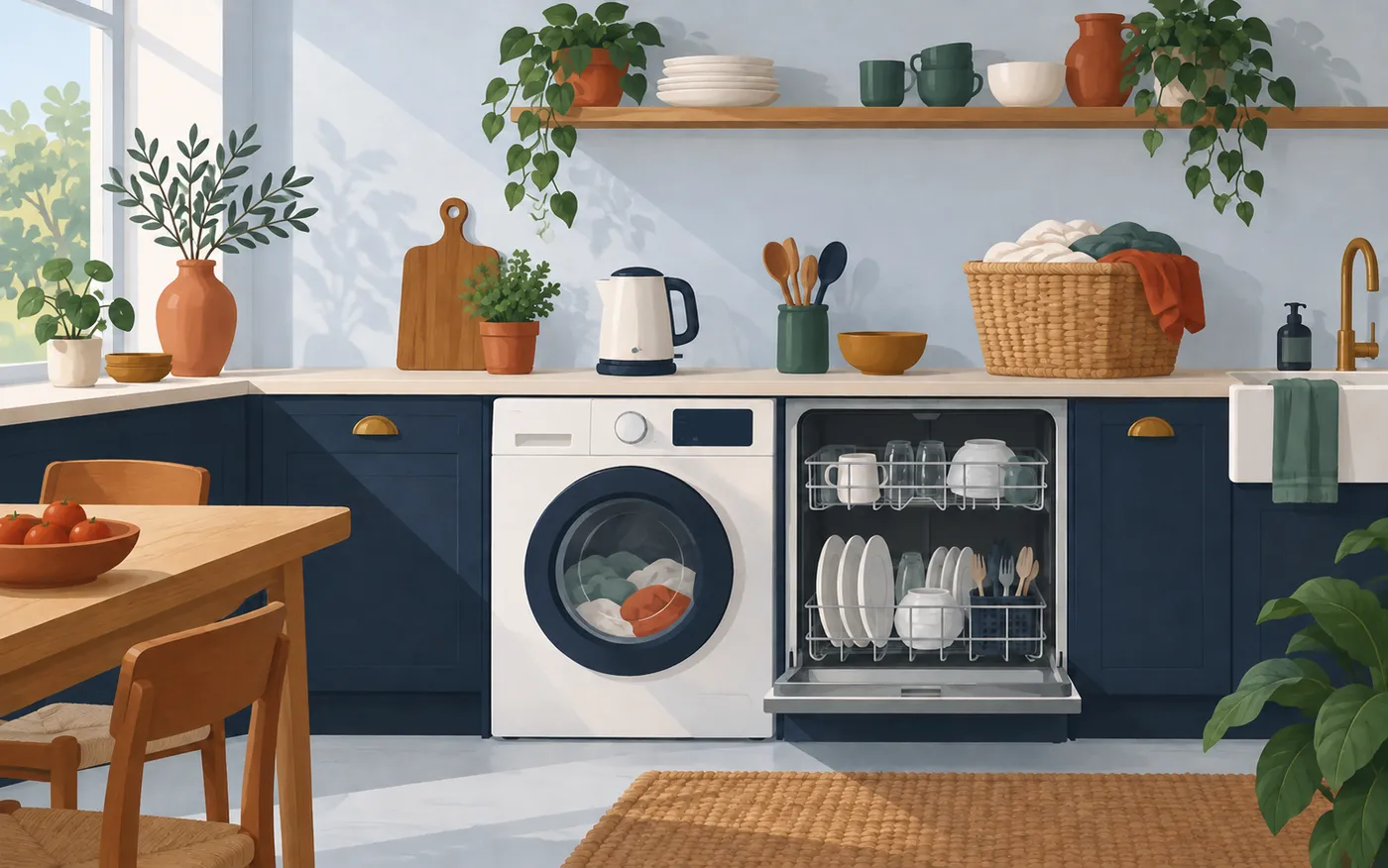
Le lave-linge, le lave-vaisselle, le four, l'aspirateur, le fer à repasser: match ten appliances to the chore they do, and learn the verbs.
Vocabulary listA2
French mushroom vocabulary: 12 names with picture cards
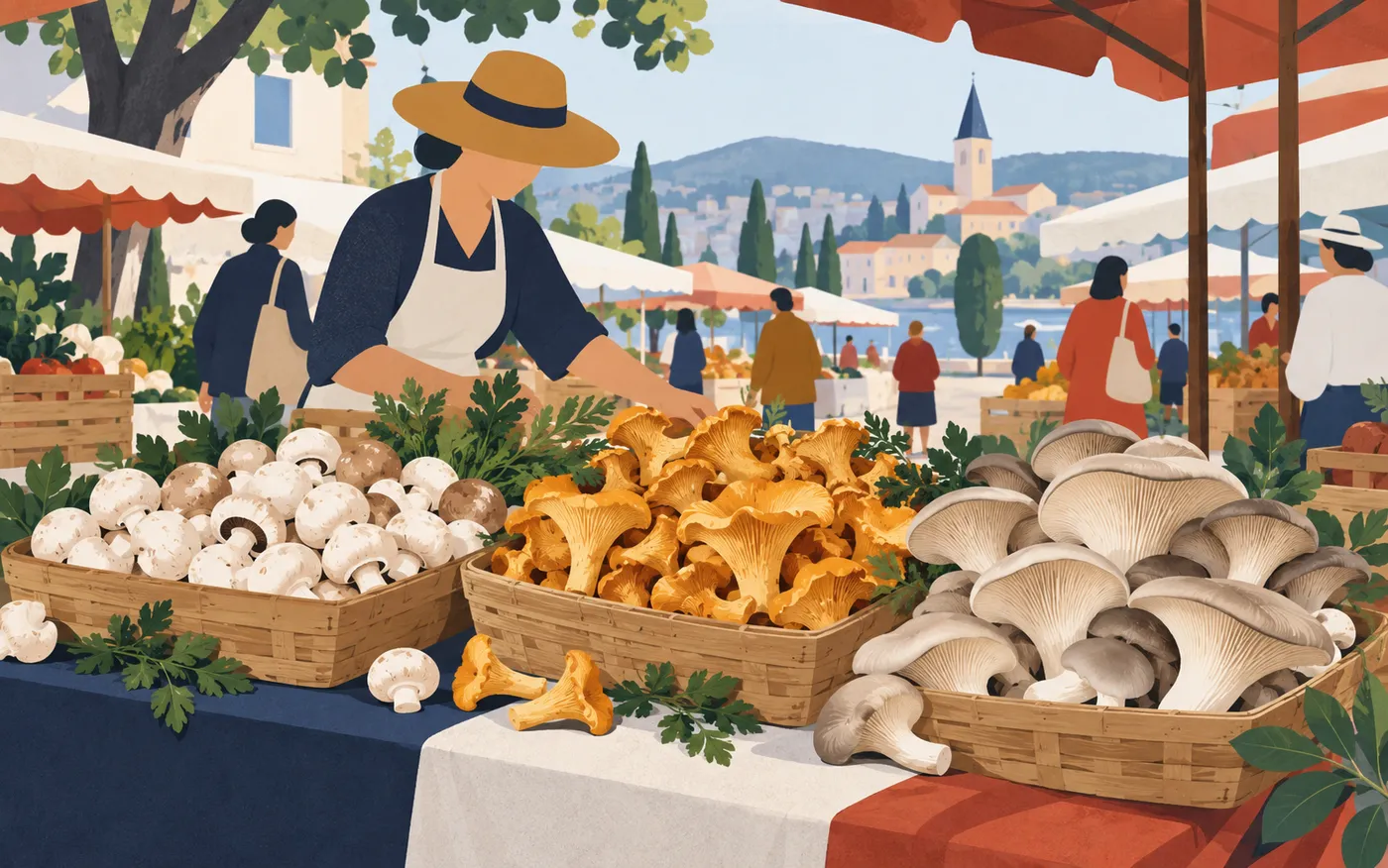
Learn twelve French mushroom names from market examples and distinctive picture cards, then match caps, stems and shapes to the right labels.
Picture sceneA2
Serviette or torchon? Find the towel, napkin and tea towel
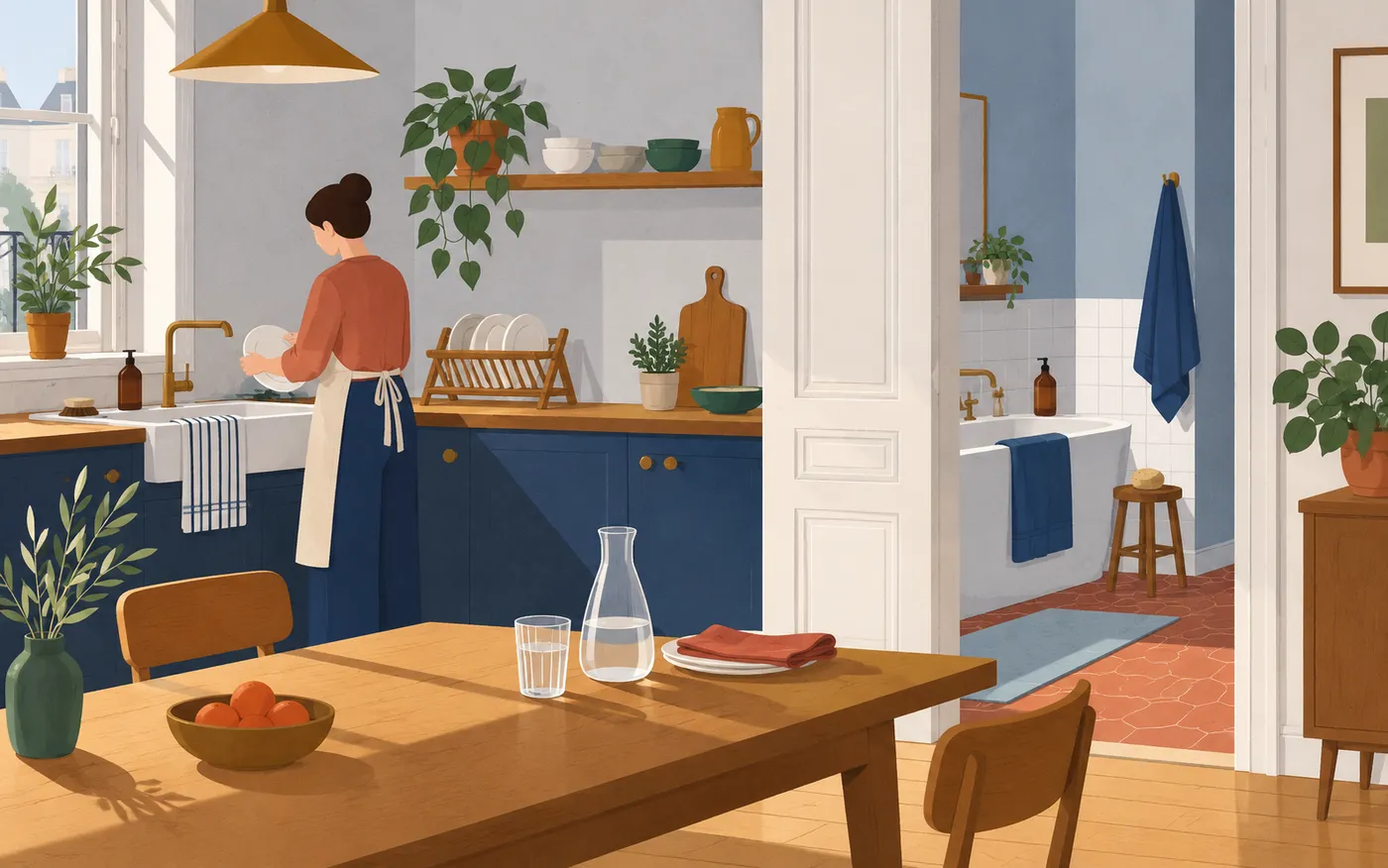
Explore a flat to find a bath towel, table napkins and a tea towel. Learn une serviette de bain, une serviette de table and un torchon with examples.
ArticleB1
Sujet or thème: the topic of a discussion and the theme of a story
Compare sujet and thème through a neighbourhood report, a short story and fixed expressions. See where both words fit and test four useful distinctions.
Common mistakesA2
Recette is not a receipt: shopping and cooking false friends
Une recette is a recipe; a receipt is un ticket de caisse or un reçu. Learn the false friends you meet when shopping and cooking, with examples.
FlashcardsA1
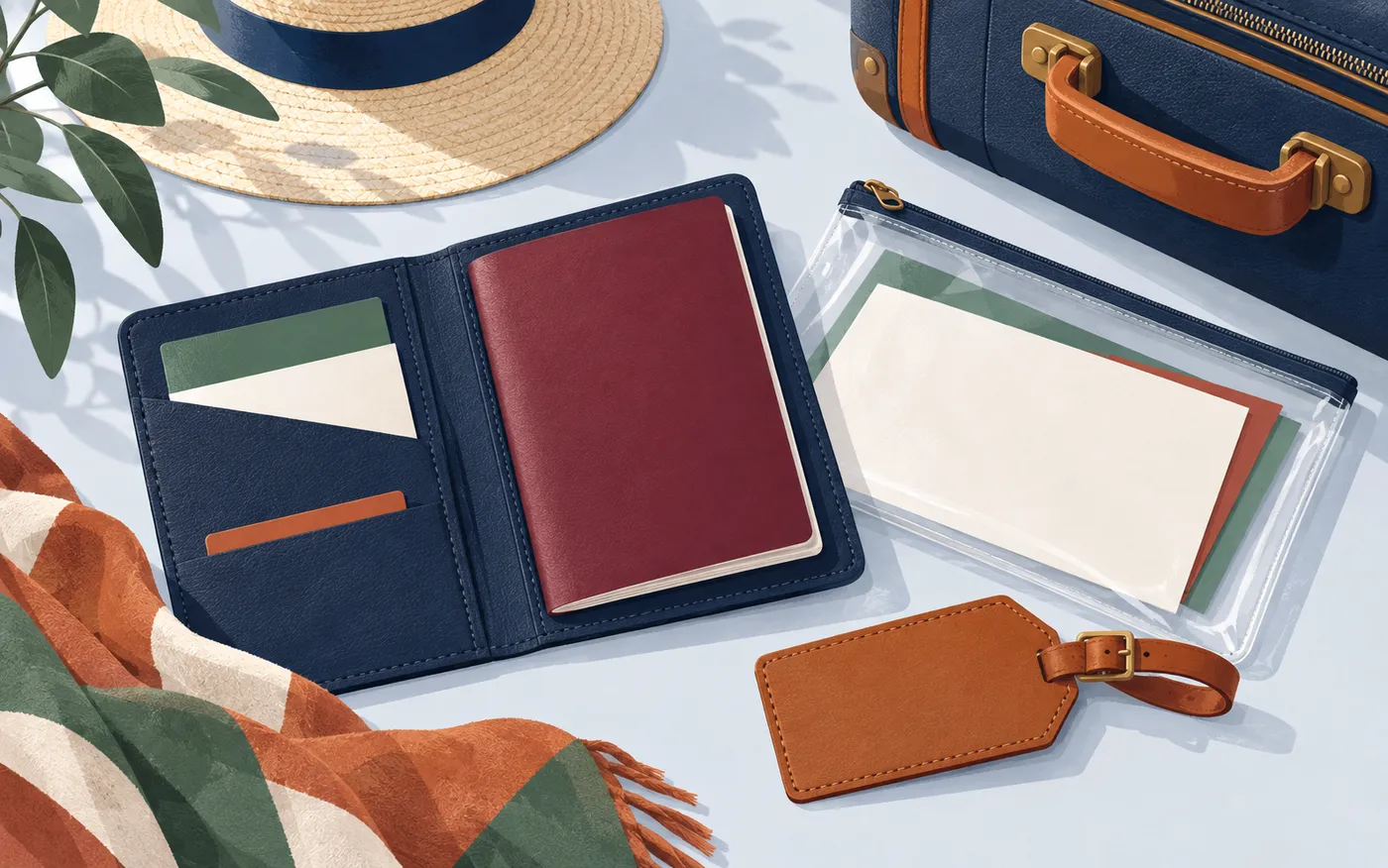
French travel documents: 24 flashcards for your packing checklist
Recognise twenty French travel documents and holders, plus four packing extras. Practise with 24 flashcards, picture cards and a French checklist quiz.
Cheat sheetA2
Retourner, revenir, rentrer: a French “back” cheat sheet
Choose revenir, retourner or rentrer from the destination and viewpoint. Compare six past-tense examples and check yourself with four questions.
PhrasebookB1
Inquiet, nerveux or stressé: say how you feel and why
Say you are worried, nervous or stressed in French. Compare everyday exchanges, check feminine and plural forms, and practise naming the cause.
Gap-fillA2
Forêt or bois: a walk in the woods and a wooden bench
Practise forêt, bois and en bois in a short gap-fill story. Picture cards and examples separate a forest, a small wood and wood as a material.